Cart
0
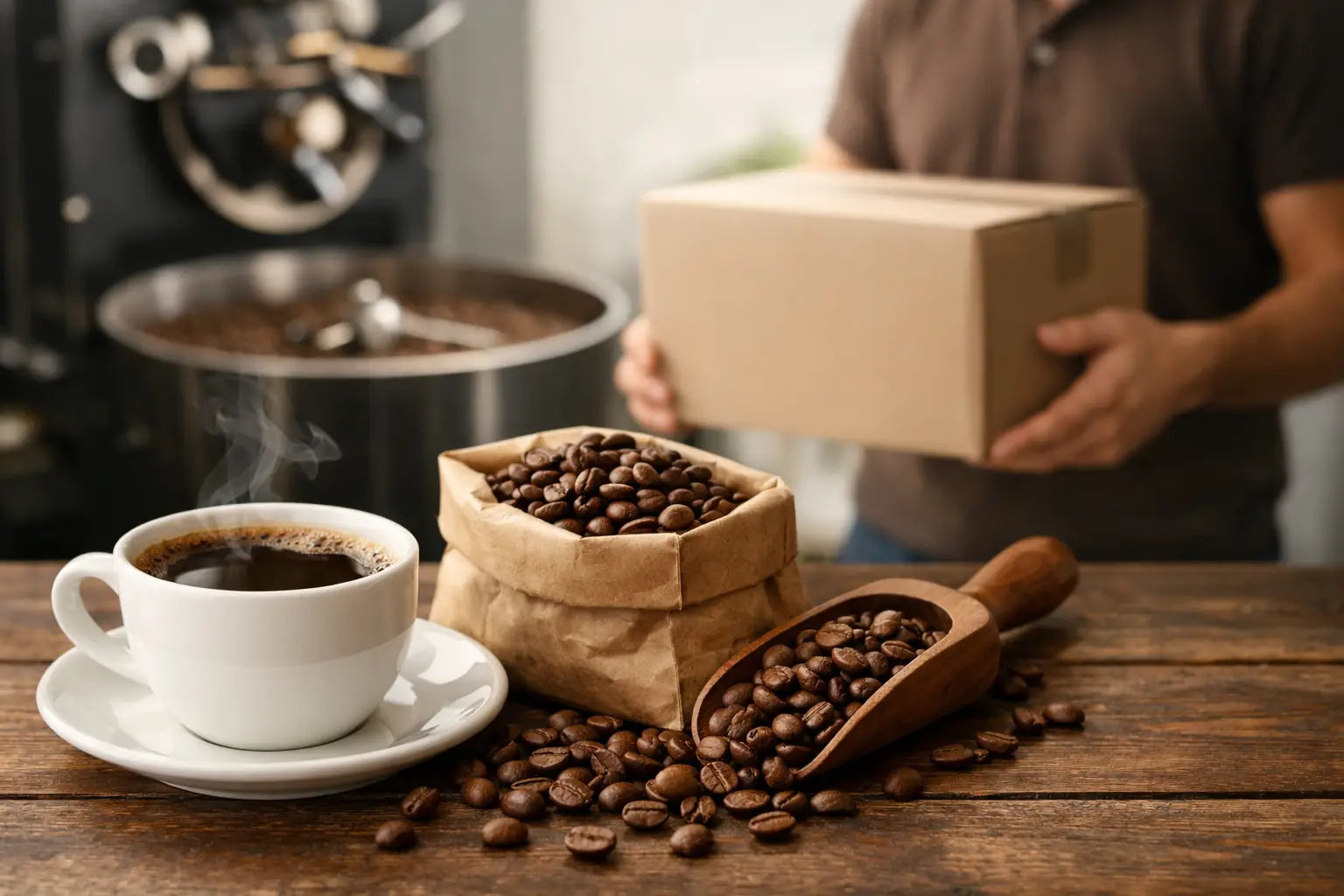
That dull, bitter cup from a bag that has been sitting on a grocery shelf for months is not what coffee is supposed to taste like. Fresh roasted coffee delivery puts a better daily brew within reach: beans roasted with care, packed close to roast day, and shipped directly to your door. The difference shows up before the first sip. Your kitchen smells richer, your grounds bloom with life, and your cup tastes clean, bright, and smooth.
For people who take their coffee seriously - and for people who simply want a dependable cup without the harsh edge - freshness is not a luxury. It is the starting point.
Why Fresh Roasted Coffee Delivery Changes the Cup
Coffee is an agricultural product, not a shelf-stable flavor powder. Once beans are roasted, they begin releasing carbon dioxide and gradually losing the aromatic compounds that create their flavor and fragrance. That process is natural, but it means time matters.
A bag may look premium on a store shelf, yet its roast date can be far behind it. By the time it reaches your cart, the coffee may have traveled through warehouses, distribution centers, and stockrooms. The result can be a flat cup that needs cream, sugar, or extra-dark roasting to cover up what is missing.
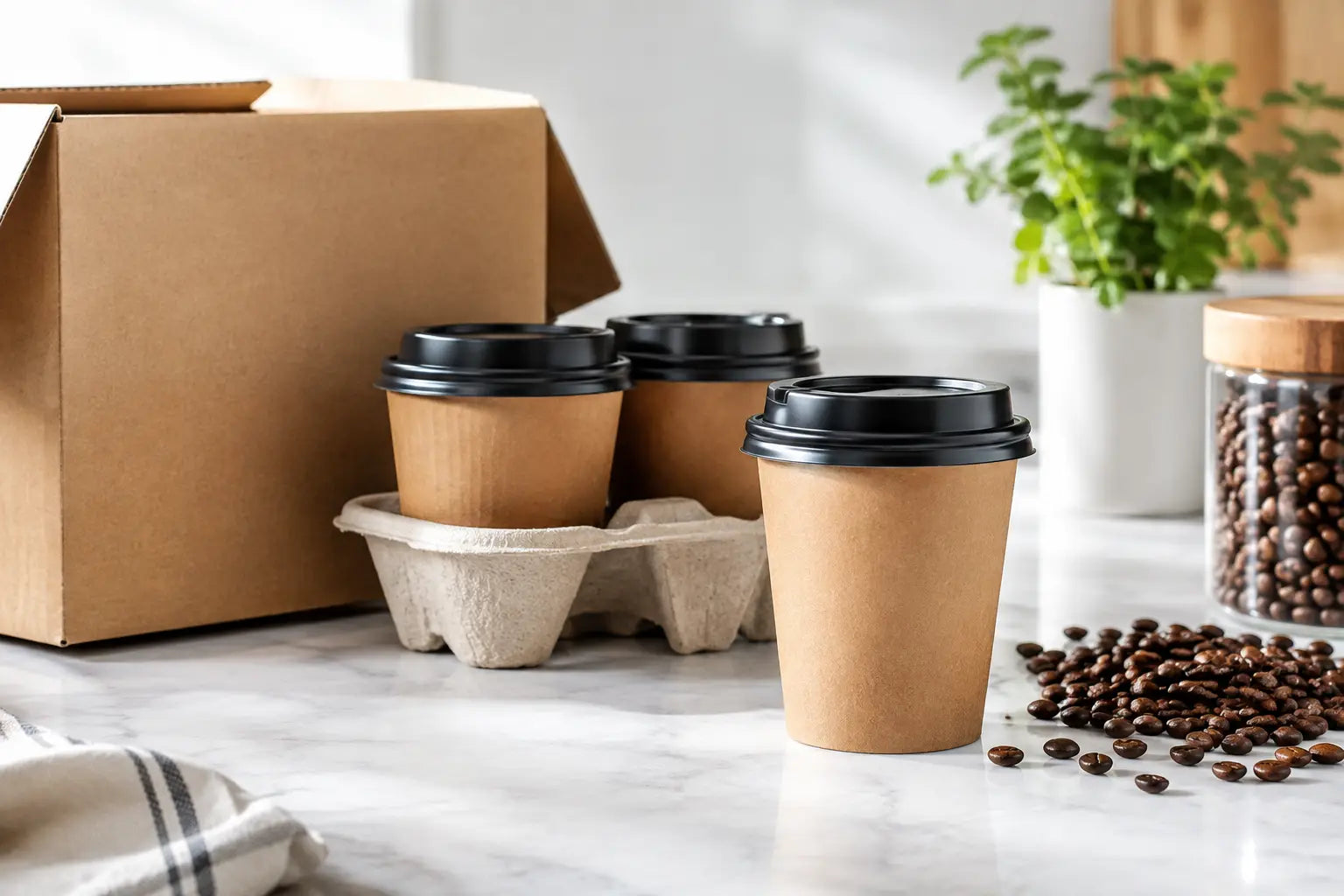
Roast-to-order coffee follows a different path. Beans are roasted in small batches, allowed the proper time to settle, packed, and shipped to the customer. You get coffee at a point when it can still deliver the character the roaster intended: clear flavor, natural sweetness, and a satisfying finish rather than lingering bitterness.
Freshness does not mean coffee should be brewed the second it leaves the roaster. Most coffees benefit from a brief resting period after roasting as gases escape and flavors stabilize. For many bags, that sweet spot begins a few days after roast day and can continue for several weeks when stored well. The advantage of delivery is that you start with time on your side instead of trying to revive a stale bag.
The Roast Matters as Much as the Delivery
Fast shipping alone cannot rescue poorly roasted coffee. The bean needs to be developed with precision so its best qualities make it into your mug.
At House of Franks Coffee, precision fluid-bed roasting uses a powerful stream of clean hot air to create what we call a coffee tornado. Beans move continuously in that air, helping them roast evenly while chaff is separated away. That matters because an even roast supports a clearer, more consistent flavor from cup to cup.
The goal is not to make every coffee dark or smoky. It is to bring forward what is already in the bean. A medium roast can offer balanced richness and a clean finish. A breakfast blend can bring lively, easygoing flavor to the first cup of the day. A French roast can deliver deeper body without turning every sip into char. The right roast profile depends on your preference, but no bitterness should be the baseline promise.
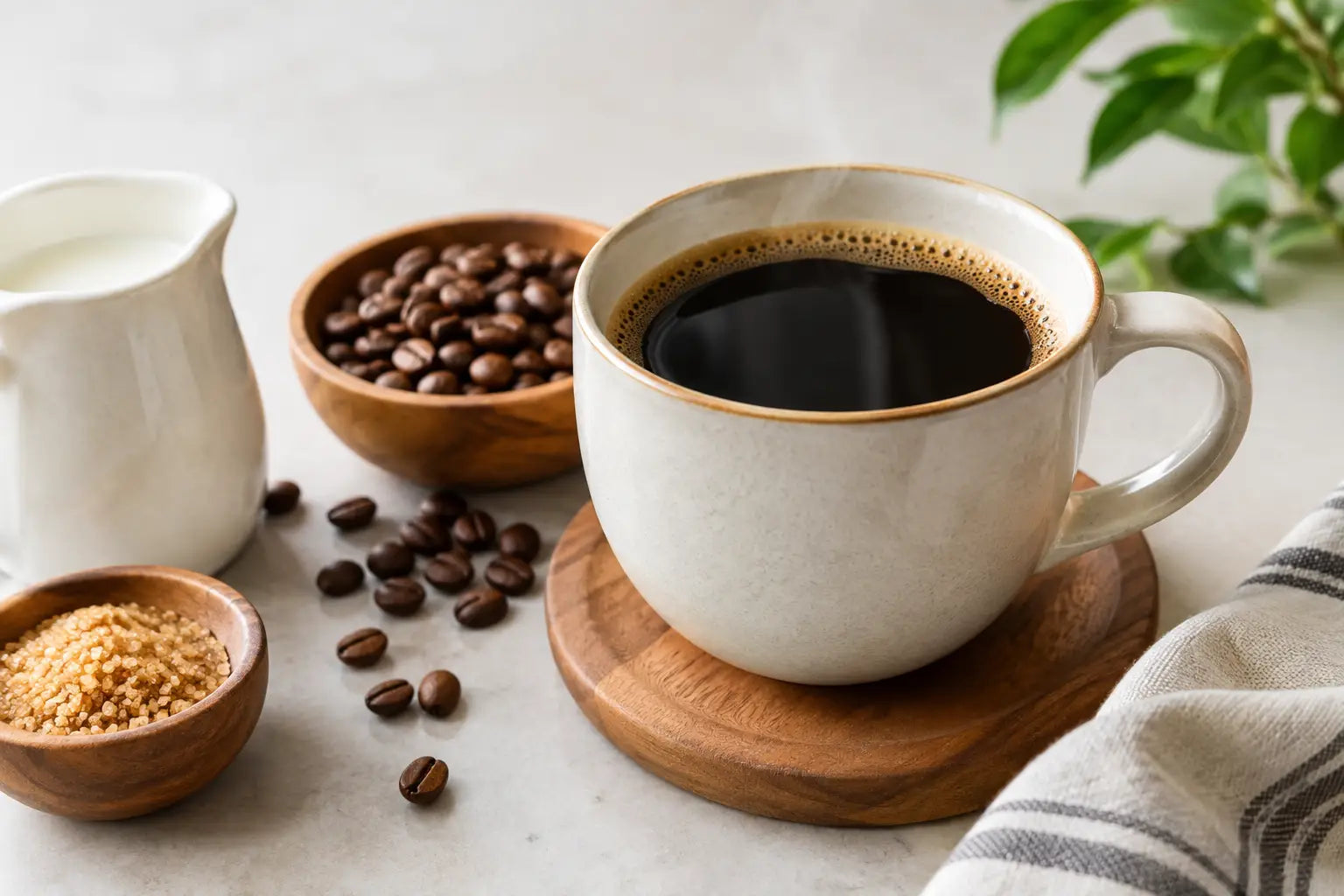
Fluid-bed air roasting is especially valuable for drinkers who are tired of coffee that tastes scorched, muddy, or heavy. Clean hot air helps create the bright, smooth, pure flavor that makes black coffee more enjoyable and lets milk or cream complement the cup instead of hiding it.
Fresh Roasted Coffee Delivery Starts With Better Beans
Freshness has a limit. If the green coffee was not selected carefully, roasting it yesterday will not make it exceptional. Quality begins with specialty-grade beans and sourcing standards that respect both the coffee and the people who drink it.
Choosing 100% USDA Certified Organic coffee means choosing beans grown without the routine use of synthetic pesticides and fertilizers. For many households, that is a practical part of buying food and beverages with greater intention. It is also a signal that the coffee behind your morning routine was held to a defined standard.
Organic coffee is not automatically better tasting simply because it is organic. Processing, origin, roast quality, and freshness still matter. But when organic sourcing is paired with thoughtful small-batch roasting, the result can be a cup that aligns flavor with the values behind the purchase.
That balance is worth looking for. You should not have to choose between coffee that tastes great and coffee that reflects your commitment to responsible sourcing and environmental stewardship.
Choose Your Format Without Giving Up Freshness
Whole bean coffee gives you the most control. Grind immediately before brewing, and you preserve more of the aromatics that make fresh coffee compelling. It is the right choice for home brewers who use drip machines, pour-over brewers, French presses, espresso machines, or grinders with adjustable settings.
Ground coffee is the practical answer when convenience matters more than dialing in every variable. It can still make an excellent cup, particularly when it is freshly roasted, correctly ground for your brewing method, and stored carefully after opening. If your weekday mornings move fast, convenience is a feature, not a failure.
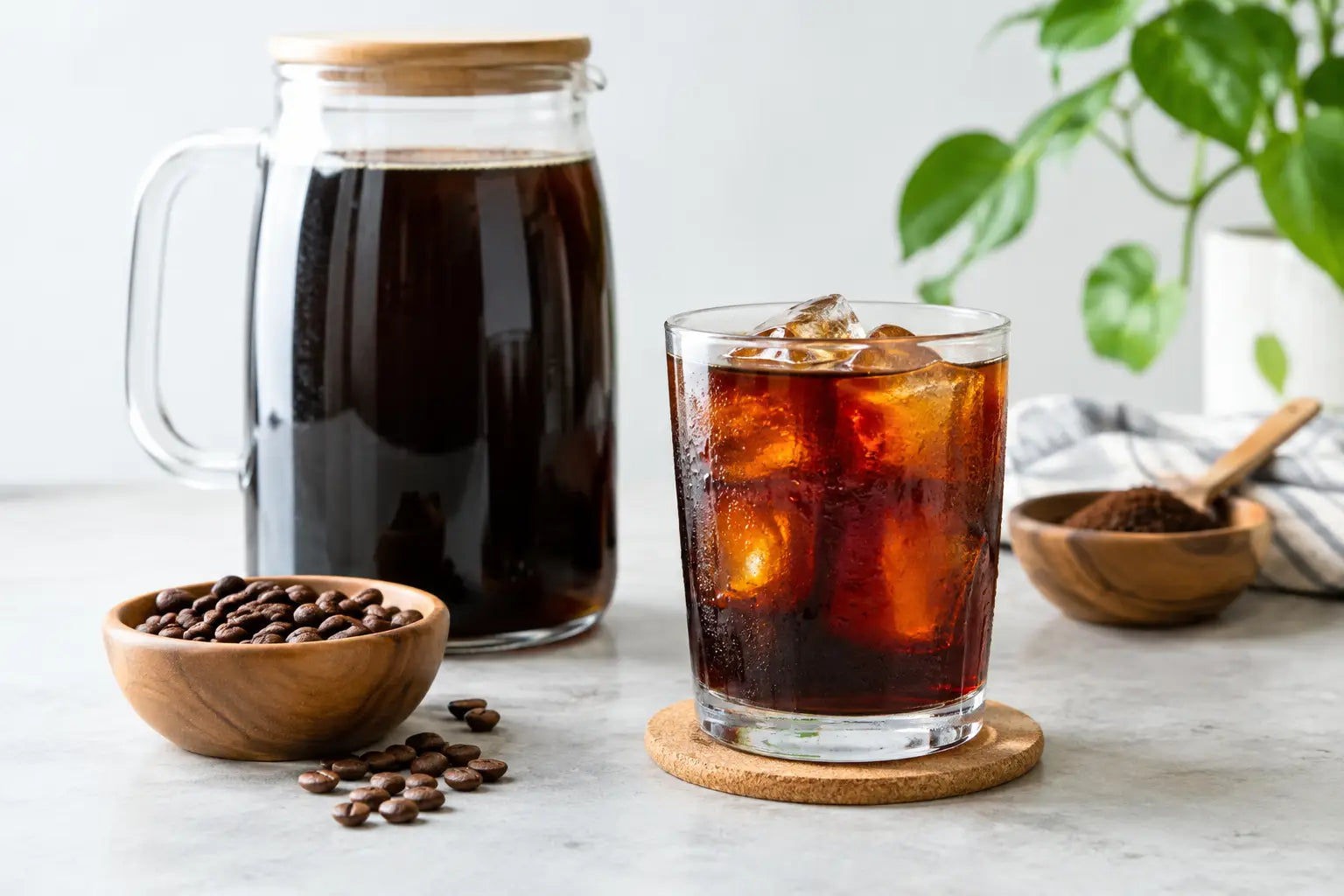
Coffee pods make sense for single-cup routines, offices, guest rooms, and households where everyone keeps a different schedule. The best pod experience comes from coffee that was roasted for flavor first, not just designed to survive a long inventory cycle. Cold brew offers another route for people who want a smooth, low-acid-feeling drink over ice or a ready-to-pour option during warm weather.
There is no single correct way to drink coffee. The better question is whether your chosen format gives you a cup you are excited to make again tomorrow.
How to Get the Best From Delivered Coffee
When your coffee arrives, check the roast date if it is provided and give the beans a little room to rest if they were roasted very recently. Then keep the bag sealed tightly in a cool, dry cabinet away from sunlight, heat, and strong odors. A countertop canister works well if it has an airtight seal and is sized for the amount you will use promptly.
Skip the refrigerator. Coffee can absorb odors and encounter condensation when moved in and out of cold storage. Freezing can work for long-term storage when coffee is portioned and sealed carefully, but most households get better results by ordering an amount they can finish while it is still at its best.
Grind only what you need when possible. Use filtered water if your tap water has a noticeable taste, and keep your equipment clean. Old oils in a coffee maker, grinder, or reusable filter can make even beautifully roasted beans taste bitter or stale.
Brewing ratios are worth a little attention, too. If coffee tastes weak and thin, use more grounds or grind finer when your brewer allows it. If it tastes harsh or dry, try a slightly coarser grind, cooler water, or a shorter brew time. Fresh coffee gives you more flavor to work with, but a few small adjustments help you find the cup that suits you.
A Better Roast Carries a Bigger Purpose
Buying coffee direct can be about more than a package arriving at your front door. It can support independent American businesses that know their customers, stand behind their roasting, and make decisions with a longer view in mind.
House of Franks Coffee is veteran family-owned, powered by renewable energy, and fully off-grid. That independence is not a marketing accessory. It is part of the way we approach every bag: make the coffee better, reduce the footprint where possible, and stay accountable for the work from roast to delivery.
Fresh roasted coffee delivery should feel simple, but it should not be ordinary. Start with organic beans, roast them with discipline, ship them promptly, and let the coffee speak for itself. When your next bag arrives, brew it with attention, take the first sip black if you can, and taste what fresh, clean coffee was meant to be.