Cart
0
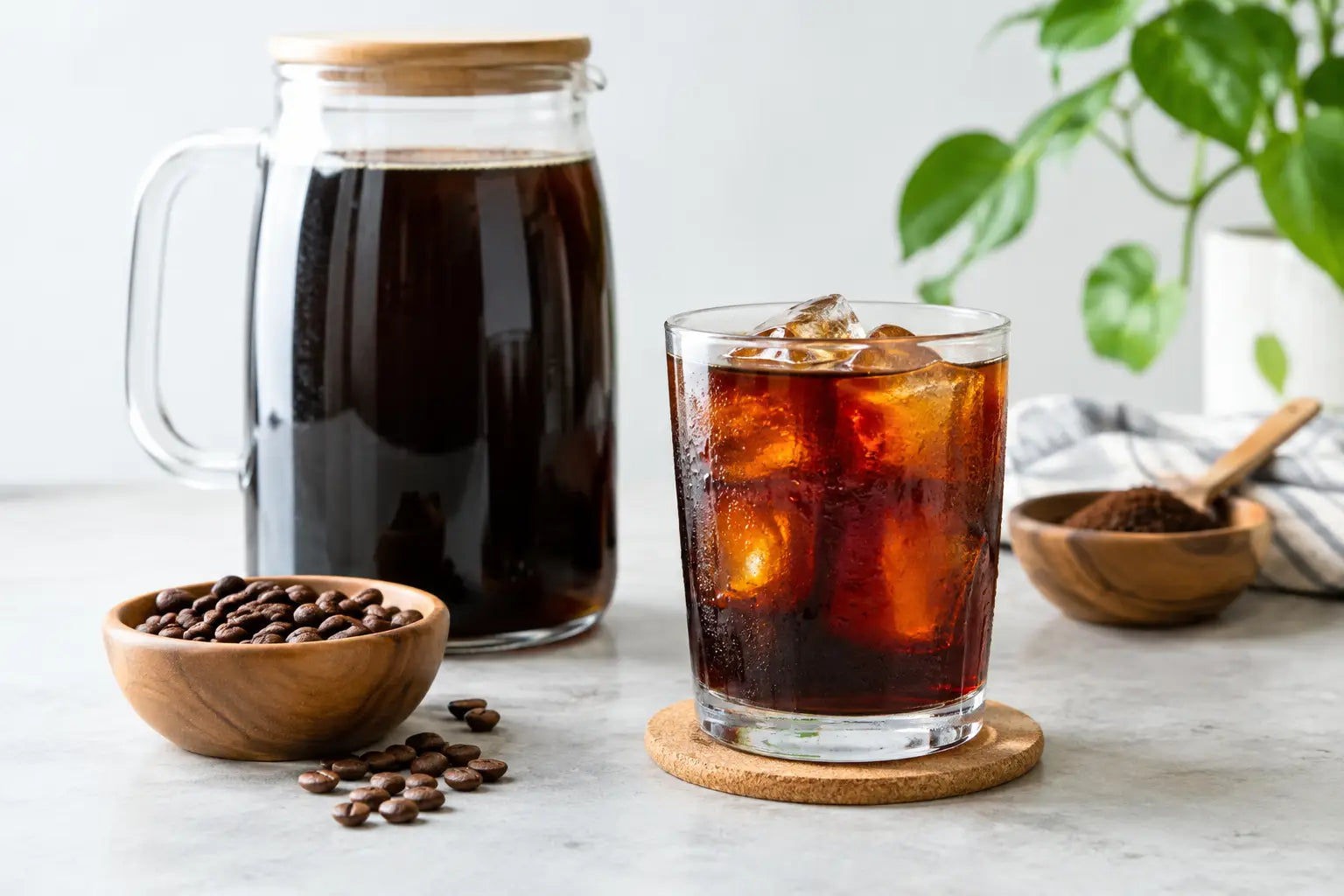
Cold brew should taste like coffee turned down to its best notes: chocolate, caramel, roasted nuts, or bright fruit, depending on the bean. It should not taste muddy, sour, or like it has been sitting in the back of the refrigerator for a week. Learning how to brew cold brew comes down to a few decisions that matter more than expensive equipment: fresh coffee, a coarse grind, clean water, the right ratio, and enough time.
That is good news for anyone who wants a better cold cup at home. Cold brewing is simple, forgiving, and built for real routines. Make a batch once, and you have smooth coffee ready for early mornings, busy afternoons, and iced coffee cravings without a pot to brew.
What Makes Cold Brew Different?
Cold brew is not just hot coffee poured over ice. It is coffee steeped in cool or room-temperature water for many hours, then filtered. Because the water never gets hot, it draws out flavor differently. The result is typically rounder, lower in perceived acidity, and less sharp than traditional drip coffee.
That smoothness does not mean cold brew has no character. Great beans still show up in the cup. A medium roast may bring cocoa and toasted almond notes. A lighter single-origin coffee can taste lively and fruit-forward. A darker roast can give you deeper caramelized richness. The key is using coffee you would be happy to drink hot. Cold water cannot make stale, flat beans taste fresh.
For a clean, no-bitterness finish, start with roast-to-order coffee and grind it shortly before brewing. Freshly roasted, 100% organic coffee gives the water something worth extracting.
The Best Coffee, Grind, and Ratio for Cold Brew
Choose whole beans when possible. Pre-ground coffee works in a pinch, but it loses aroma and flavor quickly after grinding. A burr grinder is the best option because it creates more even particles than a blade grinder. Even grounds extract more evenly, which means a cleaner cup and less sediment.
Use a coarse grind, similar to raw sugar or coarse sea salt. Fine grounds can over-extract, clog filters, and leave your cold brew silty. If your finished coffee tastes dry, woody, or overly intense, your grind may be too fine, your steep may be too long, or both.
For an everyday ready-to-drink batch, use a 1:8 ratio by weight: one part coffee to eight parts water. That means 4 ounces of coarse-ground coffee with 32 ounces of filtered water. This makes a cold brew that can go straight over ice, though you can still add a splash of water or milk to suit your taste.
For a concentrate, use a 1:4 ratio: 4 ounces of coffee to 16 ounces of water. Concentrate takes up less refrigerator space and is excellent if you like to customize each glass. After filtering, mix it with equal parts water, milk, or your preferred milk alternative. Concentrate is strong by design, so do not judge it until you dilute it.
Filtered water is worth the small effort. Coffee is mostly water, and water with a strong chlorine or mineral taste will show up in your brew. Cold water from a filtered pitcher is a practical choice for most kitchens.
How to Brew Cold Brew at Home
You do not need a dedicated cold brew maker. A large mason jar, French press, or food-safe pitcher works well. You will also need a fine-mesh strainer, paper coffee filters, cheesecloth, or a reusable filter. Paper filters produce the clearest cup, while metal filters allow more natural coffee oils through for a fuller body.
1. Combine coffee and water
Add your coarse-ground coffee to a clean jar or pitcher. Pour in cold, filtered water slowly, making sure all the grounds are wet. Stir gently with a spoon until no dry pockets remain. There is no need to beat or vigorously shake the coffee. A calm, thorough mix is enough.
Cover the container. A lid, plate, or reusable wrap keeps refrigerator odors and kitchen dust out of the brew.
2. Steep for 12 to 18 hours
Refrigerator steeping is easy and consistent. For most coffees, 14 to 16 hours is a dependable starting point. If you prefer a lighter, brighter cup, begin around 12 hours. For a fuller, deeper brew, let it go closer to 18 hours.
Longer is not always better. Past a certain point, cold brew can develop dull, tannic, or woody flavors. The ideal steep time depends on the coffee, the grind, and your taste. Keep a quick note after each batch so you can adjust one variable at a time.
Room-temperature brewing is also possible and can bring out a little more intensity, but it requires closer attention. For most home brewers, the refrigerator is the simpler path to a consistently clean cup.
3. Filter slowly and thoroughly
After steeping, strain out the grounds. First, pour the mixture through a fine-mesh strainer to remove the larger particles. Then filter it again through a paper coffee filter or a clean cloth filter for a brighter, cleaner finish.
Do not squeeze the grounds or force the last liquid through the filter. That extra pressure can push fine sediment and harsher flavors into the finished coffee. Let gravity do the work, even if it takes a few more minutes.
If you brewed in a French press, press the plunger slowly, then pour the coffee through a paper filter if you want less sediment. The French press is convenient, but its metal mesh alone usually leaves more fine particles behind.
4. Chill, dilute if needed, and serve
Store filtered cold brew in a sealed container in the refrigerator. Ready-to-drink cold brew is excellent over ice with a little water, milk, or cream. If you made concentrate, start with one part concentrate and one part water or milk, then adjust from there.
Ice will dilute any drink as it melts. If you want maximum flavor, make coffee ice cubes from a small portion of your batch. They are especially useful for a slow morning when you want that last sip to taste as good as the first.
A touch of simple syrup, maple syrup, vanilla, or cinnamon can complement cold brew, but start with the coffee black. When the beans are fresh and carefully roasted, you may find you need far less sweetener than expected.
Fixing Cold Brew That Tastes Off
Cold brew is simple, but it still rewards attention. If it tastes weak, use more coffee, steep a little longer, or make concentrate. If it tastes too strong, dilute it before changing your recipe. Strength and extraction are not the same thing, and dilution is often the easiest fix.
If your coffee tastes bitter, dry, or rough, use a coarser grind, reduce the steep time, and make sure you are not squeezing the filter. A darker roast can also feel heavier in cold brew, so a medium roast may be the better fit if you want smoothness with a cleaner finish.
If it tastes sour or thin, the coffee may be under-extracted. Try steeping two to four hours longer next time, or check whether your grounds are unusually coarse. Very light roasts can be delicious cold brewed, but they may need a little extra time to show their full sweetness.
Cloudiness is usually a filtration issue, not a failed batch. Filter once more through paper, then store the brew without shaking it. Some sediment may settle naturally at the bottom of the container, which is perfectly normal.
Keep Your Batch Fresh
Filtered cold brew generally tastes best within seven to 10 days in the refrigerator. Keep it covered, use a clean container, and pour what you need instead of drinking straight from the storage bottle. Those small habits protect the flavor you worked for.
House of Franks Coffee is built around the same idea: better coffee starts with better care. Fresh, organic beans and precision fluid-bed roasting create a clean foundation, while your grind, ratio, and steep time finish the job at home.
Your first batch does not need to be perfect. Brew it, taste it, and make one thoughtful adjustment on the next round. That is how cold brew becomes less of a recipe and more of a reliable, smooth part of your day.