Cart
0
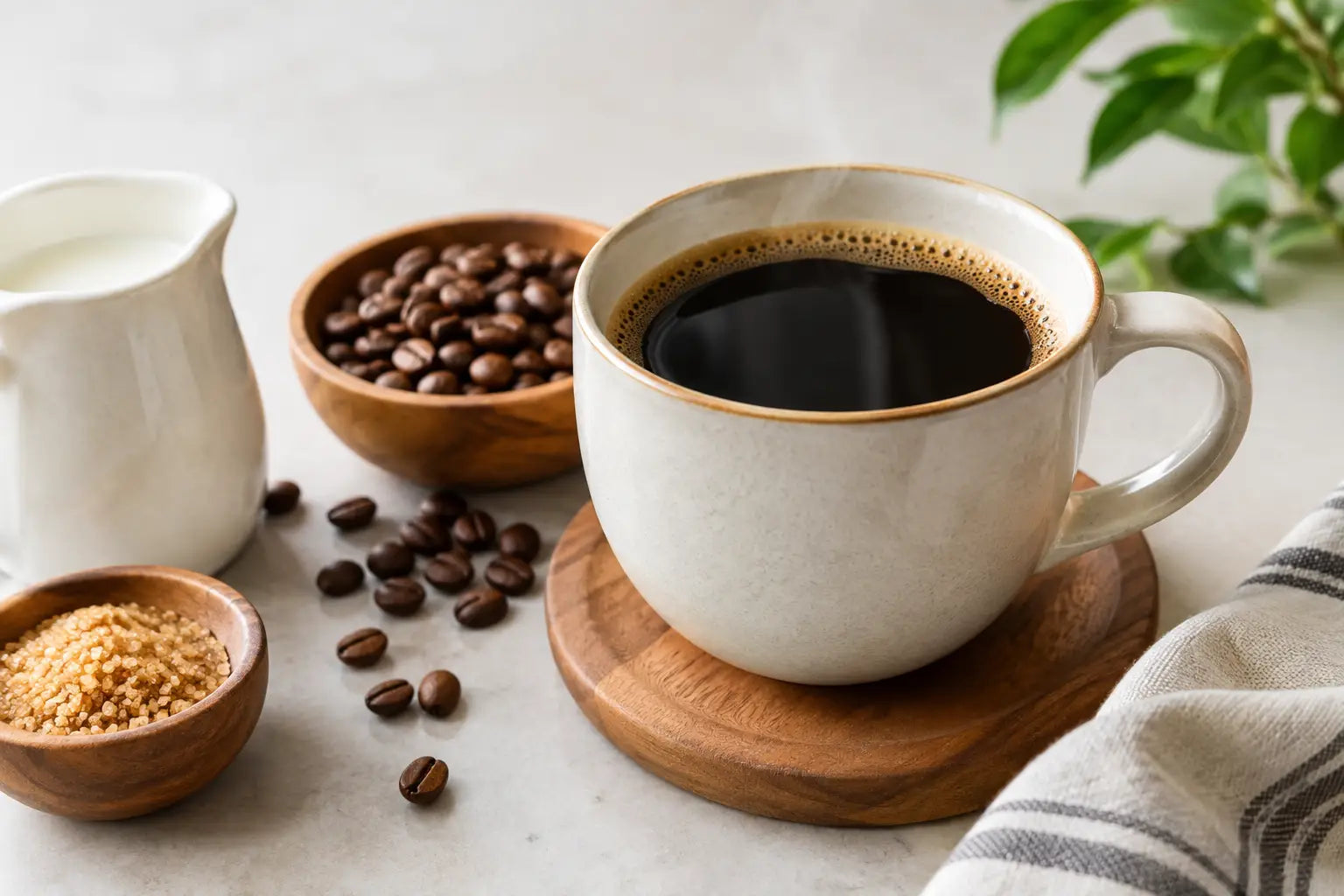
A bitter cup usually starts before the water ever hits the coffee. Beans that have sat too long, an overly dark or uneven roast, a grind that is too fine, or a brew left on heat can turn a promising morning ritual into something harsh. Learning how to reduce coffee bitterness is less about covering it with cream and sugar and more about controlling the few details that shape extraction.
Great coffee should have character. It can be rich, chocolatey, nutty, bright, or deep without being rough on the finish. The goal is not a flat cup. It is a clean, balanced cup where the flavors you paid for have room to come through.
Start With Coffee That Is Fresh and Cleanly Roasted
Coffee bitterness is often blamed on brewing, but the bean and roast profile set the ceiling for what is possible in your cup. Old coffee loses its aromatic compounds and can taste woody, dull, or harsh. Coffee exposed to air, heat, and light deteriorates faster, especially after it is ground.
Buy whole beans when possible and store them in a sealed, opaque container at room temperature. Skip the refrigerator and freezer for everyday use. Condensation and repeated temperature changes can compromise flavor. Grind only what you need right before brewing, then enjoy the coffee while its sweetness and aroma are still alive.
Roast quality matters just as much. Dark roasts naturally carry more roast-driven flavors, and they can become bitter if pushed too far. That does not mean you need to avoid dark coffee. It means choosing coffee roasted with control, not coffee that is scorched to hide low-quality beans.
At House of Franks Coffee, precision fluid-bed roasting suspends beans in a coffee tornado of clean hot air. That even movement helps avoid the scorched spots that contribute to harshness, producing a brighter, smoother cup with pure flavor and no bitterness. A clean roast gives your brewing method a far better starting point.
How to Reduce Coffee Bitterness With a Better Grind
If your coffee tastes dry, sharp, or unpleasantly bitter, your grind may be too fine. Fine particles expose more surface area to water. When the water stays in contact too long, it can pull out excessive bitter compounds after the desirable sweetness and acidity have already been extracted.
Match the grind to the brewer. A French press needs a coarse, even grind. A drip machine generally performs best with a medium grind. Pour-over coffee often lands between medium-fine and medium, depending on the brewer and filter. Espresso requires a fine grind, but its short brewing time changes the equation.
The word to focus on is even. Inconsistent grinders create powdery fines alongside larger chunks. The fines over-extract and become bitter while the large pieces under-extract and taste weak or sour. A burr grinder produces a more uniform particle size than a blade grinder, making it one of the most meaningful upgrades for a better home cup.
If bitterness appears suddenly after you switch grinders or coffee, adjust one step coarser first. Keep the dose, water, and brew time steady. Small, deliberate changes teach you more than changing everything at once.
Check Your Water Temperature and Contact Time
Very hot water can make a bitter coffee worse. For most brewing methods, aim for water between 195°F and 205°F. If you do not have a temperature-controlled kettle, bring water to a boil, remove it from heat, and wait about 30 seconds before pouring.
Water that is too hot does not automatically ruin coffee, especially in a quick brew. But when hot water combines with a fine grind and long contact time, over-extraction becomes much more likely. The cup may taste smoky, drying, or aggressively bitter rather than pleasantly bold.
Brewing too long causes a similar problem. Letting a French press steep for eight or ten minutes, allowing a pour-over to stall, or running excess water through a drip basket can pull too much from the grounds. For a French press, start around four minutes. For drip coffee, follow the machine's intended batch range rather than trying to stretch a small dose into a large pot.
Espresso is especially sensitive. A shot that runs too slowly is often bitter and dry. Coarsen the grind slightly or reduce the dose before changing several variables at once. A faster shot can be under-extracted, so taste is the final judge. The right adjustment is the one that brings back sweetness and clarity.
Use the Right Coffee-to-Water Ratio
Weak coffee can taste bitter, too. That sounds backward, but a thin cup offers little sweetness or body to balance its more intense flavors. Adding more grounds is not always the answer, though. Too much coffee can slow the brew and create over-extraction.
A reliable place to begin is a 1:16 ratio: one part coffee to 16 parts water by weight. For one generous mug, try 20 grams of coffee with 320 grams of water. Prefer a heavier, richer cup? Move toward 1:15. Want something lighter? Try 1:17.
A kitchen scale brings consistency, but it does not need to turn your morning into a laboratory. Use it for a few brews to find your preferred recipe, then repeat what works. The payoff is simple: fewer surprise cups and more smooth, dependable coffee.
Clean Your Brewer Before You Change the Beans
Coffee oils cling to carafes, filter baskets, grinders, French press screens, pod machines, and travel mugs. Over time, those oils go rancid. Fresh coffee brewed through dirty equipment can pick up a stale, bitter edge that no amount of careful measuring will fix.
Wash removable brewing parts after use and rinse well. Give your brewer a deeper clean regularly, following its manufacturer instructions. Do not forget the carafe lid, pour-over dripper, and grinder chute. These small areas hold more residue than most people expect.
Your water also matters. Water with heavy chlorine, strong mineral flavor, or an off smell can muddy a clean roast. Filtered water is often an easy improvement. Avoid distilled water for everyday brewing because coffee needs some minerals in the water to extract and taste balanced.
Choose a Brewing Style That Fits Your Taste
Some brewing methods naturally soften bitterness better than others. Paper-filtered drip and pour-over coffee remove many oils and fine particles, creating a cleaner cup. French press coffee has more body and texture, but it can become bitter if grounds slip through the screen or steep too long.
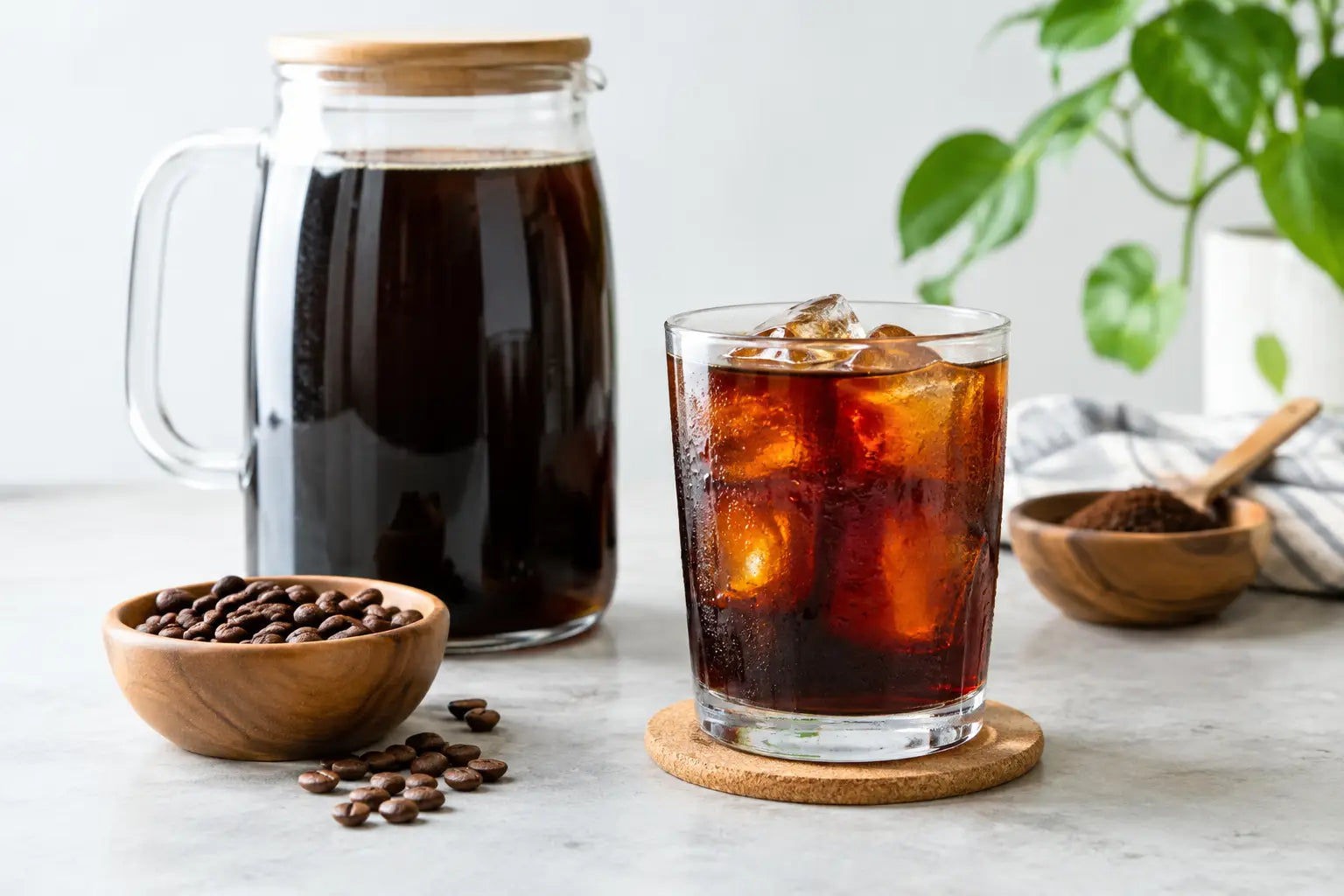
Cold brew is a smart option for people who find hot coffee consistently harsh. Its long, cool extraction tends to emphasize chocolatey, mellow notes and reduce the perception of bitterness. Serve it over ice or dilute concentrate with cold water to your preferred strength.
If you use coffee pods, do not run extra water through the pod to fill an oversized mug. That dilutes the coffee while pushing a late, bitter extraction through the grounds. Brew the intended size, then add hot water if you want a larger drink.
Do Not Let Finished Coffee Sit on a Hot Plate
A well-brewed pot can turn bitter after it is brewed. Glass carafes sitting on a hot plate continue to cook the coffee, flattening its aroma and emphasizing burnt flavors. If you make a full pot, transfer it to an insulated thermal carafe or brew only what you plan to drink soon.
The same rule applies to reheating yesterday's coffee in the microwave. It may be convenient, but it rarely tastes fresh. If you need a second cup later, keep it warm in a thermal container or make a smaller fresh batch. Freshness is not a luxury in coffee. It is part of the recipe.
A smoother cup comes from clear choices: fresh organic beans, a controlled roast, an even grind, clean equipment, and a brew that stops at the right moment. Start with one adjustment tomorrow morning. When the bitterness fades, the real coffee finally has something to say.