Cart
0
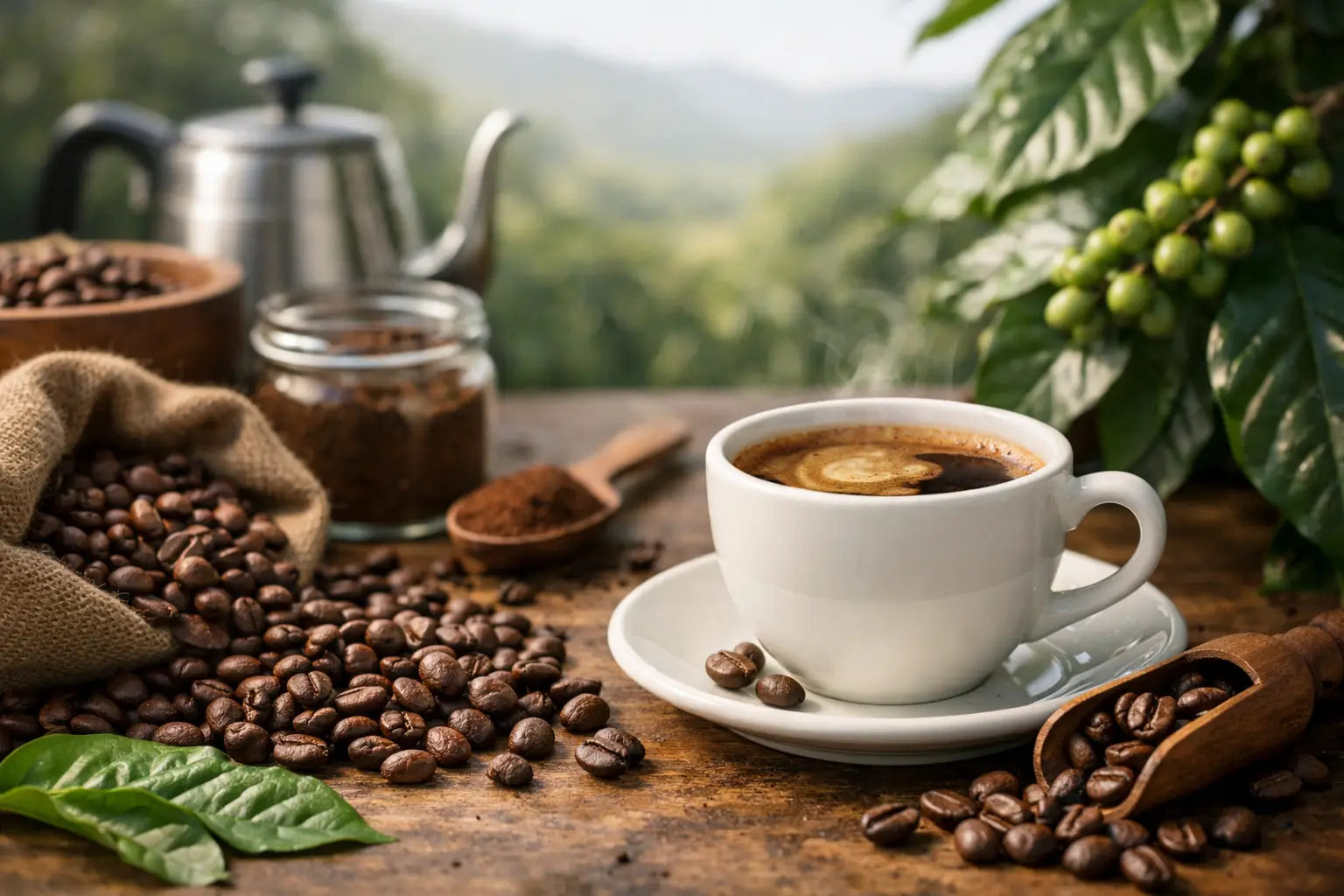
That bitter, burnt taste at the bottom of a morning cup is not a requirement of getting caffeinated. It is often the result of old beans, uneven roasting, or coffee treated like a commodity instead of a crop worth protecting. Organic coffee offers a better starting point: beans grown under verified standards, then given the freshness and roast precision they deserve.
For coffee drinkers who want more from their daily brew, the appeal is straightforward. You can choose a cup that is better for the land, made with more care, and genuinely enjoyable to drink. But organic is not a magic word that guarantees great flavor. The difference comes from what happens at every stage, from the farm to the final roast.
What Organic Coffee Certification Actually Means
USDA Certified Organic coffee must meet specific standards for how it is grown and handled. On the farm, that means coffee is produced without most synthetic pesticides, herbicides, and fertilizers. Growers rely on practices such as composting, soil management, shade cover, and natural methods of pest control to support healthy coffee plants.
Certification also reaches beyond the field. Organic products must be kept separate from non-organic coffee during processing, storage, and transportation, with documentation that follows the beans through the supply chain. That traceability matters. It gives shoppers a verified standard instead of a vague promise printed on a bag.
Still, honest coffee education means being clear about what the seal does and does not say. Organic certification does not automatically mean a coffee is fair trade, carbon-neutral, shade-grown, or better tasting. Those are separate questions. What it does provide is a meaningful baseline: the coffee was grown and handled according to regulated organic practices.
For many households, that is reason enough to make the switch. Coffee is a daily habit, often brewed more than once a day. Choosing organic puts your routine behind farming methods designed to reduce reliance on synthetic agricultural chemicals.
Great Organic Coffee Still Has to Taste Great
A responsible coffee choice should never require settling for a flat, harsh cup. The quality of the green coffee, the roast profile, and how recently it was roasted have as much influence on flavor as the organic certification itself.
Fresh coffee has a liveliness that faded grocery-store bags cannot recreate. After roasting, coffee begins releasing carbon dioxide and aromatic compounds. There is a sweet spot after the beans have rested, when the flavor is developed and the cup tastes rich, clear, and expressive. Let coffee sit for months in a warehouse or on a shelf, and much of that character disappears.
Roast style matters, too. A light roast can highlight citrus, floral, or fruit notes in a single-origin coffee. A medium roast often lands in the sweet spot for everyday drinkers, balancing brightness with body and sweetness. Darker roasts can bring cocoa, toasted sugar, and a deeper finish, but they should not taste like ash. Dark does not have to mean bitter.
The goal is not to force every bean into the same flavor. It is to roast each coffee with enough control to bring out what is naturally there. A balanced Breakfast Blend may be exactly right for a busy weekday. A bold French Roast may be the cup you want after dinner. The better choice depends on your palate, your brewer, and how you take your coffee.
Why Air Roasting Makes a Cleaner Cup
Traditional drum roasting uses a rotating metal chamber to move beans through heat. It can produce excellent coffee in skilled hands, but the beans remain in contact with hot metal as they roast. If the process is not managed carefully, that contact can create uneven development or carry scorched flavors into the cup.
Fluid-bed air roasting works differently. Picture a coffee tornado: clean, precisely heated air lifts and circulates the beans as they roast. Each bean moves through the heat rather than sitting against a hot surface. Chaff separates during the process, and the roast can be monitored with close control over time and temperature.
The sensory payoff is simple. Done well, precision fluid-bed roasting produces coffee that tastes bright, smooth, and clean, with pure flavor and no bitterness. It lets the character of the bean take center stage rather than burying it under smoke or char.
That does not mean every coffee should be roasted light. A well-built dark roast still has a place, especially for espresso, French press brewing, or anyone who likes a full-bodied cup with a deep finish. The difference is restraint. A dark roast should be intentional, not a cover for lower-quality beans or a shortcut around careful roasting.
House of Franks Coffee brings this approach to roast-to-order, small-batch organic coffee, using fluid-bed air roasting and renewable, off-grid energy to make every bag a more thoughtful choice from crop to cup.
How to Choose Organic Coffee for Your Routine
Start with the certification. Look for clear USDA Certified Organic language, not broad claims like “natural” or “clean.” Then look at the coffee itself. A roaster should tell you whether you are buying a blend or a single-origin coffee, what roast level to expect, and how the coffee is prepared for freshness.
Consider your brewing method before choosing a roast. Medium roasts are reliable across drip machines, pour-over brewers, and most home coffee makers. They offer enough body for cream and sugar while keeping the coffee’s natural sweetness in view. If you use a French press, a richer medium-dark or dark roast can stand up well to the brewer’s fuller texture. Espresso drinkers may prefer a deeper profile, though a balanced medium roast can make an excellent, sweeter shot.
Convenience should not force you back to mediocre coffee. Organic coffee is available as whole bean, ground coffee, pods, cold brew, and even ready-to-brew options depending on the roaster. Whole beans give you the most control and the strongest aroma when ground just before brewing. Pre-ground coffee is practical for packed mornings. Pods are a sensible choice when speed and consistency matter most. Each format has a trade-off, but none should require sacrificing flavor.
Storage is the final piece. Keep beans in an airtight container or their sealed bag, away from heat, sunlight, and moisture. Skip the refrigerator, where coffee can absorb odors and encounter condensation. Buy an amount you can comfortably finish while it is fresh, then enjoy the difference a recently roasted bag makes.
Better Farming Deserves Better Brewing
Organic coffee connects a familiar morning ritual to larger choices about soil, water, and long-term farming practices. That connection is real, but it becomes more meaningful when the cup also delivers. A responsible purchase should not feel like a compromise you make before the first sip.
Brew with water that tastes good on its own, use the right coffee-to-water ratio, and give your beans a grind suited to your brewer. If your coffee tastes sour or thin, try a finer grind, slightly hotter water, or a little more brewing time. If it tastes dry and overly bitter, go coarser, shorten the brew, or lower the water temperature. Small adjustments can turn a decent bag into a cup you look forward to.
Your daily coffee can be a simple standard: certified organic beans, freshly roasted, carefully brewed, and full of the flavor coffee is supposed to have. Choose the roast that fits your morning, make it fresh, and let a better cup become part of the routine.