Cart
0
A coffee bag can look premium and still be past its best before it reaches your kitchen. Roast to order coffee changes that equation. Beans are roasted in small batches after they are ordered, then packed and shipped with their peak flavor, aroma, and character still intact.
That difference is not just for coffee experts who own scales and grinders. It is for anyone tired of a flat morning cup, harsh bitterness, or coffee that smells better in the bag than it tastes in the mug. A better roast creates a better brew - bright, smooth, clean, and full of the flavor the bean was grown to deliver.
What Roast to Order Coffee Actually Means
Roast to order coffee is coffee prepared for sale only after a customer places an order, rather than coffee roasted far in advance and held in a warehouse, on a store shelf, or in a distribution chain. The goal is simple: get freshly roasted beans from the roaster to your brewer without adding unnecessary time in between.
Coffee begins changing as soon as it is roasted. The roasting process develops the aromas and flavors that make coffee taste like coffee, but it also starts a gradual loss of freshness. Oxygen, heat, light, and time all work against the cup. A bag that has spent months moving through a conventional supply chain may still be drinkable, but it cannot offer the same lively aroma and clean flavor as coffee roasted closer to when you will brew it.
Freshness does not mean rushing coffee out the door seconds after roasting. Newly roasted beans release carbon dioxide, a natural process called degassing. Depending on the roast level and how you brew, coffee often tastes especially good after it has had a little time to settle. The point of roasting to order is not a gimmick about being newest at any cost. It is careful timing, so the coffee reaches you with room to open up rather than already fading.
Why Fresh Roasting Changes the Cup
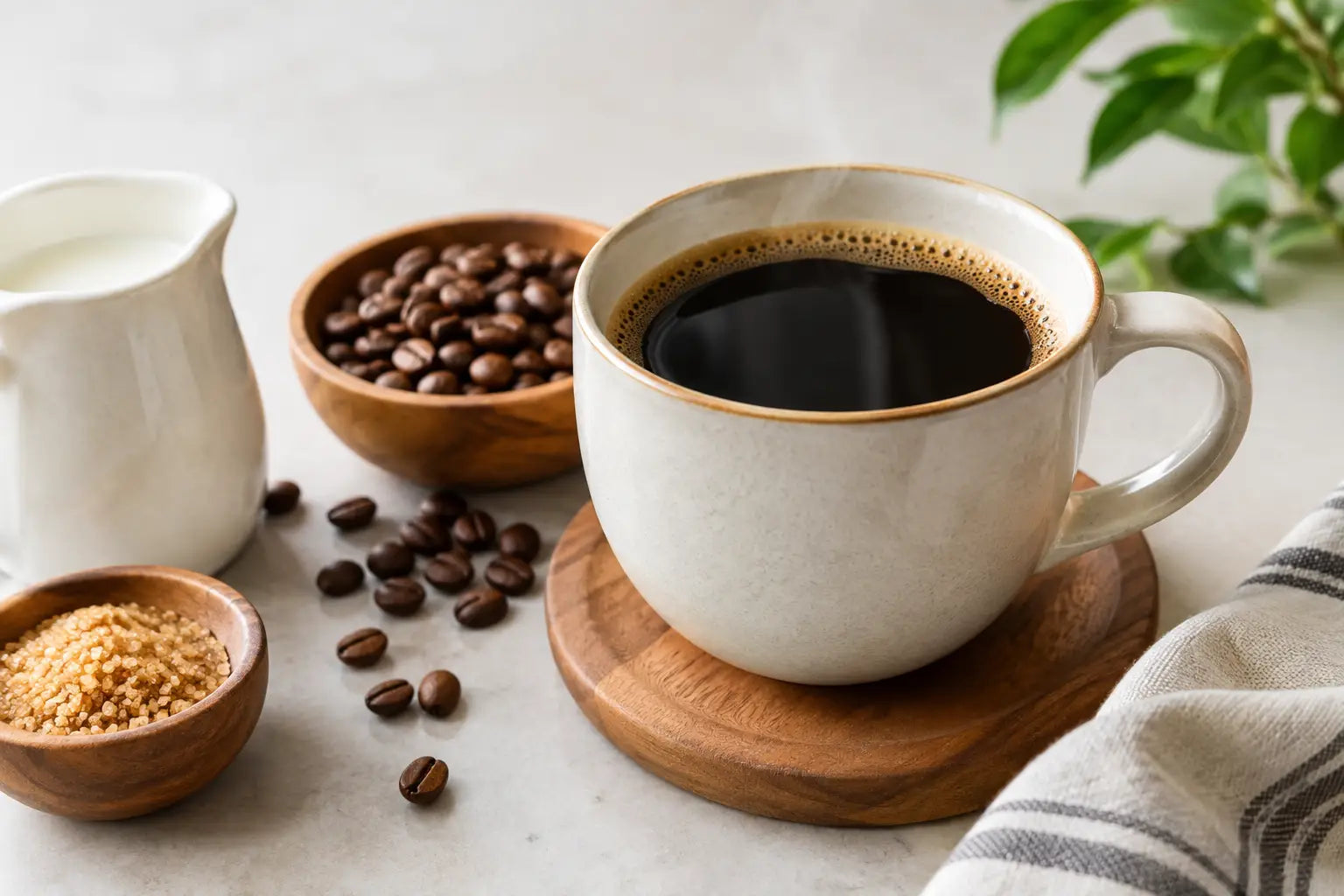
The first thing most people notice is the aroma. Fresh coffee has a fuller, more distinct fragrance when you open the bag and when hot water hits the grounds. That aroma carries into flavor. A well-roasted fresh coffee can show cocoa, caramel, toasted nuts, citrus, berry, or deep brown sugar notes with more clarity.
The second difference is smoothness. Bitterness is often blamed on dark coffee alone, but the truth is more complicated. Old beans, uneven roasting, a poor grind, overheated water, and over-extraction can all push a cup toward harshness. Fresh coffee cannot correct every brewing mistake, but it gives you a far stronger starting point.
Finally, roast-to-order coffee offers consistency. Small-batch roasting allows a roaster to pay attention to how each coffee responds to heat, airflow, and time. Beans from different origins, elevations, and harvests do not behave exactly alike. Treating them all the same is how distinct character gets lost.
The Coffee Tornado Behind a Cleaner Flavor
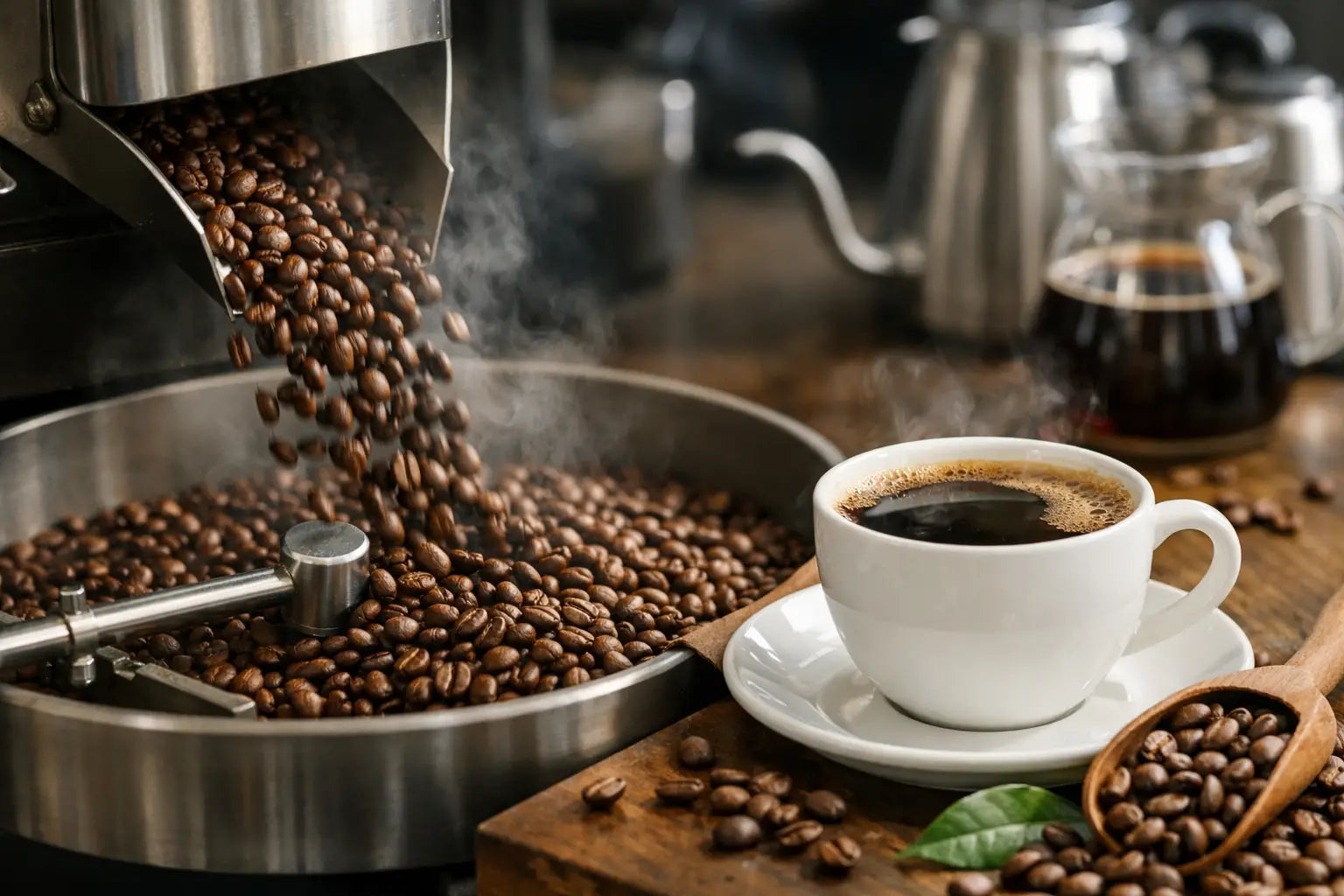
At House of Franks Coffee, precision fluid-bed roasting puts the beans in a coffee tornado of clean hot air. Instead of relying on a heavy drum to tumble beans across hot metal, a fluid-bed roaster suspends and circulates them in moving air. That airflow helps roast the beans evenly while carrying away chaff, the papery skin released during roasting.
For the drinker, the technical advantage is easy to understand: cleaner flavor, brighter aroma, and a smoother finish with no bitterness taking over the cup. The roast is built around what belongs in your coffee, not around smoky distractions or scorched notes that cover up the bean.
This style of roasting also gives skilled roasters close control over development. A medium roast can stay balanced and approachable, with sweetness and body without losing all of its origin character. A French roast can bring the bold depth many drinkers want while still aiming for a clean finish. The right choice depends on your taste and your brewing routine, but precision makes those choices more dependable.
Freshness Starts With Better Green Coffee
Roast timing matters, but it is not the whole story. No roasting method can turn low-quality green coffee into an exceptional cup. Great coffee starts with carefully selected beans and responsible sourcing, then respects that quality through storage, roasting, packing, and brewing.
Choosing 100% USDA Certified Organic coffee adds another meaningful standard. Organic certification gives customers confidence that the coffee is produced under defined agricultural requirements. For households trying to make more intentional purchases, that matters alongside flavor. You should not have to choose between a coffee that tastes good and one that aligns with how you want food to be grown.
Fresh roasting makes those bean qualities easier to taste. A bright single-origin coffee can show its natural fruit and sweetness. A carefully designed blend can provide a dependable, rich cup day after day. Both have a place. Single origins are ideal when you want to explore a coffee’s individual personality, while blends are often built for balance, familiarity, and reliable performance across brewing methods.
How to Get the Best From Fresh Coffee at Home
Once roast-to-order coffee arrives, a few practical habits protect the work that went into it. Store beans in their sealed bag or an airtight container, away from sunlight, heat, and moisture. A cool cabinet is better than the countertop beside the stove. Avoid keeping your daily supply in the refrigerator, where moisture and food odors can interfere with flavor.
Grinding right before brewing is one of the biggest upgrades you can make. Whole beans keep their flavor longer because less surface area is exposed to air. If you need ground coffee for convenience, buy an amount you can use steadily and keep the bag closed between brews.
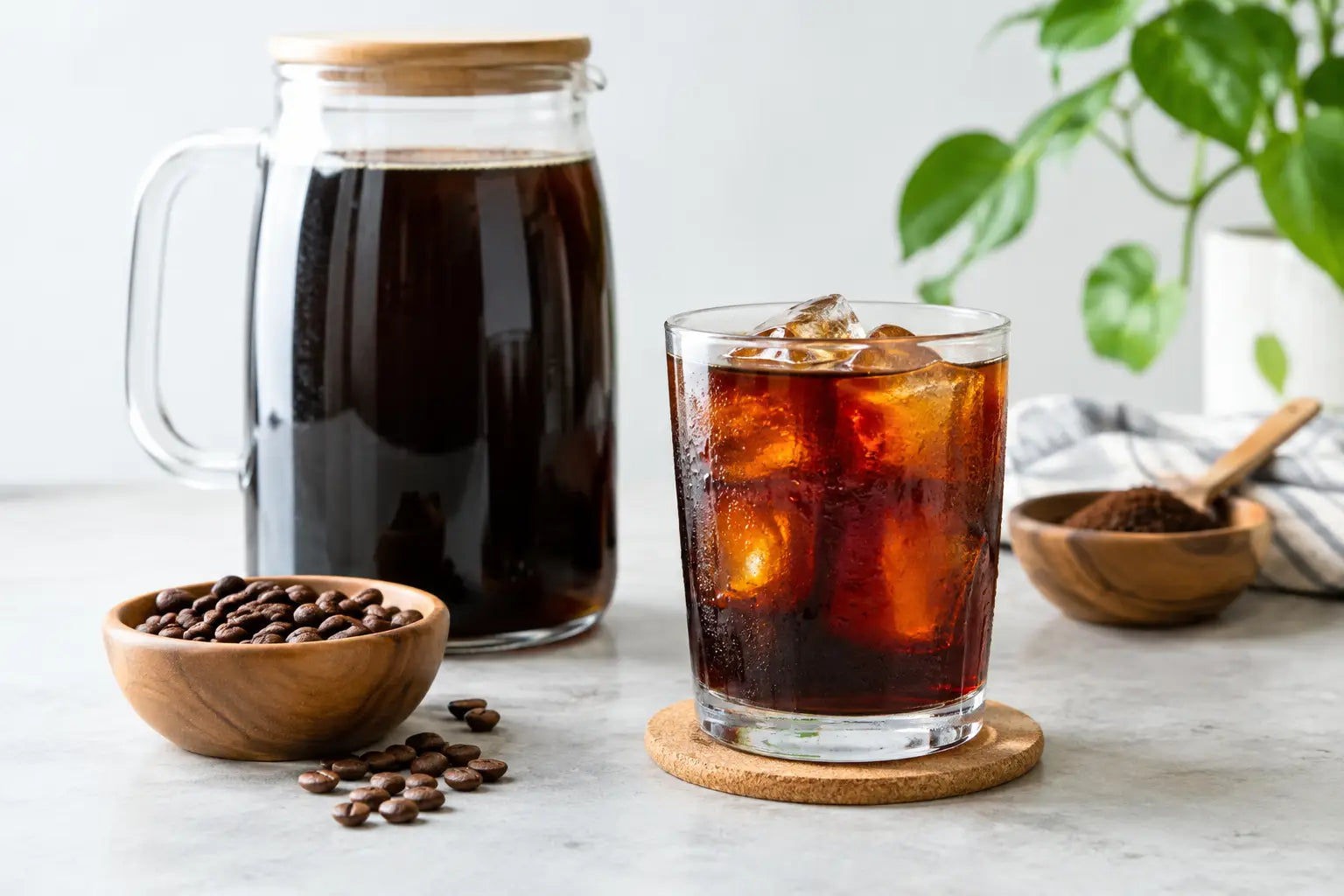
Your brew method should influence the roast and grind you choose. A balanced medium roast is a natural fit for drip machines, pour-over, and many everyday brewers. A bold dark roast can stand up beautifully to milk, cream, or a strong French press. Cold brew typically benefits from a coarse grind and a long, cool extraction, which rounds out the cup and emphasizes smoothness.
Water matters, too. If your tap water has a strong chlorine taste or heavy mineral character, that will show up in your coffee. Use clean, fresh water, measure your coffee consistently, and adjust one variable at a time if a brew tastes too weak, sour, or bitter. Small changes in grind size or coffee-to-water ratio can make a major difference.
Roast to Order Is Worth It When Coffee Is Part of Your Day
Roast-to-order coffee may cost more than a large canister from a grocery shelf. That is a real trade-off, especially for busy households watching every purchase. But coffee is often a daily ritual, not an occasional treat. Better freshness means every bag has a better chance to deliver the aroma, smoothness, and satisfaction you paid for.
It is also a more direct way to support a small, veteran family-owned business built around quality and responsibility. When organic beans are roasted in small batches and operations are powered by renewable, off-grid energy, the choice reaches beyond the mug. It supports a model that takes flavor, sourcing, and environmental stewardship seriously.
Your best cup does not require complicated equipment or a barista vocabulary. Start with fresh beans, a roast profile you genuinely enjoy, and a simple brewing routine you can repeat. When the coffee is roasted for your order, every morning begins closer to the moment that flavor was made.