Cart
0
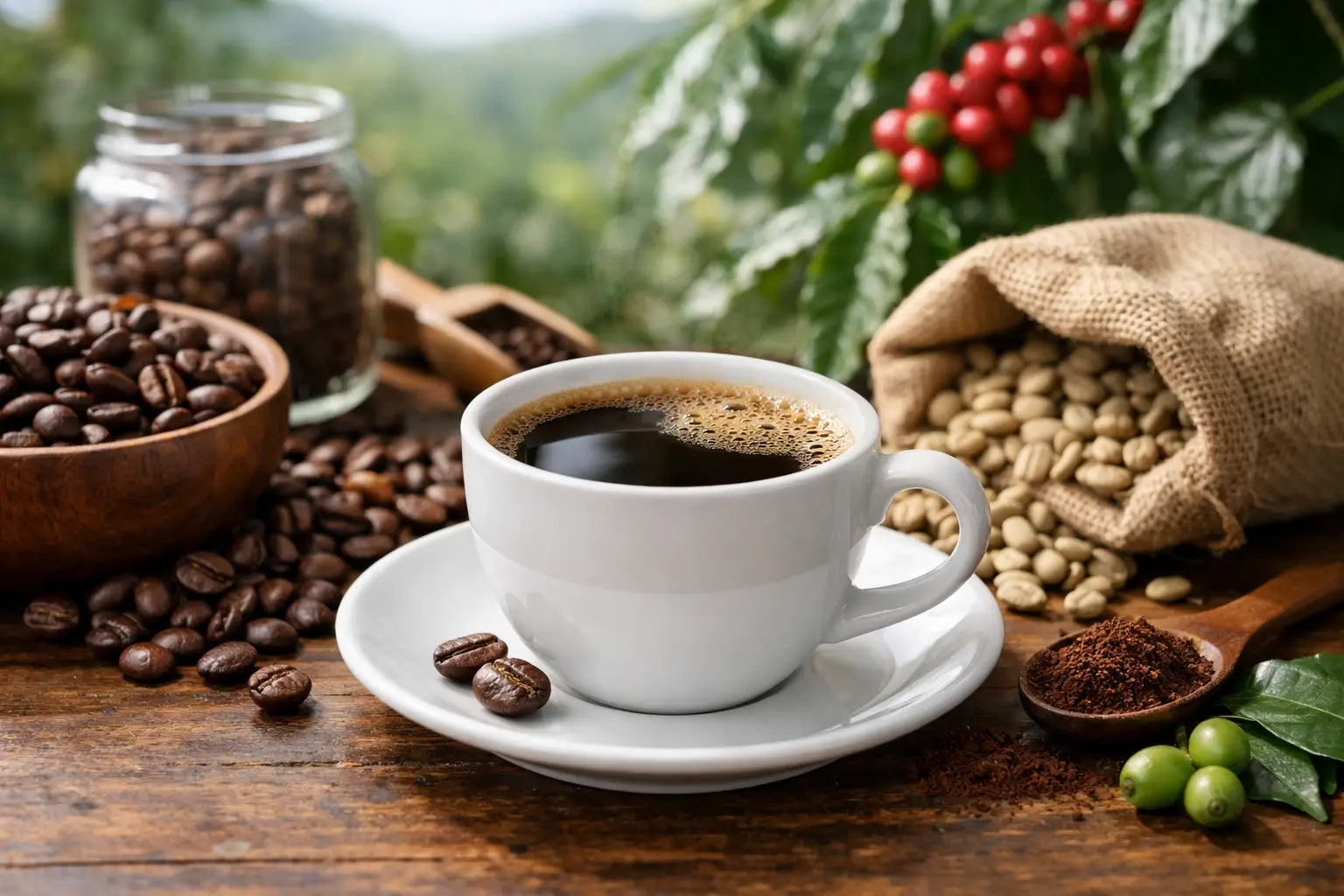
A coffee bag can say “organic” and still leave you with a flat, bitter cup. That is the honest answer behind the question, is organic coffee better? Organic certification is a meaningful standard for how coffee is grown and handled, but it is not a magic flavor switch. Better coffee also depends on bean quality, roast freshness, and the skill of the roaster.
When all of those pieces come together, organic coffee can be a better choice for your cup, your routine, and the land where the coffee began. The goal is not just coffee that checks a box. It is coffee that tastes bright, smooth, rich, and clean from the first sip to the last.
Is Organic Coffee Better for Flavor?
Organic coffee can taste exceptional, but organic alone does not guarantee a great brew. Coffee flavor starts at origin. Altitude, soil, rainfall, plant variety, harvesting, processing, storage, and transport all leave their mark on the bean. A certified organic coffee made from poorly selected beans or roasted months ago will not suddenly taste like specialty coffee.
What organic growing can do is support a cleaner approach to cultivation. USDA Certified Organic coffee is grown without most synthetic pesticides, herbicides, and fertilizers. Farmers use approved practices designed to build healthier soil and manage pests more naturally. That matters to people who want more intention behind their daily coffee, but it also matters because coffee is an agricultural product. The care given to the farm can influence the long-term health of the land and the consistency of future harvests.
Still, no one should promise that you will taste “organic” as a single flavor note. You taste the coffee itself: chocolate, citrus, caramel, toasted nuts, berries, or whatever the origin and roast bring forward. The better question is whether the coffee was grown with standards you trust, then handled with enough care to preserve its natural character.
Organic Certification Means More Than a Marketing Claim
The word organic carries weight because it is backed by defined standards. For coffee sold as USDA Certified Organic, the supply chain must meet requirements around farming inputs, processing, and recordkeeping. Certification involves oversight, documentation, and periodic verification. It is not simply a farmer deciding to print a feel-good word on a bag.
That distinction matters in a crowded coffee aisle. Terms like “natural,” “clean,” and “eco-friendly” may describe a brand’s intentions, but they do not automatically mean the coffee is certified organic. If organic sourcing is important to you, look for the actual certification rather than relying on vague packaging language.
Certification also comes with real trade-offs. Organic farming can be more labor-intensive, and farms may face higher costs or lower yields in certain conditions. That can make certified organic coffee cost more than commodity coffee. For many drinkers, the extra cost is worth it for the standards behind the bean and for a cup they feel good about brewing every morning.
Freshness Is the Difference You Can Taste
If you have ever brewed coffee that smelled promising but tasted papery, dull, or strangely harsh, freshness was likely part of the problem. Roasted coffee is at its best when its flavor compounds are still lively. Over time, oxygen, moisture, heat, and light wear down those qualities.
That is why a roast date is more useful than a distant “best by” date. Coffee does need a short rest after roasting to release gases, but after that, it should be enjoyed while the flavor is still vibrant. Buying smaller quantities more often is usually smarter than stocking up on a huge bag that will sit open for months.
Store beans in an airtight container at room temperature, away from sunlight and the stove. Avoid the refrigerator, where odors and moisture can interfere with flavor. Freeze coffee only if you are storing unopened portions for longer periods. Small habits like these protect the work that happened at the farm and in the roastery.
Why Roasting Method Matters as Much as the Bean
A great organic bean can be ruined by an uneven roast. Dark, smoky bitterness is often blamed on coffee itself, when the real issue may be excessive heat, scorching, or inconsistent development during roasting.
Precision fluid-bed roasting approaches coffee differently. The beans move in a controlled coffee tornado of clean hot air, allowing heat to reach them more evenly. Chaff is separated as the beans roast, helping protect the cup from the stale, burnt flavors that can muddy a batch. The result is a roast that can show off what was already good about the coffee: sweetness, brightness, richness, and a cleaner finish.
This does not mean every coffee needs to be light. A full-bodied French roast can still be deep and satisfying. A medium roast can still have balance and warmth. The point is control. The roast should complement the bean rather than bury it under bitterness.
At House of Franks Coffee, that commitment starts with 100% USDA Certified Organic beans and continues through roast-to-order, small-batch fluid-bed roasting. It is a practical standard: better ingredients deserve a better roast, and your morning cup should taste like it.
Better for the Planet Depends on the Whole Operation
Organic coffee is often a more responsible choice, but environmental impact is bigger than one certification. Coffee travels across the world, requires processing and packaging, and eventually reaches your kitchen through shipping networks. The most thoughtful coffee companies look beyond the bean to consider how they power their roasting, reduce waste, and operate day to day.
Organic farming can help limit the release of synthetic chemicals into soil and nearby water systems. Practices such as composting, shade management, and soil-building can encourage healthier growing conditions when they are used well. But coffee farms vary widely, even within organic systems. Certification is a strong baseline, not the final word on every environmental question.
For the drinker at home, there are sensible ways to make a good choice count for more. Brew the amount you will drink, use a reusable filter when it suits your brewer, and keep grounds out of the trash when composting is available. Most of all, buy coffee you genuinely enjoy. Coffee that tastes great is coffee less likely to be wasted.
How to Choose an Organic Coffee You Will Actually Love
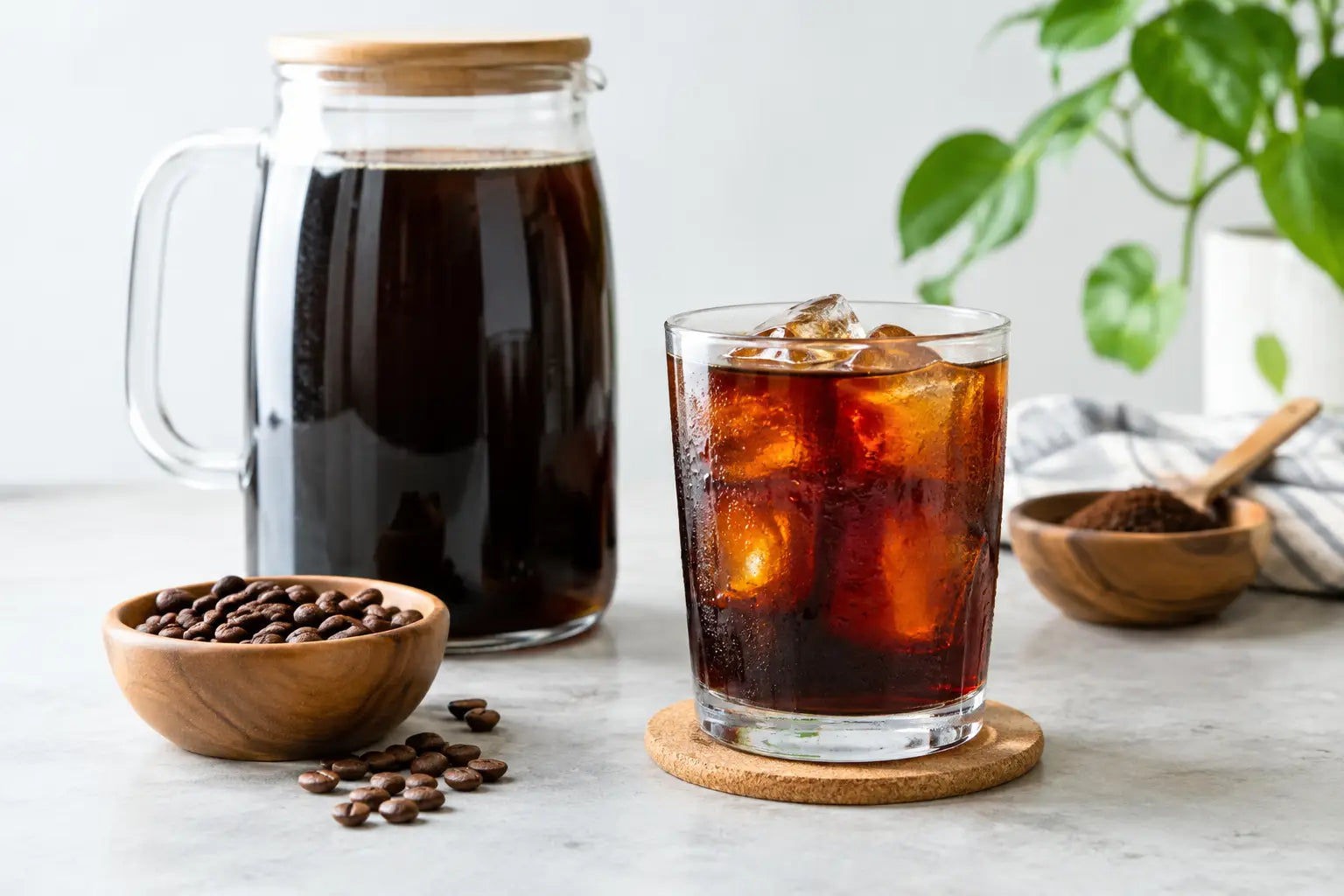
Start with the cup you want, not just the label. If you like a lively, balanced coffee for drip brewing, a medium roast or breakfast blend can be a strong everyday choice. If you prefer a bold cup with milk or a richer finish after dinner, a darker roast may fit better. For cold brew, look for coffees roasted to create sweetness and body without a sharp, bitter edge.
Then check for three signals: certified organic sourcing, a recent roast date, and clear information about the roast or flavor profile. These details tell you far more than a generic promise of “premium” coffee.
Grinding just before brewing is another easy upgrade. Whole beans retain their character longer than pre-ground coffee. Use a burr grinder if possible, match your grind to your brewing method, and use clean water at the right temperature. Even excellent beans cannot overcome stale grounds, a dirty coffee maker, or water that tastes heavily chlorinated.
The Real Standard for a Better Cup
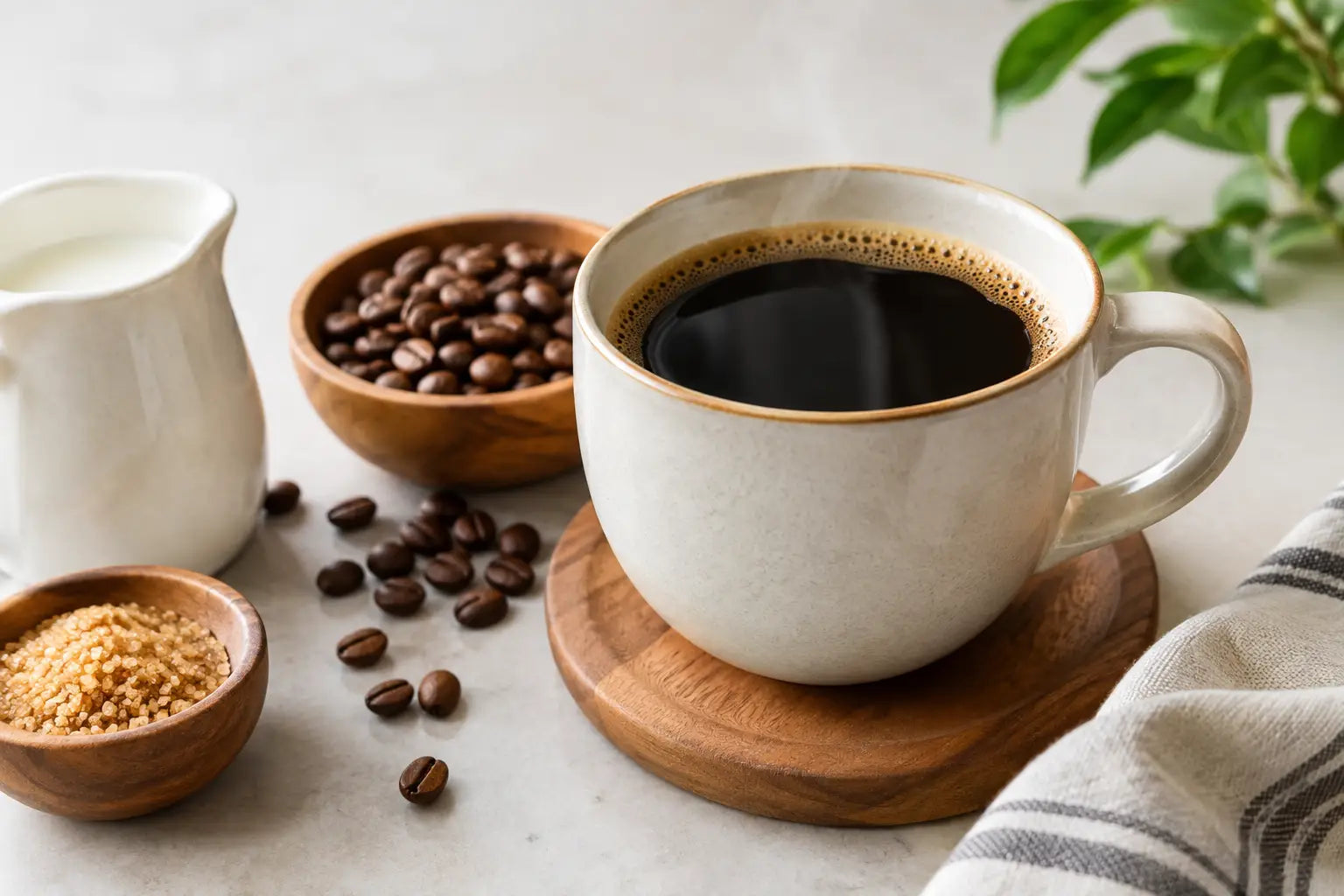
Organic coffee is better when it gives you confidence in how the beans were grown without asking you to settle for mediocre flavor. It is better when the certification is real, the roasting is careful, and the coffee arrives fresh enough to show its natural sweetness instead of hiding behind bitterness.
The best cup is not the one with the longest list of claims. It is the one you look forward to making again tomorrow: smooth enough to drink black, rich enough to savor, and made with standards that make every pour feel like a better choice.