Cart
0
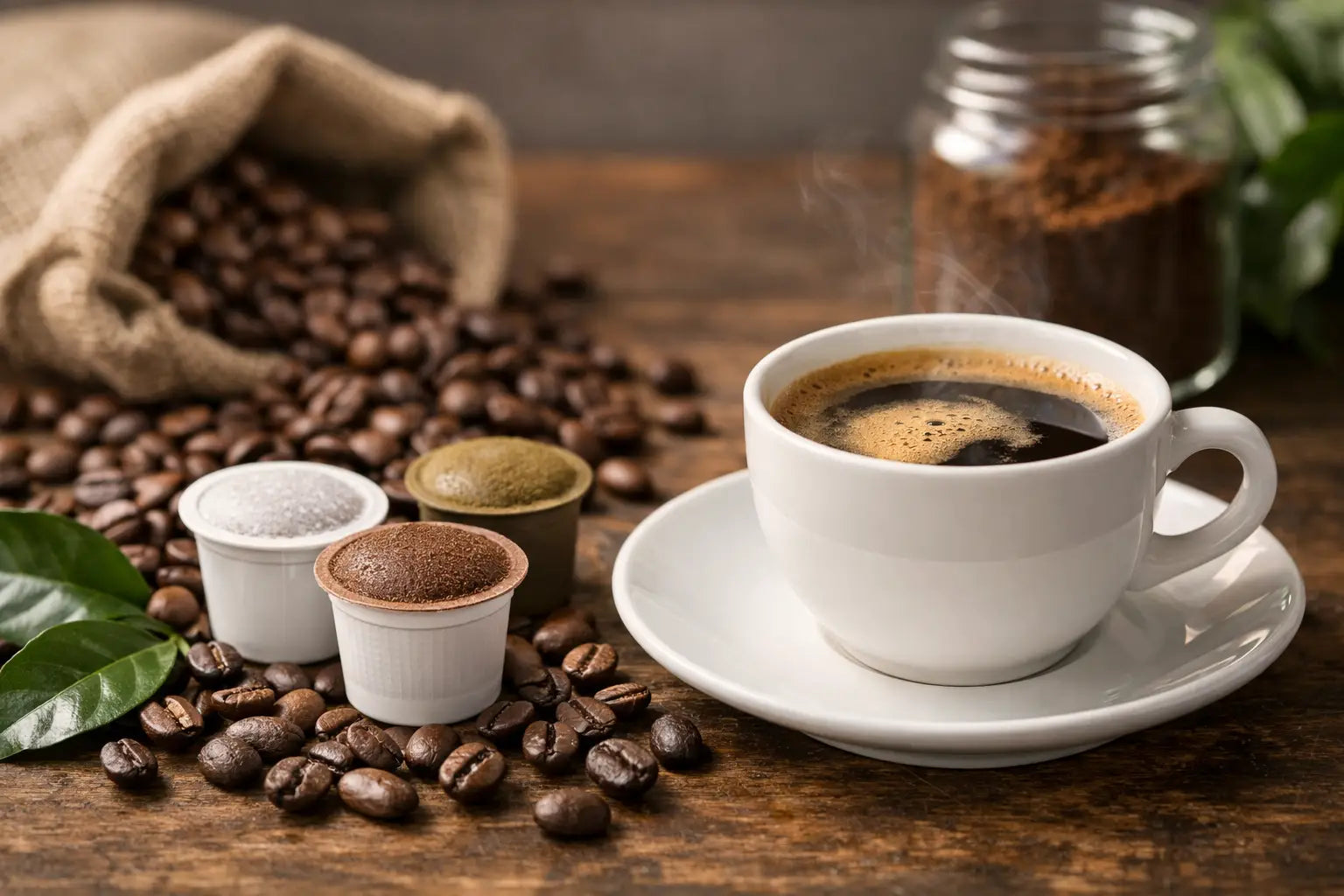
A rushed morning does not mean you have to settle for coffee that tastes dusty, burnt, or strangely bitter. The best organic coffee pods bring real coffee character to a one-button routine: a clean aroma, honest roast flavor, and a smooth finish that makes a second cup feel like a good idea.
That standard starts long before a pod reaches your brewer. It starts with certified organic beans, careful roasting, and a commitment to freshness. Convenience matters. But coffee still has to taste like coffee.
What Makes Organic Coffee Pods Different?
Organic coffee pods begin with coffee grown under USDA organic standards. That means the coffee is produced without prohibited synthetic pesticides, herbicides, and fertilizers, with practices designed to support healthier soil and responsible farming. Certification is not a marketing shortcut. It requires documented standards and oversight from farm to finished product.
For coffee drinkers, organic sourcing can mean more confidence in what is behind the flavor. Coffee is a crop, and how it is grown affects the land, the farmers who tend it, and the character of the bean. Choosing certified organic coffee supports a supply chain built around more thoughtful agricultural practices.
But organic alone does not guarantee a great cup. A coffee pod can carry an organic label and still taste stale, thin, or over-roasted. Quality depends on the whole chain: the beans selected, how recently they were roasted, the roast method, the grind, and the seal that protects the coffee inside the pod.
Fresh Roasting Is the Difference You Can Taste
Coffee has a clock. Once roasted, its aromatic compounds gradually fade. That is why a pod filled with coffee roasted months ago may deliver convenience without much flavor. The water is hot, the machine works, but the cup can taste flat.
Roast-to-order small-batch coffee takes a different approach. Beans are roasted close to the time they are prepared for customers, helping preserve the fragrance and flavor that make fresh coffee satisfying. You notice it first in the aroma, then in the cup: more lift, more clarity, and less of that cardboard-like aftertaste associated with old coffee.
At House of Franks Coffee, precision fluid-bed roasting uses a coffee tornado of clean hot air to keep beans moving as they roast. This method helps roast beans evenly and cleanly, without relying on the heavy, smoky character that can bury a coffee's natural flavor. The result is bright, smooth, clean coffee with rich flavor and no bitterness.
That matters especially in pods. Single-serve brewing is quick, so every variable needs to pull its weight. When the coffee is fresh and evenly roasted, a pod can produce a full, satisfying cup instead of a watered-down compromise.
The Roast Still Shapes Your Cup
One of the biggest myths about organic coffee pods is that organic is a flavor profile. It is not. Organic describes how the coffee was produced. Roast level and bean origin determine much of what you taste.
A medium roast often offers balance: enough body for a comforting morning cup, with room for cocoa, caramel, citrus, or nutty notes to come through. It works well for drinkers who want a smooth, straightforward coffee that holds up with a splash of milk or tastes clean on its own.
A breakfast blend usually leans bright and lively. It can be an excellent choice for the first cup of the day, particularly if you prefer a crisp finish over a heavy, dark profile. Darker roasts bring deeper roast notes and a fuller body, but dark should not automatically mean bitter. A careful French roast can be bold and rich while still finishing smooth.
The right choice depends on what you want from your routine. If your current pods taste harsh, do not assume you need a lighter roast. Harshness often comes from poor-quality beans, stale coffee, or roasting that pushes past the bean's sweet spot. Look for a roaster that treats each roast profile with intention.
How to Choose Better Organic Coffee Pods
Start with the certification. If organic sourcing is important to you, look for clear USDA Certified Organic language rather than vague claims such as “natural” or “clean.” Those phrases may sound appealing, but they do not carry the same verified standard.
Next, pay attention to the roaster's approach to freshness. A specific commitment to small-batch or roast-to-order production says more than generic packaging language about premium quality. Coffee is at its best when it has been handled with care from roasting through fulfillment.
Then, choose a roast that fits the way you actually drink coffee. There is no prize for selecting the darkest pod or the most complicated tasting notes. The better choice is the one you will enjoy day after day. A smooth medium roast may be perfect for an office brewer. A bolder pod may be the right answer for someone who drinks coffee black before sunrise.
Finally, confirm compatibility with your single-serve brewer before ordering. Pod formats are not universal, and a great coffee cannot shine if it does not fit your machine correctly. If you are changing from mass-market pods, give your first few cups a fair test. Use fresh water, select a reasonable cup size, and avoid stretching one pod into an oversized mug. Too much water can make even excellent coffee taste weak.
Better Brewing From a Small Pod
Your machine is designed for speed, but a few habits can noticeably improve the result. Run a water-only cycle occasionally to clear old coffee residue from the brewer. Residue can add bitterness and dull the clean flavor of fresh coffee.
Use filtered water if your tap water has a strong mineral or chlorine taste. Coffee is mostly water, so the water in the reservoir shows up in the cup. If your brewer offers multiple sizes, choose a smaller setting when you want a richer, more concentrated brew. You can always add hot water afterward, but you cannot put body back into an over-extracted or diluted cup.
Storage matters, too. Keep unopened pods in a cool, dry cabinet away from direct sunlight, heat, and strong odors. There is no need to refrigerate them. Moisture and temperature swings are not friends of fresh coffee.
Convenience Should Not Mean Compromise
Single-serve coffee has earned its place in busy homes, break rooms, guest spaces, and early morning routines because it removes friction. No measuring, no grinder, no cleanup beyond the pod. That convenience is real, and it is useful.
The trade-off is that pods offer less control than grinding whole beans for a drip brewer, pour-over, or espresso machine. A coffee enthusiast chasing the most nuanced cup may still prefer whole bean coffee and a hands-on brew method. But for people who need consistency and speed, well-made organic coffee pods can be a smart middle ground.
The environmental question deserves an honest answer, too. Organic farming is one meaningful part of a more responsible coffee choice, but pod materials and disposal options also matter. Check the specific pod packaging and your local waste guidelines rather than assuming every pod can be recycled or composted everywhere. Responsible coffee is built from real choices, not easy labels.
Choosing coffee from a company powered by renewable energy adds another layer of purpose. It connects your daily cup to a business that is reducing its own operating footprint, not simply talking about sustainability on the package.
A better pod is not just a faster way to make coffee. It is a decision to expect more from the cup waiting at the end of your morning routine: certified organic beans, fresh roasting, smooth flavor, and a finish clean enough to make every sip matter.