Cart
0
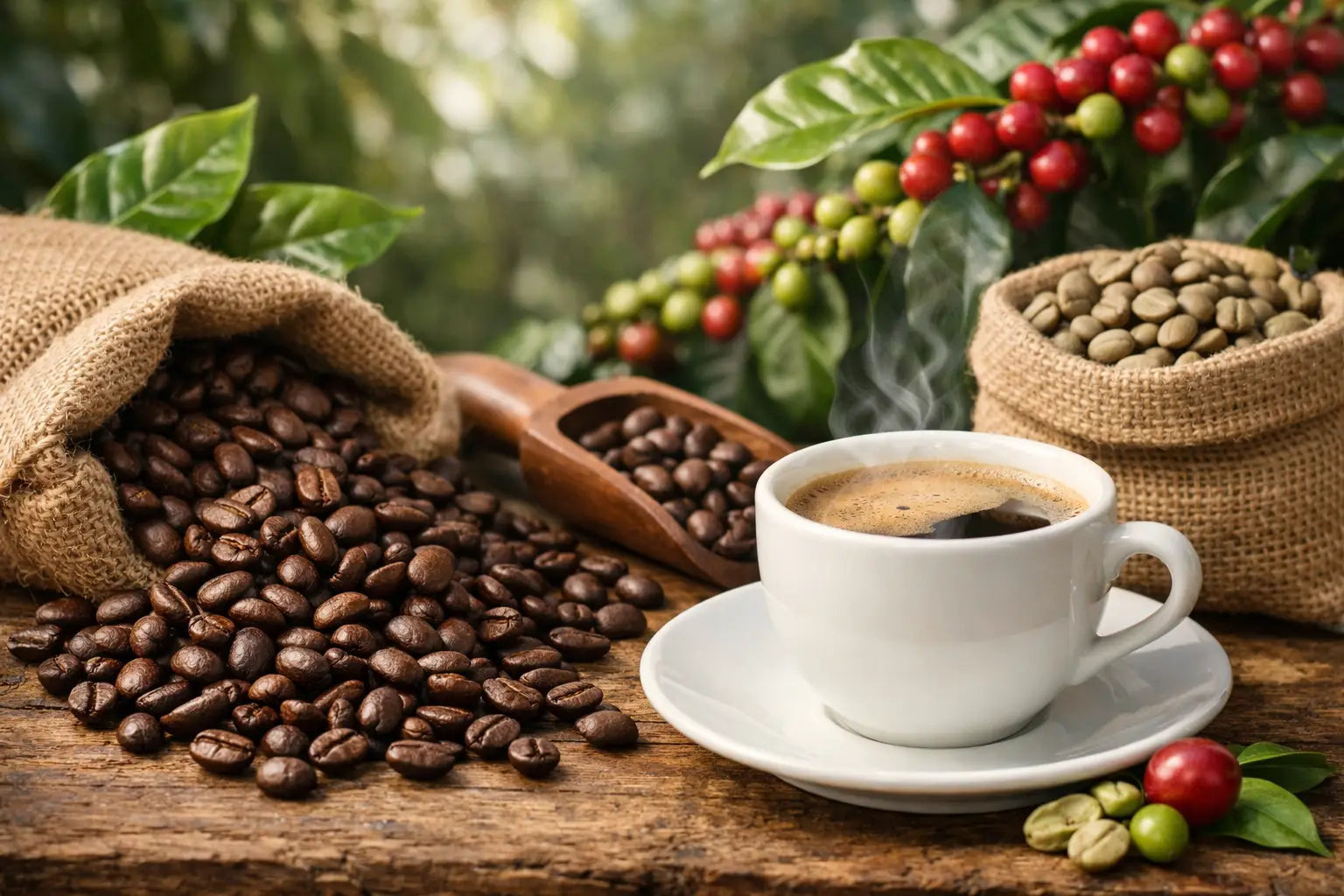
That flat, bitter taste in the bottom of a grocery-store mug is not something you have to accept. USDA certified organic coffee gives you a verified sourcing standard, while fresh specialty roasting gives those carefully grown beans a real chance to shine. The result should be bright, smooth, clean coffee with pure flavor - not a harsh cup you need to hide under cream and sugar.
For coffee drinkers who care where their food comes from, the USDA Organic seal is a meaningful starting point. But the seal alone does not make a coffee exceptional. Bean quality, roast freshness, roast method, and brewing all matter. Here is what organic certification actually tells you, what it does not, and why the right roast turns responsible sourcing into a better daily cup.
What USDA Certified Organic Coffee Really Means
USDA organic certification is a regulated standard, not a loose marketing phrase. For coffee, it means the farm and supply chain meet requirements established through the National Organic Program and are verified by an accredited certifier.
Organic coffee is grown without most synthetic pesticides, herbicides, and fertilizers. It also cannot be produced with genetically modified organisms. Farmers instead rely on practices designed to support healthier soil, including composting, natural pest management, shade cover, and crop diversity where conditions allow.
That matters because coffee is an agricultural product before it is a morning ritual. The choices made on a farm affect the surrounding land, water, workers, and long-term ability of the farm to produce great coffee. Choosing certified organic is one practical way to support a system that sets clearer limits on what goes into the growing process.
For a single-ingredient product like whole-bean or ground coffee, the label is refreshingly straightforward: the coffee itself must meet organic requirements. Certification also involves documentation and handling controls as coffee moves from farm to importer, roaster, and package. A company cannot simply call a coffee organic because it sounds good on a bag.
The Seal Is a Standard, Not a Flavor Guarantee
Organic matters, but it does not automatically mean every bag will taste rich, fresh, or balanced. Coffee can be certified organic and still be old, poorly stored, underdeveloped in the roaster, or roasted so dark that its origin character disappears behind a burnt edge.
This is where coffee buyers deserve to be selective. Look for a roaster that treats organic sourcing as the floor, not the finish line. Specialty-grade beans, careful roast profiles, and roast-to-order production are what turn a good agricultural choice into a cup you look forward to.
It also helps to separate organic certification from other important terms. Organic certification addresses how coffee is grown and handled under USDA standards. It is not the same as Fair Trade, direct trade, shade-grown, bird-friendly, or single-origin. Those labels may speak to different parts of coffee's story, but they are not interchangeable. A coffee can carry one, several, or none of them.
The practical takeaway is simple: choose organic for verified growing standards, then choose a quality-focused roaster for flavor. You do not have to trade a great cup for a principled purchase.
Why Fresh Roasting Changes Organic Coffee
Coffee reaches its peak character after roasting, not after sitting for months on a warehouse shelf. Roasting develops the sugars, aromas, and body inside the bean. Once roasted, coffee gradually loses those volatile aromatics that make a fresh cup smell alive and taste layered.
That is why roast-to-order matters. When coffee is roasted in small batches close to when it ships, more of its natural character makes it to your brewer. A medium roast can show notes of cocoa, caramel, fruit, or toasted nuts without tasting thin. A darker roast can deliver satisfying depth without becoming acrid.
At House of Franks Coffee, 100% USDA certified organic beans are roasted in small batches using precision fluid-bed roasting. Picture a coffee tornado: clean hot air lifts and circulates every bean as it roasts. This method helps create even heat exposure, removes chaff as the roast progresses, and gives the roast team close control over development.
For the person drinking the coffee, the technical benefit is easy to understand: a cleaner, smoother cup with less bitterness. The goal is not to make coffee taste fussy. It is to make a morning cup taste the way it should - fresh, rich, and clear from the first sip to the last.
How to Choose the Right Organic Roast
The best roast is the one that works with how you actually drink coffee. If you drink it black, brew a pour-over, or want a balanced all-day cup, a medium roast is often the sweet spot. It preserves plenty of bean character while building a smooth, approachable body.
If your first cup happens before the rest of the house wakes up, a bright Breakfast Blend can bring a lively start without the sharp, bitter finish common in lower-quality coffee. For a more familiar, fuller profile, choose a darker roast such as French Roast. Done well, it should be bold and smoky with real body, not burnt.
Blends are a strong choice when consistency is your priority. A well-built blend balances beans for a dependable flavor profile across seasons. Single-origin coffees are ideal when you want to taste the personality of one growing region more distinctly. Neither is automatically better. It depends on whether you want a reliable house favorite or a more specific origin experience.
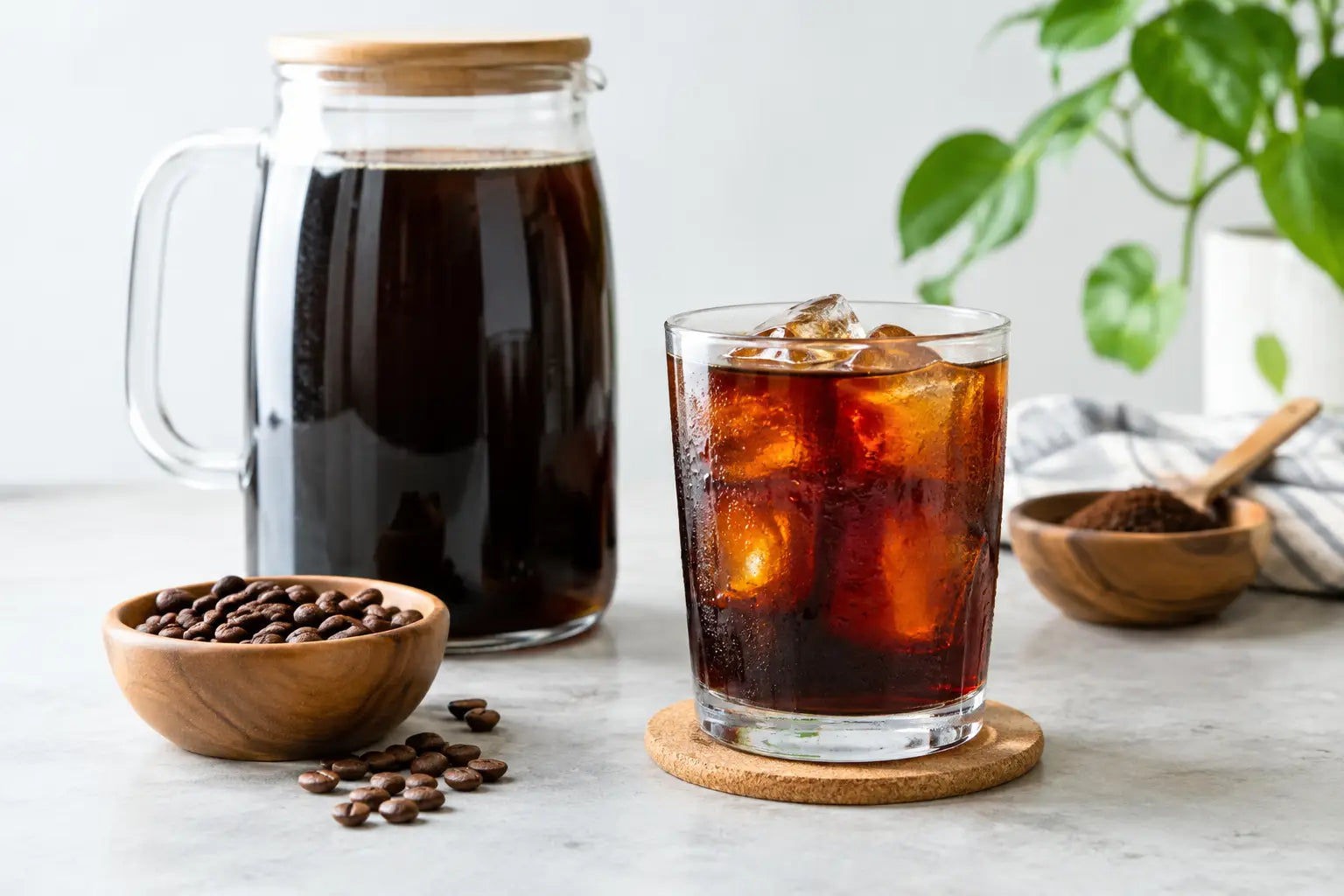
Your brewing method matters, too. Whole beans give you the most control and are worth it if you can grind just before brewing. Organic coffee pods offer speed for busy mornings, while cold brew can produce a naturally mellow, refreshing cup for warmer days. The right format is the one you will enjoy enough to use consistently.
Brew for Smoothness, Not Bitterness
Even excellent USDA certified organic coffee can taste rough when the brewing basics are off. Bitterness is often blamed on the roast when the real issue is over-extraction, stale grounds, or water that is too hot.
Start with fresh water and a clean brewer. Use a burr grinder when possible, and grind immediately before brewing. For most methods, water just off the boil works well, roughly 195 to 205 degrees Fahrenheit. If your coffee tastes sour or weak, try a finer grind or slightly more coffee. If it tastes dry, harsh, or bitter, use a coarser grind, shorten the brew time, or check whether your water is running too hot.
A dependable starting ratio is about 1 gram of coffee for every 16 grams of water. You do not need to turn breakfast into a science project, but a small scoop or kitchen scale can make a dramatic difference in consistency. Once you find the ratio that tastes right in your favorite mug, keep it there.
Storage is equally simple. Keep coffee in an airtight container away from heat, light, and moisture. Skip the refrigerator, where condensation and food odors can interfere with flavor. Buy an amount you can enjoy while it is fresh, then restock rather than building a long-term pantry of forgotten bags.
A Purchase That Carries More Weight
Organic coffee is about more than what is left out of the growing process. It is a vote for farms working within stricter standards and for companies willing to verify their claims. When that coffee is roasted with care and powered by a commitment to renewable, off-grid energy, the choice reaches beyond the cup.
Still, values and flavor should travel together. The coffee in your cabinet needs to earn its place every morning. Choose a roast that fits your routine, brew it fresh, and let the cup be proof that responsible sourcing can taste every bit as good as it feels.