Cart
0
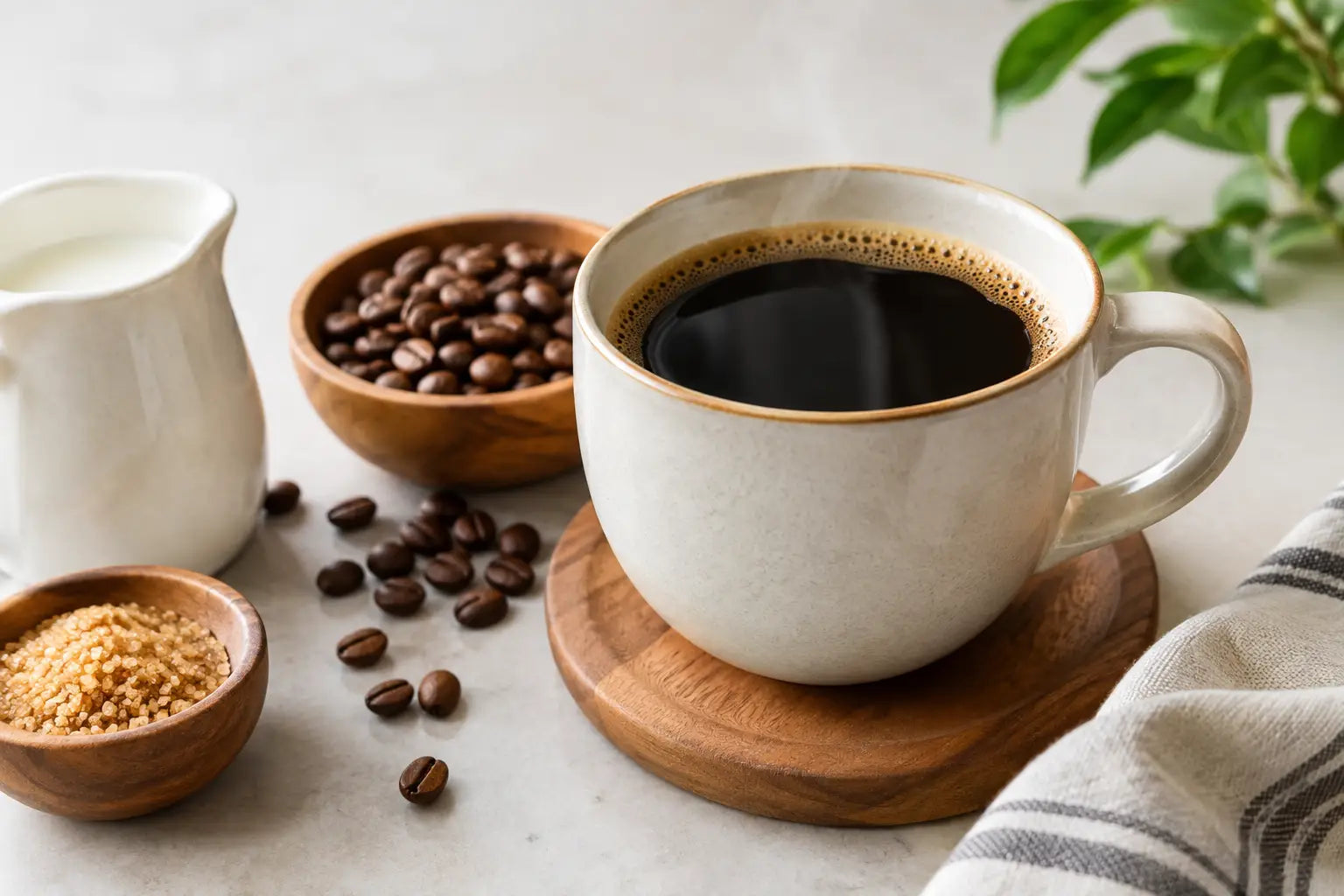
The first sip should wake you up, not make you reach for sugar to cover the harsh edge. Coffee without bitter taste is not a fantasy or a flavor reserved for expensive cafés. It starts with better beans, a cleaner roast, and a few brewing choices that let the coffee's natural character come through.
A smooth cup can still be rich, full-bodied, and deeply satisfying. In fact, the best coffee often has more to say when bitterness is out of the way: cocoa, toasted nuts, caramel, fruit, warm spice, or a crisp, bright finish. The goal is not bland coffee. The goal is pure flavor.
Why Coffee Tastes Bitter
Bitterness is a natural part of coffee, but it should be balanced rather than dominant. Some pleasant bitter notes can add structure to a darker roast, much like dark chocolate. The problem starts when bitterness becomes burnt, dry, ashy, or sharp enough to overwhelm everything else in the cup.
That harshness can begin long before you brew. Coffee is an agricultural product, and bean quality matters. Lower-grade beans, defects, and old crop coffee can bring rough flavors that roasting cannot hide. Freshness matters, too. Coffee that has spent months sitting in a warehouse, on a grocery shelf, or in a cabinet slowly loses its lively aromatics. What remains can taste flat, woody, and unpleasantly bitter.
Roasting has an equally large role. During roasting, sugars and amino acids develop the aromas and flavors that make coffee compelling. Push the beans too far, however, and those sugars break down. The result is often a smoky, charred flavor that gets mistaken for strength. Dark coffee does not have to taste burnt, but an over-roasted coffee almost always will.
Then comes brewing. Water that is too hot, a grind that is too fine, an excessively long brew, or a dirty coffee maker can pull too many bitter compounds from the grounds. Even excellent beans can taste harsh when extraction gets out of control.
Coffee Without Bitter Taste Starts Before the Brewer
The most dependable path to a smoother cup is buying coffee that was roasted with intention and delivered fresh. Look for specialty-grade coffee with a clear roast profile rather than a vague promise of “bold” or “extra dark.” A good roaster should develop the coffee's sweetness and body while protecting the character of the bean.
Organic sourcing is another meaningful choice for people who care about what is in their cup and how it was grown. USDA Certified Organic coffee is produced under standards that prohibit many synthetic pesticides and fertilizers. It does not automatically guarantee a flavor profile, but thoughtful organic sourcing paired with careful roasting can produce a notably clean-tasting cup.
House of Franks Coffee uses precision fluid-bed roasting, where beans move in a coffee tornado of clean hot air. This method keeps beans evenly suspended and helps separate chaff as they roast, reducing the risk of scorched flavors. The practical result is what coffee drinkers actually want: bright, smooth, clean coffee with richness and no unnecessary bitterness.
Freshness is where many home coffee routines lose ground. Buy in amounts you will use within a few weeks after opening, keep the coffee in an airtight container away from heat and direct sunlight, and avoid storing it in the refrigerator. Refrigerators introduce moisture and odor risks. Freezing can work for longer storage when coffee is sealed tightly in smaller portions, but for daily use, a cool, dark cabinet is the simpler answer.
Choose a Roast That Fits Your Taste
If bitterness has been your main complaint, a medium roast is usually a smart place to begin. It often offers the clearest balance of sweetness, body, and origin character. You may find notes like milk chocolate, brown sugar, roasted almond, or ripe fruit without the smoky finish associated with poorly handled dark coffee.
Light roasts can also be remarkably smooth, though they often taste brighter and more acidic. Acidity is not the same as bitterness. A well-brewed light roast may have a crisp apple-like or citrus-like sparkle, while a bitter coffee tends to leave a dry, burnt, or medicinal impression. If you enjoy a lively cup, do not avoid light or breakfast-style roasts simply because they taste different from dark coffee.
Dark roasts are not off limits. A carefully roasted French roast or darker blend can be velvety, deep, and low in bright acidity. The trade-off is that roast-forward flavors naturally become more prominent. Choose a roast described as smooth, cocoa-rich, or clean rather than one marketed only as intense, smoky, or extra strong.
Get the Grind and Ratio Right
A bitter cup is often an over-extracted cup. Put simply, water has taken too much from the grounds. Your grind size and coffee-to-water ratio determine how quickly that happens.
For drip coffee makers, use a medium grind. For a French press, use a coarse grind. For pour-over brewers, start around medium-fine and adjust based on taste. Espresso requires a fine grind, but it also demands more precise dialing in. If your coffee tastes bitter, dry, or harsh, move one step coarser before changing everything else.
A reliable starting ratio for most brewed coffee is 1 gram of coffee for every 16 grams of water. That is about 2 tablespoons of ground coffee per 6 ounces of water, though a scale gives far better consistency. If your cup is bitter and heavy, use slightly more water or slightly less coffee. If it tastes thin, sour, or weak, use a bit more coffee or grind a little finer.
The right adjustment depends on what you are tasting. Bitterness usually suggests over-extraction, while sourness often means under-extraction. It is tempting to solve both by adding cream or sweetener, but a small grind or ratio change can fix the root cause and reveal what the coffee was meant to taste like.
Use Water That Helps, Not Hurts
Coffee is mostly water, so poor water can make a great roast taste disappointing. If your tap water has a strong chlorine smell, metallic taste, or heavy mineral character, use filtered water. You do not need distilled water, which lacks minerals that help coffee taste balanced. Clean, filtered drinking water is usually the best choice.
Water temperature matters as well. For most methods, aim for 195 to 205 degrees Fahrenheit. Water at a full rolling boil can extract aggressively, especially from finer grounds. If you do not have a temperature-controlled kettle, bring water to a boil and let it sit for about 30 seconds before pouring.
Clean equipment belongs in the same conversation. Oils left behind in a coffee pot, grinder, reusable filter, or French press become rancid over time. Those old oils can make fresh coffee taste bitter before the new brew has a chance. Rinse equipment after every use and clean it thoroughly on a regular schedule.
Brew for Smoothness, Not Maximum Strength
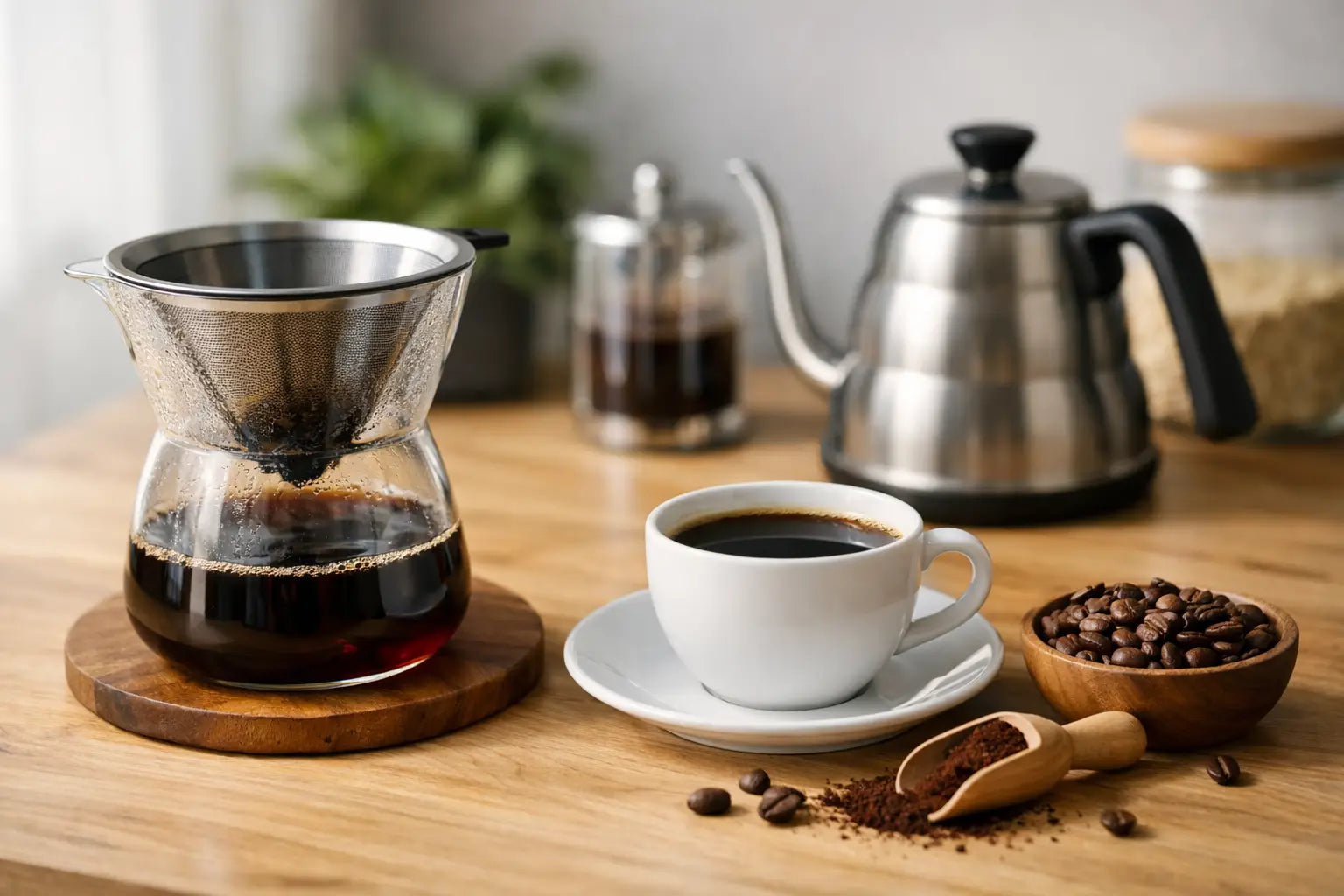
Different brewing methods bring out different sides of coffee. A standard drip brewer is easy and dependable when the machine reaches proper temperature and the basket is not overfilled. Paper filters tend to produce a clean cup because they trap more oils and fine sediment.
A French press creates a fuller, heavier body because its metal filter allows more oils into the cup. This can be delicious, but use a coarse grind and do not let the coffee sit on the grounds after plunging. Four minutes is a solid starting point. If the coffee seems bitter, shorten the brew slightly or grind coarser.
Pour-over brewing rewards attention with clarity and sweetness. Pour steadily, avoid flooding the bed, and keep the total brew time reasonable for your brewer and dose. A slow drawdown can mean the grind is too fine, which can lead to bitterness.
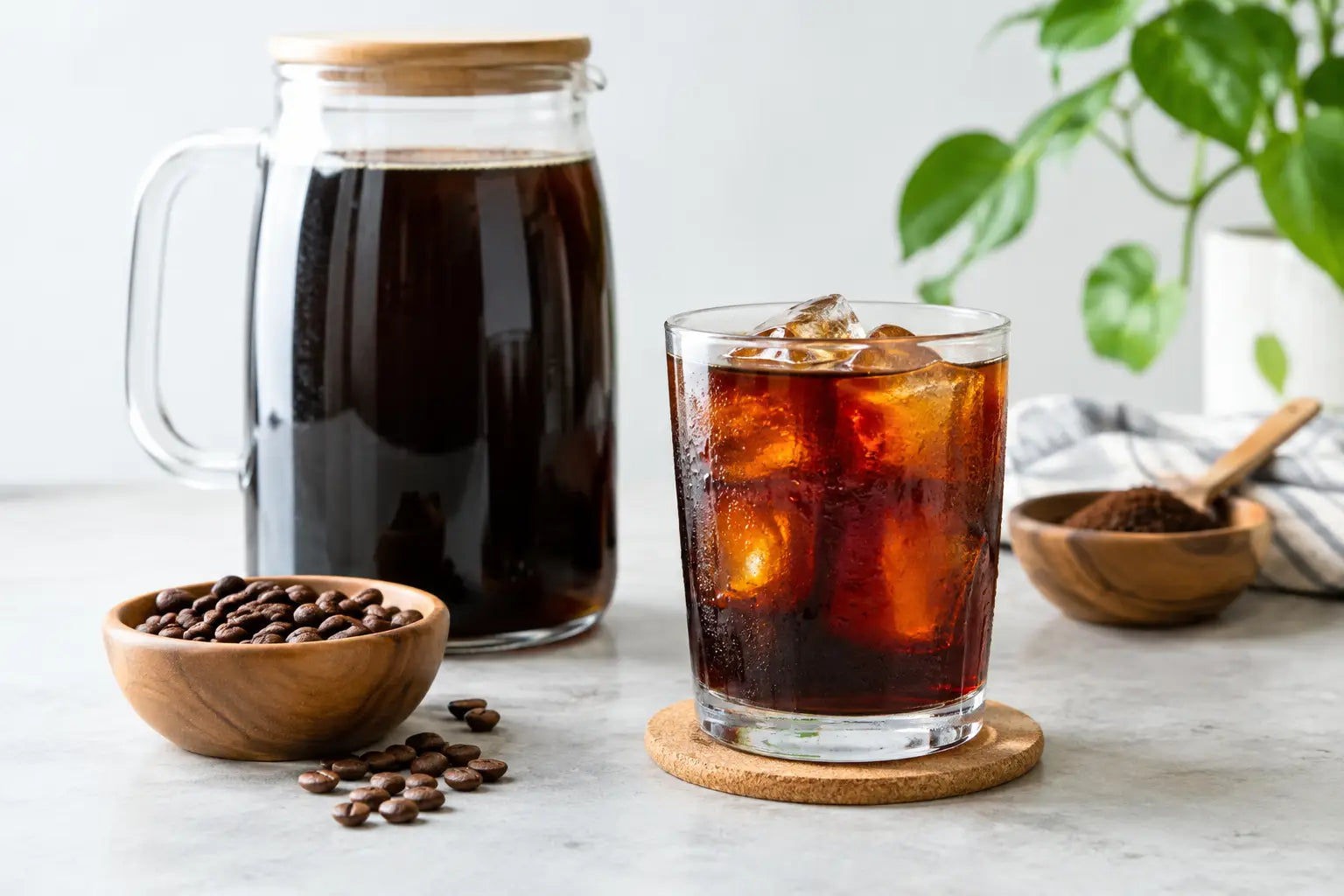
Cold brew is an excellent choice for anyone who wants an especially mellow profile. Because it uses cool water and a long extraction, it often produces low-acid, chocolatey coffee with a naturally soft finish. It is not automatically better than hot coffee, but it can be a welcome option for sensitive palates or warm afternoons.
Stop Treating Bitterness as Inevitable
Many people grow up believing coffee is supposed to be harsh. That assumption is good news for stale, over-roasted coffee, because it lowers expectations. But bitterness is not a requirement for a cup that feels strong. Strength can come from concentration, body, and flavor depth. Smooth coffee can still carry you through an early shift, a packed workday, or a slow Sunday morning.
Start with fresh, carefully roasted beans. Use clean filtered water, match the grind to your brewer, and make one adjustment at a time. When your coffee tastes like the bean instead of the burn, you will not need to hide it. You will want to take a second sip and notice what is there.