Cart
0
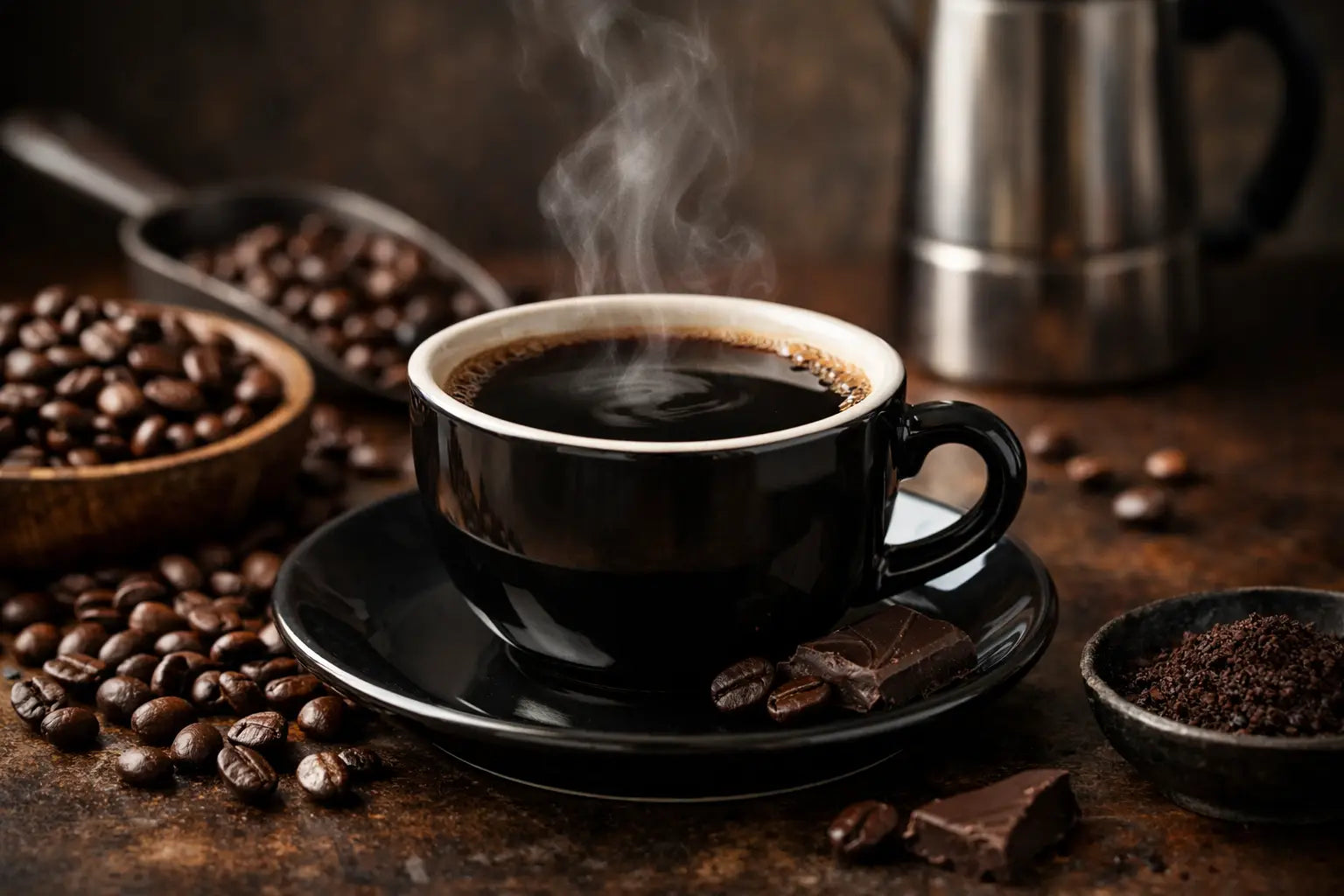
A French roast should taste dark and satisfying, not like a burned pan. The best French roast flavor profile brings deep roast character forward while leaving room for a clean finish - the kind of full-bodied cup that holds up to a splash of cream, stands tall as black coffee, and still gives you a reason to take another sip.
For coffee drinkers who have been let down by harsh grocery-store dark roasts, the difference comes down to control. Dark coffee has bold flavors by design. Bitterness, ashiness, and stale aftertaste are not requirements.
What Is a French Roast?
French roast is one of the darker traditional roast levels. Beans are roasted well beyond the point where light-roast fruit notes and much of the origin-specific acidity are front and center. As the roast develops, the coffee becomes darker in color, its surface may show oil, and the flavor shifts toward deeper, more caramelized territory.
That does not mean every French roast tastes identical. Bean variety, growing region, processing method, freshness, and roast technique all shape the final cup. But the familiar expectation is clear: a dark, rich coffee with pronounced roasted character and a fuller feel on the palate.
French roast is often confused with espresso roast or Italian roast. There is overlap because all can be dark, but roast names are not rigid universal standards. One roaster's French roast may land slightly darker or lighter than another's. The flavor in your mug matters more than the label alone.
The French Roast Flavor Profile, Cup by Cup
A well-made French roast opens with deep notes rather than sharp acidity. Think dark chocolate, toasted nuts, cocoa powder, browned sugar, and a touch of molasses. Depending on the beans and roast development, you may also notice a pleasant smoky edge or a baker's-caramel quality.
The body is usually fuller than a light or medium roast. It can feel round, weighty, and lingering, especially when brewed as drip coffee, French press, or espresso. This is why dark roasts remain a favorite for drinkers who want their coffee to feel substantial before the first bite of breakfast.
Acidity is typically lower in perception than in a bright, lightly roasted coffee. That can make French roast appealing to people who prefer less tang and more depth. Still, lower perceived acidity does not automatically mean a flatter cup. When the roast is handled with precision, the coffee can remain lively and clean instead of heavy or dull.
The finish is where quality becomes obvious. A good French roast leaves cocoa-like depth and a pleasant roast sweetness behind. A poor one leaves char, smoke, and a dry, bitter coating on the tongue. Those are two very different experiences, even when both bags say “dark roast.”
What French Roast Should Not Taste Like
Dark roasting creates more intense roasted flavors, so a little smokiness can be welcome. But excessive smoke, acrid ash, rubbery notes, or a scorched finish signal that the roast has gone too far or was not managed carefully.
Bitterness can also be misunderstood. Coffee naturally contains compounds that can taste pleasantly bitter, much like dark chocolate. The problem is aggressive bitterness that overwhelms every other flavor. It masks the bean, makes black coffee difficult to enjoy, and often sends people reaching for extra sugar or flavored creamers just to cover it up.
A clean French roast gives you the depth you came for without punishing your palate for choosing a darker cup.
Why Dark Roasts Can Turn Bitter
French roast lives close to a line. Roast long enough to build its signature dark chocolate and toasted character, and the cup becomes rich and comforting. Push the beans beyond their ideal development, and those flavors can tip into carbonized, one-dimensional bitterness.
The beans matter first. Specialty-grade coffee provides a stronger foundation because defects can become especially obvious at darker roast levels. Freshness matters too. Coffee that sits too long after roasting or packaging loses aromatic detail, leaving a flatter, duller impression that people may mistake for “strong.”
Then there is heat control. Uneven roasting can leave some beans underdeveloped while others are overdone. The result is a confused cup: sharp and grassy in one sip, burnt in the next. Mass production often favors speed and scale. A better French roast demands attention to how heat moves around every bean.
Precision Air Roasting Makes the Difference
At House of Franks Coffee, precision fluid-bed roasting uses a powerful stream of clean hot air to suspend coffee beans in motion - a coffee tornado. Rather than sitting against a hot metal surface, the beans circulate through the roast chamber as heat reaches them more evenly.
That movement helps the roast develop with greater consistency and gives chaff a cleaner path away from the beans. For dark roasts, that control is especially valuable. It supports the rich, developed flavor French roast drinkers want while reducing the risk of the harsh, smoky character that can come from uneven heat or over-roasting.
The goal is simple: dark coffee with pure flavor. A French roast can be bold without tasting burned, and full-bodied without turning muddy. Roast-to-order small batches help preserve the fresh aromatics that make that difference noticeable from the first opened bag to the final brewed cup.
How to Brew French Roast for Its Best Flavor
French roast is forgiving in many brewers, but the wrong recipe can still pull too much bitterness from a dark coffee. Water that is extremely hot, a grind that is too fine, or an overly long brew time can make even excellent beans taste rough.
For automatic drip coffee, start with a medium grind and use fresh, filtered water. A practical baseline is about 1 to 2 tablespoons of ground coffee for every 6 ounces of water, then adjust for your preferred strength. If the cup tastes bitter or dry, use a slightly coarser grind or reduce the coffee's contact time where your brewer allows it.
In a French press, a coarse grind helps keep the texture smooth and reduces sediment. Steep for about four minutes, then press slowly and pour promptly. Letting brewed coffee sit on the grounds too long can add unwanted bite.
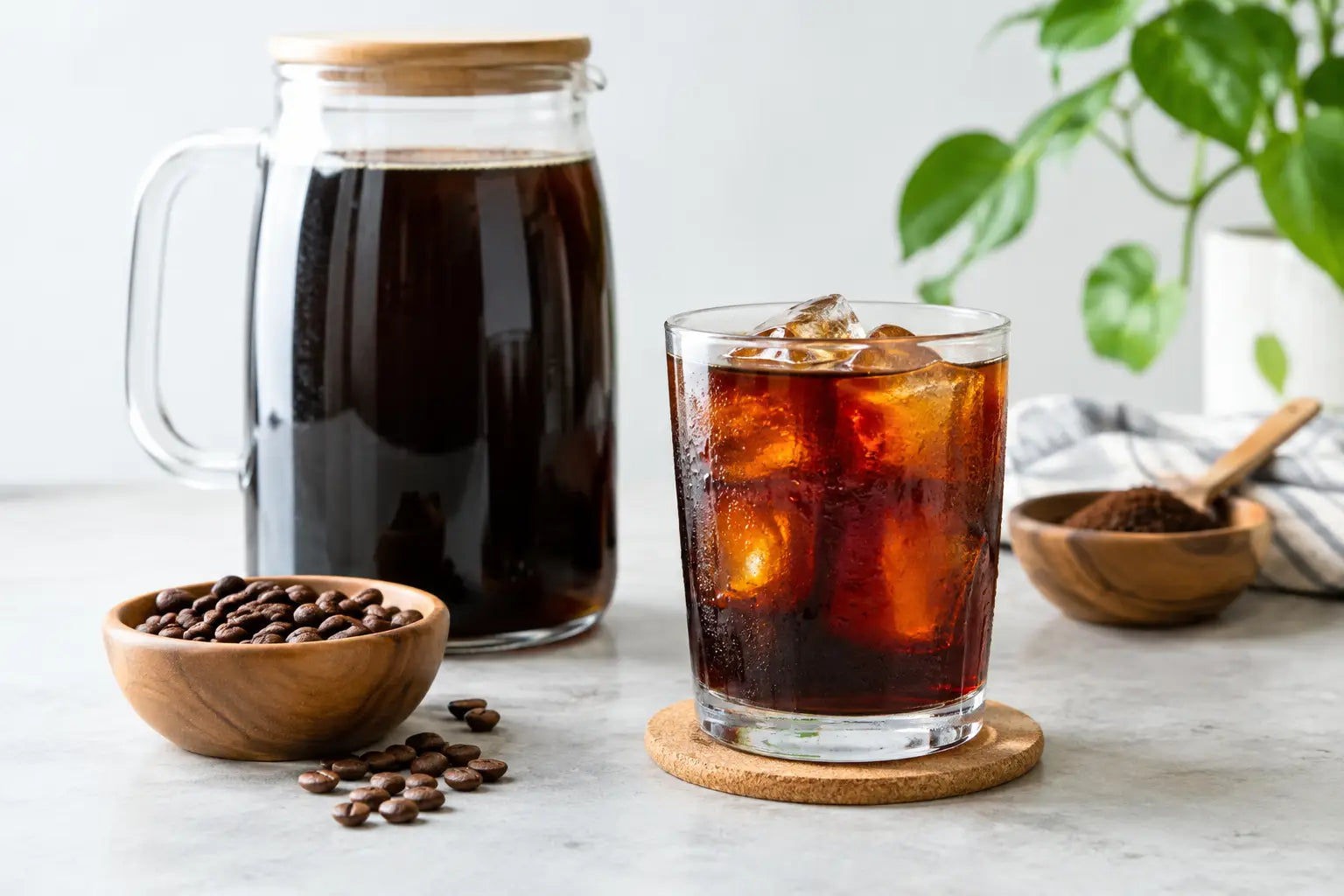
French roast also makes a natural fit for espresso-style drinks and cold brew. Espresso highlights its dark chocolate body and stands up well to milk. Cold brew softens the roast edge and can bring out a mellow cocoa character. Neither approach is automatically better. Choose espresso when you want intensity and structure; choose cold brew when you want a smoother, lower-acid-feeling drink.
Black, With Cream, or Sweetened?
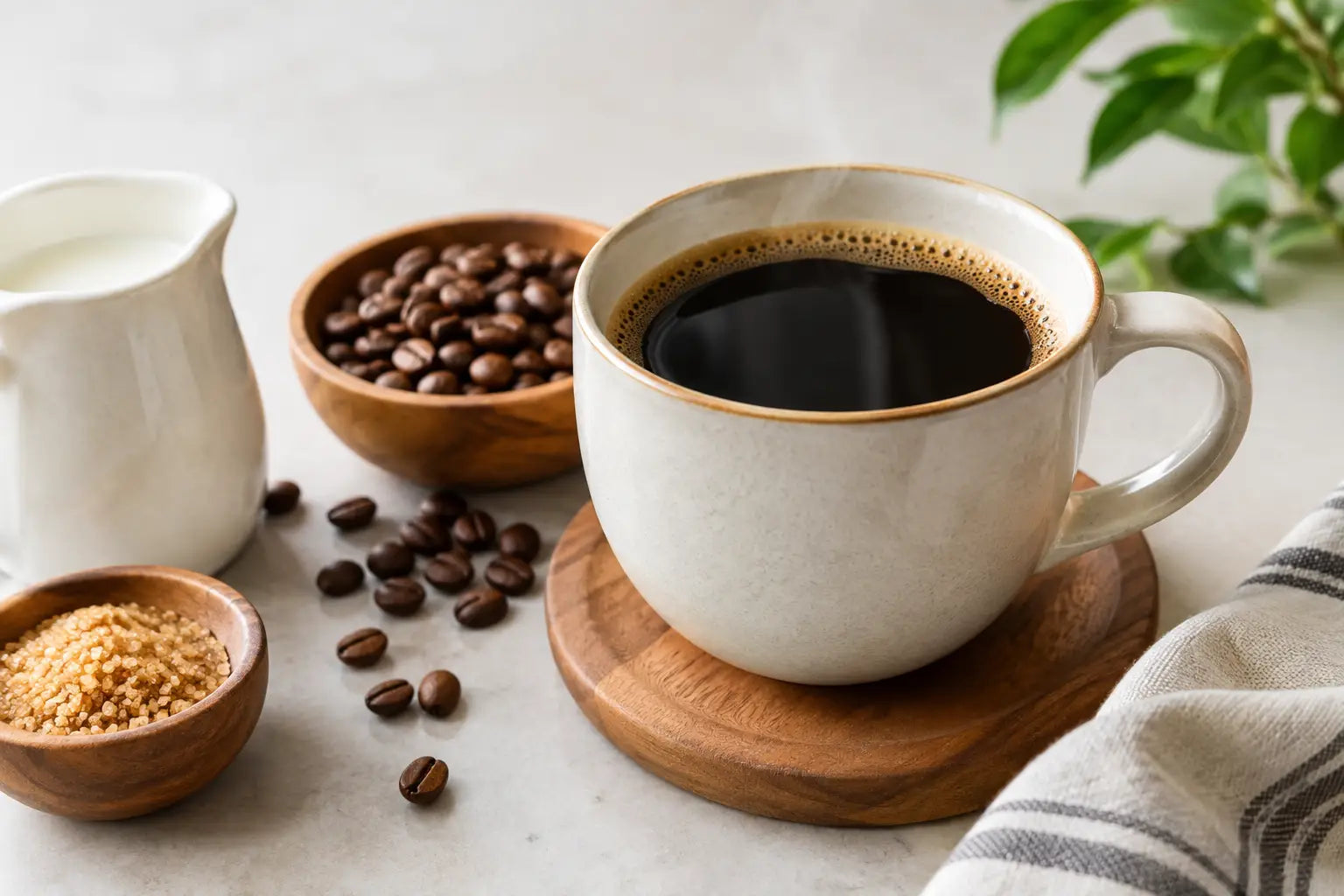
A clean French roast earns a chance to be tasted black first. That is the clearest way to notice its cocoa, toasted nut, and caramelized depth. If you enjoy cream, French roast has enough body to carry it without disappearing. A little milk can round out its smoky notes and create a dessert-like dark chocolate impression.
Sweetener is a matter of preference, not a test of coffee knowledge. Still, if you routinely need a heavy hand with sugar to make dark coffee palatable, the roast may be delivering more harshness than flavor. A smoother French roast lets you decide what to add because you enjoy the ritual, not because you need to rescue the cup.
Is French Roast Right for You?
Choose French roast if you want a coffee that feels bold, dark, and grounded. It is particularly satisfying for fans of dark chocolate, toasted flavors, rich body, and lower perceived brightness. It can also be an easy move for anyone stepping away from stale, bitter supermarket dark roast but not ready to give up the deeper flavor they love.
If you prefer citrus, berry, floral aromas, or crisp acidity, a lighter roast may suit you better. That is not a quality issue. It is a flavor preference. French roast deliberately puts roast-driven depth ahead of delicate origin notes.
The right dark roast should make your morning feel more certain, not more complicated. Look for fresh, organic coffee roasted with enough care to keep the cup dark, smooth, clean, and unmistakably coffee.