Cart
0
A light roast can taste brighter and a medium roast can taste richer, but light vs medium roast caffeine is not the simple contest many coffee drinkers expect. Roast level affects a bean’s weight, density, and flavor dramatically. Its effect on caffeine is much smaller. If you want a reliably stronger cup, how you measure and brew your coffee usually matters more than whether the beans are light or medium.
Does Light or Medium Roast Have More Caffeine?
For an equal weight of ground coffee, light and medium roasts have very similar caffeine levels. Caffeine is remarkably stable through the roasting process, especially across the light-to-medium range. A medium roast does not suddenly lose its caffeine just because it spends longer in the roaster.
The difference becomes more noticeable when coffee is measured by volume, such as a scoop. Light-roasted beans are denser because they have spent less time expanding and losing moisture during roasting. A scoop of light-roasted coffee can therefore contain slightly more coffee by weight than the same scoop of medium roast. More coffee in the scoop can mean slightly more caffeine in the cup.
That is the source of the familiar claim that light roast has more caffeine. It is not entirely wrong, but it needs context. The answer depends on whether you measure beans by weight or by scoop, and on the recipe in your brewer.
Why Roast Level Changes Weight More Than Caffeine
Green coffee beans contain water and other compounds that change under heat. As beans roast, they lose moisture, expand in size, and become less dense. The longer they roast, the more pronounced those physical changes become.
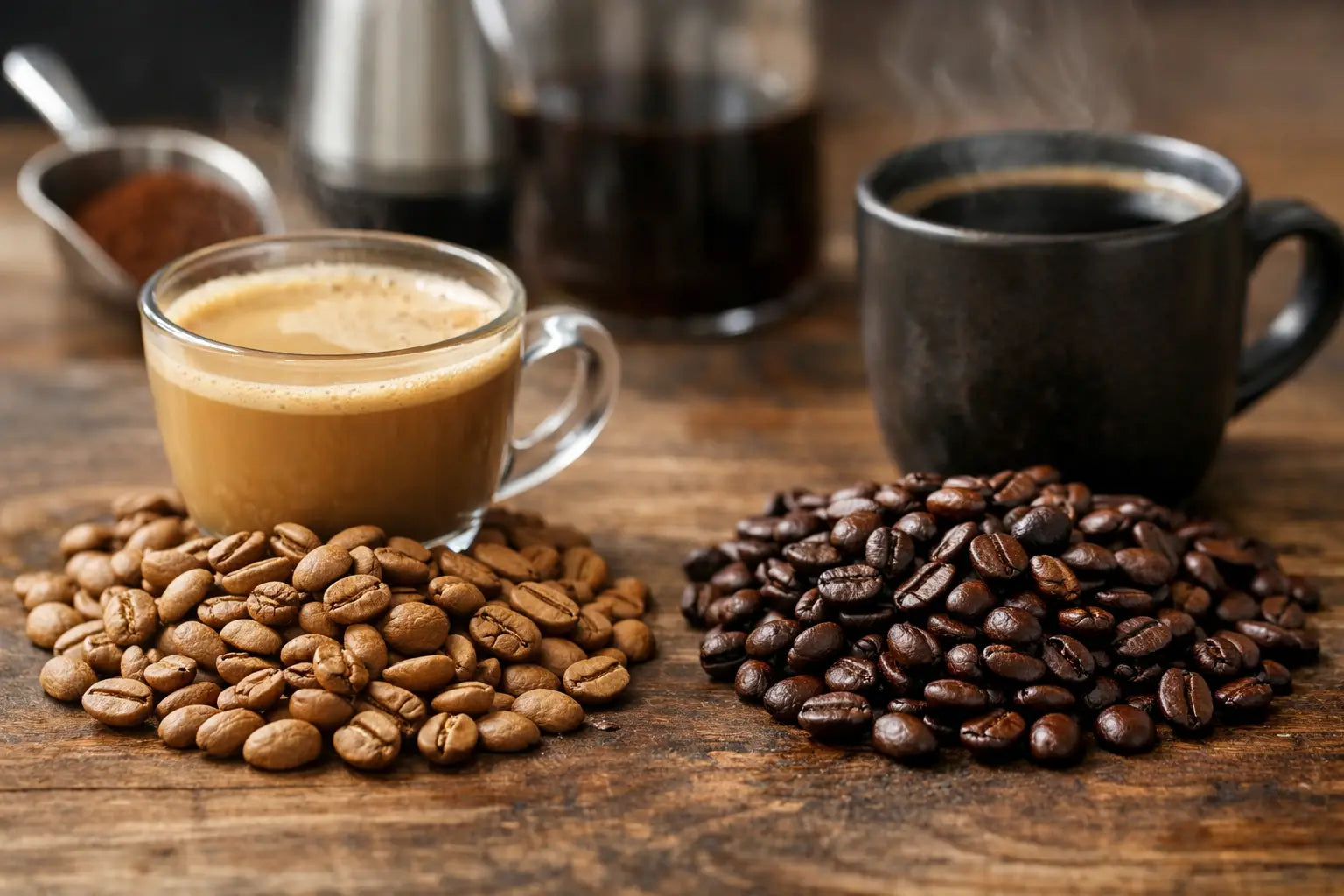
Light-roasted beans are typically smaller, denser, and heavier than medium-roasted beans of the same origin. Medium beans have developed further, with more caramelized sweetness and a rounder body. Both can make an exceptional cup when roasted with precision, but they do not fill a measuring scoop in exactly the same way.
Picture two scoops that look equally full. The scoop of denser light roast may weigh a little more, which means it may deliver a little more caffeine. Put 20 grams of each roast into your brewer, however, and the caffeine gap is generally minimal.
This is one reason a scale is one of the most useful tools in home coffee brewing. It removes the guesswork created by bean size, density, and an uneven scoop. You get a repeatable cup, whether your preference is crisp and lively or smooth and balanced.
Light vs Medium Roast Caffeine by Brewing Method
Brewing method has a bigger influence on the caffeine you consume than the light-versus-medium decision. Caffeine must be extracted from the grounds into water, and extraction changes with contact time, grind size, water temperature, and the coffee-to-water ratio.
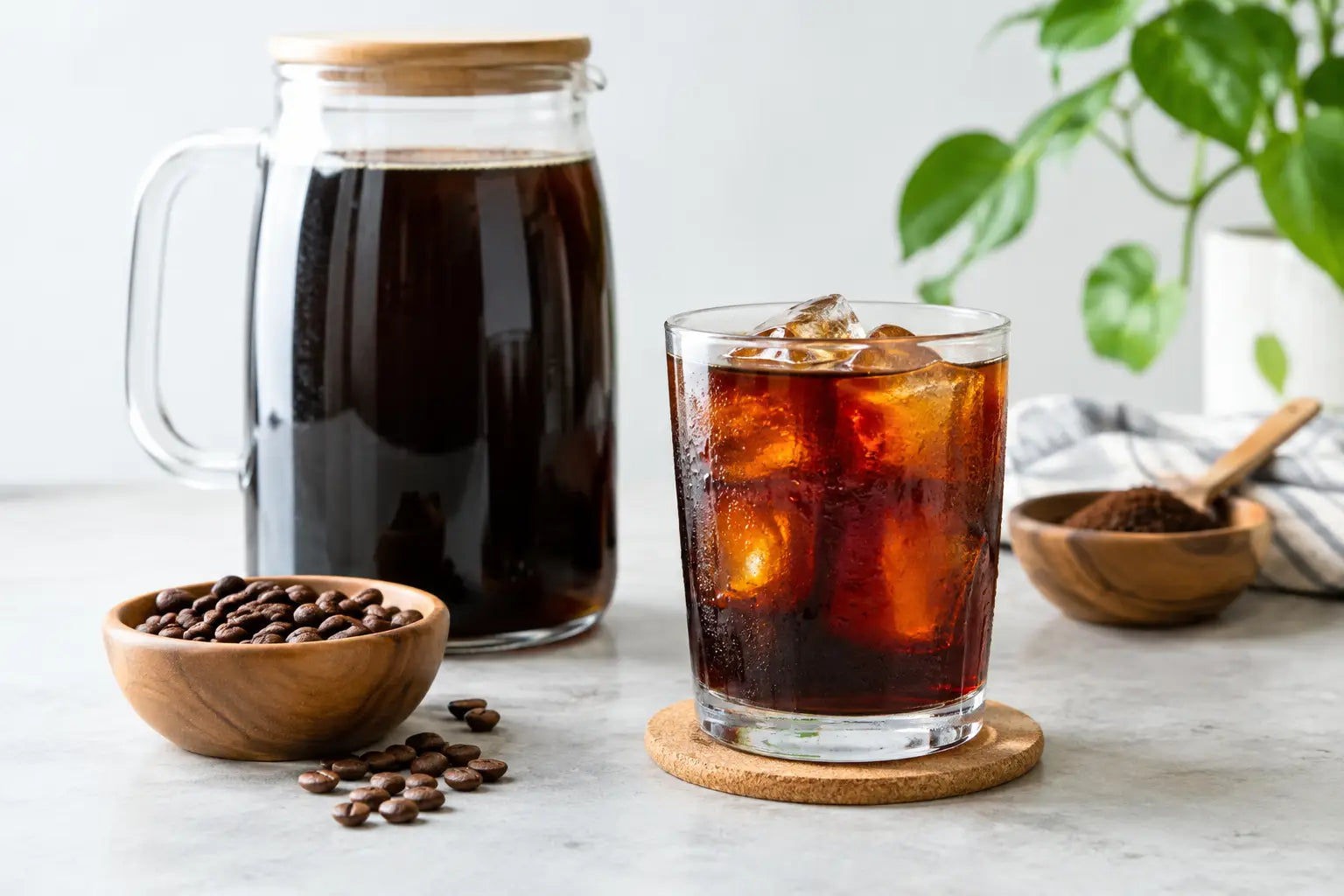
A large mug of drip coffee often contains more total caffeine than a single espresso, even though espresso tastes more concentrated. That is mostly because the drip coffee serving is much larger. Cold brew can also deliver a serious caffeine hit, especially when it is made as a concentrate and diluted lightly.
Your dose matters just as much. Using 24 grams of coffee instead of 18 grams will usually have a clearer caffeine effect than switching between a well-roasted light coffee and a well-roasted medium coffee. Brew time and grind can shift the result, too. Very coarse grounds brewed briefly may leave more caffeine behind than a properly extracted recipe.
For a strong but clean daily cup, start by choosing a dose you can repeat. A practical baseline for drip coffee is about 1 gram of coffee for every 16 to 18 grams of water. Adjust from there based on flavor and the strength you want. If your cup tastes thin, add a little more coffee before assuming you need a darker or lighter roast.
Bean Variety Can Matter More Than Roast Color
Not every coffee starts with the same caffeine potential. Arabica and robusta are the clearest example. Robusta commonly contains substantially more caffeine than arabica, often close to twice as much. Most specialty coffees sold for their nuanced flavor are arabica, while some blends use robusta for extra intensity, body, or caffeine.
Origin, growing conditions, processing, and bean size can create smaller differences as well. Those factors are real, but they are hard to judge from a roast label alone. A bag marked light roast tells you about its roast development and likely flavor direction. It does not provide a precise caffeine number.
That is why roast names should not be treated as caffeine ratings. Breakfast Blend, medium roast, and single-origin light roast can all deliver a satisfying morning lift. The best choice depends on the cup you enjoy enough to brew consistently, not on a tiny theoretical caffeine edge.
Choose Light Roast for Brightness, Medium for Balance
Caffeine may be close, but flavor is where light and medium roasts truly separate.
A well-crafted light roast preserves more of the coffee’s natural character. Depending on the bean, expect lively fruit notes, floral aromas, citrus-like brightness, or a tea-like finish. It can be a great fit for pour-over drinkers and anyone who wants to taste the distinctive personality of a single-origin coffee.
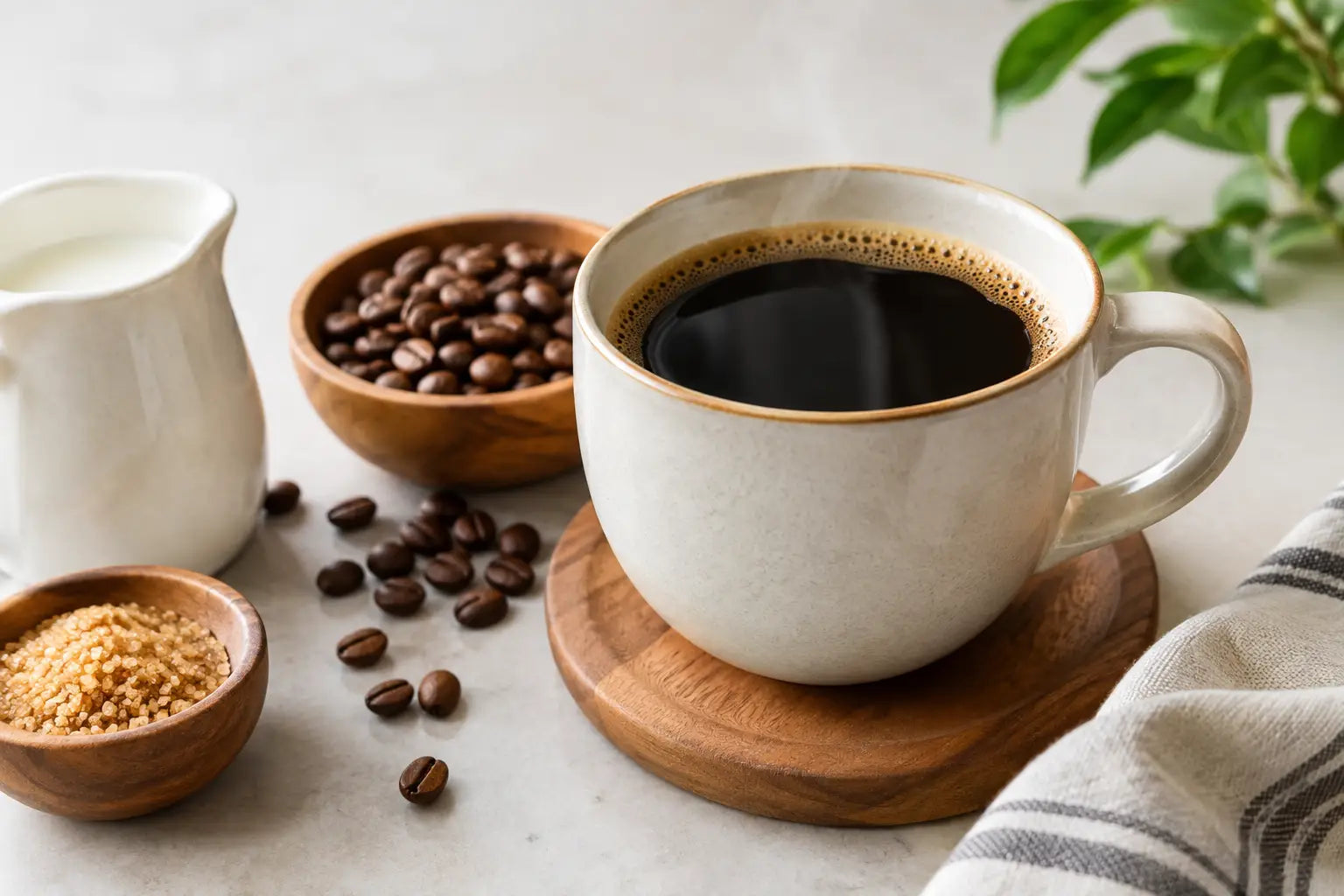
A medium roast moves further into developed sweetness and fuller body while still leaving room for the bean’s origin character. Many coffee drinkers find it especially versatile: comfortable black, forgiving with a splash of milk, and dependable in a drip brewer, press, or coffee maker. It often delivers notes of chocolate, caramel, toasted nuts, and a smooth finish.
Neither roast should be bitter by default. Bitterness usually comes from over-roasting, poor-quality beans, stale coffee, or brewing too aggressively. Fresh, organic specialty beans roasted carefully can be bright without being sharp and rich without being heavy. At House of Franks Coffee, precision fluid-bed roasting keeps the beans moving in a coffee tornado of clean hot air, helping create a cup that is smooth, clear, and free of the harsh, smoky edge people often associate with roasted coffee.
How to Get the Caffeine Level You Actually Want
If your goal is more caffeine, make the adjustment that has the most impact: use a slightly larger coffee dose. Keep the change modest, perhaps 2 to 4 extra grams per cup, and taste the result. More grounds add caffeine, but they also make the cup stronger and can create dryness if the recipe becomes unbalanced.
If you want a gentler cup, use fewer grounds, choose a smaller serving, or dilute a concentrated brew with hot water. Avoid assuming medium roast is low caffeine or light roast is automatically high caffeine. Those labels describe flavor development far more reliably than stimulation.
For households with different preferences, keeping both roasts on hand is a smart solution. Brew a bright light roast when you want detail and energy in the cup. Reach for a medium roast when you want a fuller, smoother everyday coffee. Use the same measured dose for both, then compare them honestly.
The Freshness Factor Is Worth Your Attention
Fresh coffee will not necessarily contain more caffeine than stale coffee, but it will taste markedly better. As roasted coffee sits, aromatic compounds escape and oxidation dulls the cup. Coffee can become flat, papery, or harsh long before it looks different in the bag.
Freshness also affects how easily you can judge your recipe. A stale coffee may taste weak or unpleasant, tempting you to add more grounds or overextract it. With roast-to-order coffee and a consistent brew ratio, you can separate flavor preference from brewing problems. That makes it easier to find the dose and roast profile that genuinely suit your routine.
The better question is not which roast wins on caffeine. It is which fresh, carefully roasted coffee makes you look forward to the next cup. Measure it well, brew it with intention, and let flavor lead the way.