Cart
0
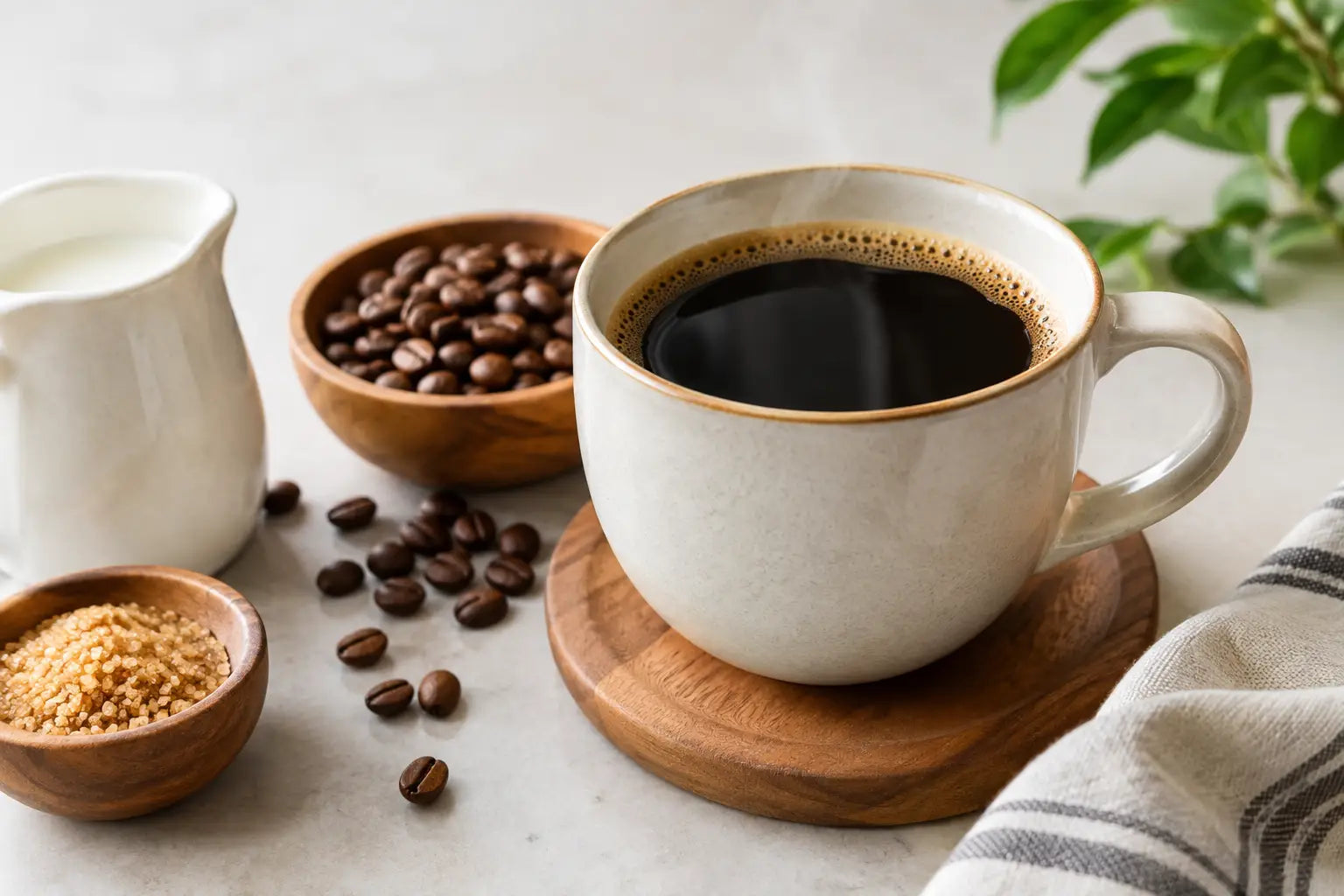
That sharp, dry finish that makes you reach for cream and sugar is not simply “strong coffee.” If you have wondered why coffee tastes bitter, the answer is usually hiding somewhere between the bean, the roast, and the way the cup was brewed. A good cup can be full-bodied and rich without tasting burnt, harsh, or punishing.
Some bitterness is part of coffee’s natural flavor structure, much like the pleasant bitterness in dark chocolate. Too much is different. It can flatten sweetness, cover up origin character, and turn a promising morning ritual into something you tolerate rather than enjoy.
Why Coffee Tastes Bitter: The Short Answer
Coffee tastes bitter when compounds associated with bitterness become too dominant. That can happen because beans were roasted too dark, brewed too aggressively, ground incorrectly, stored too long, or made with water that throws the balance off. Low-quality or defective beans can also bring a woody, rubbery, or acrid bitterness that no amount of careful brewing will fully hide.
The good news is that bitter coffee is not a mystery, and it is not the price you have to pay for a bold cup. Small changes can reveal more sweetness, brightness, and clean flavor from the same morning brew.
Roast Level Can Make or Break the Cup
Roasting transforms green coffee into the aromatic beans in your bag. It develops sweetness, body, and the familiar flavors people expect from coffee. But roasting is a narrow window. Push beans too far, and the sugars and delicate flavor compounds begin to break down. The result can taste smoky, ashy, charred, or bitter.
Dark roasts are not automatically bad. A well-crafted dark roast can be deep, smooth, and satisfying. The trade-off is that darker roasting naturally reduces the bean’s original fruit, floral, or caramel-like character. When roasting lacks precision, that trade-off becomes harshness.
This is where roasting method matters. In fluid-bed air roasting, beans move in a controlled “coffee tornado” of clean hot air. Chaff is separated during the roast, and heat reaches the beans more evenly than it can in many conventional systems. The goal is not merely a darker-looking bean. It is a clean, developed roast with flavor that stays present after the first sip.
House of Franks Coffee uses precision fluid-bed roasting to bring out smoothness and richness while avoiding the bitter, scorched edge many coffee drinkers have learned to expect.
Over-Extraction Is a Common Brewing Problem
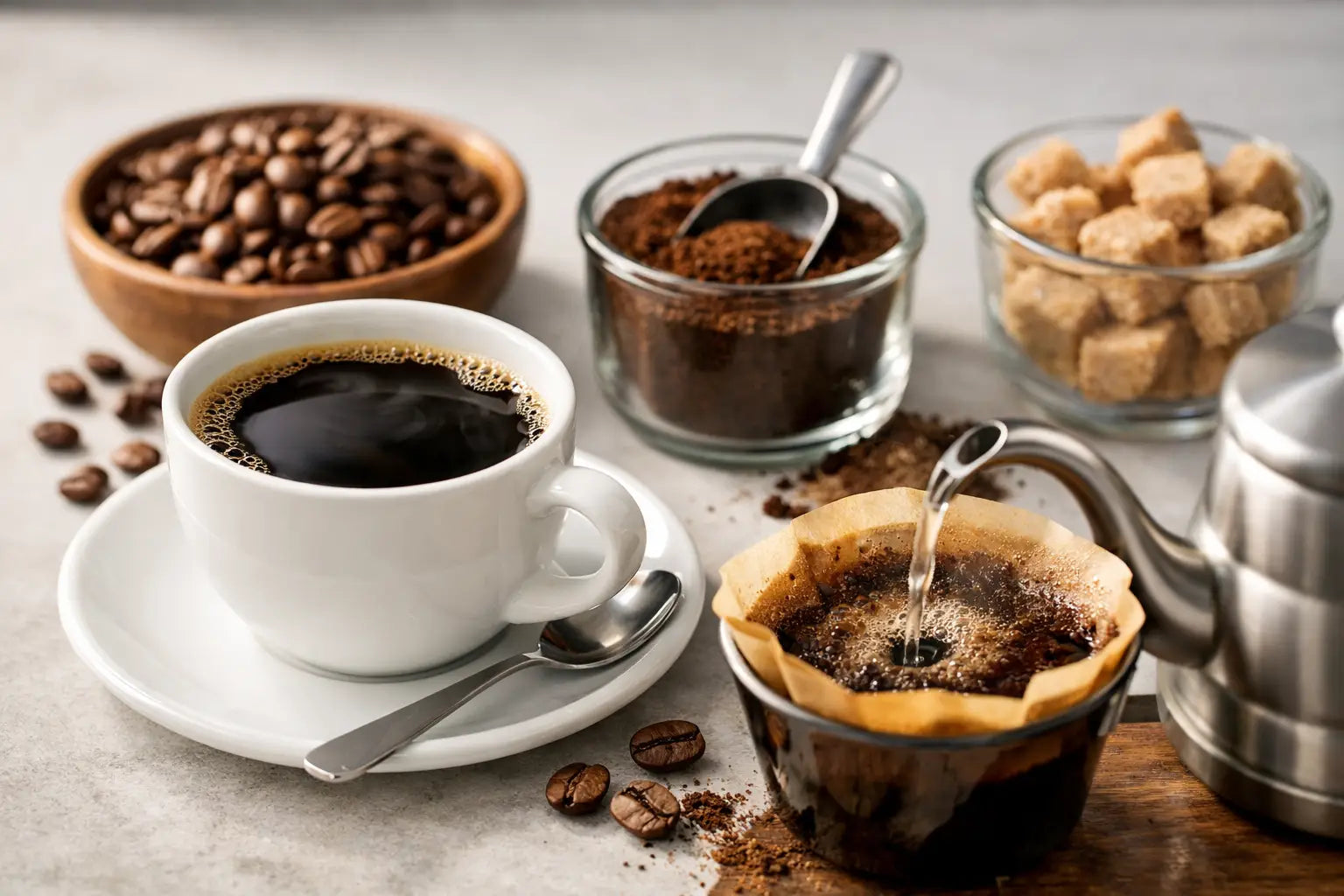
Even excellent beans can turn bitter when they are over-extracted. Extraction is the process of water dissolving flavor from ground coffee. Early in a brew, water pulls bright acids and lively aromas. Then come sweetness and balance. If brewing continues too long or water moves too slowly, it begins drawing out more drying, bitter compounds.
Over-extraction often shows up as a finish that feels rough on the tongue. The coffee may taste hollow, overly dark, or oddly astringent, like strong black tea steeped too long.
Your Grind May Be Too Fine
A very fine grind creates more surface area, which makes extraction happen faster. It is useful for espresso, where water touches coffee only briefly under pressure. But use an espresso-fine grind in a drip brewer or French press, and the water can pull too much from the grounds.
If your coffee tastes bitter, try grinding a little coarser. For drip coffee, the texture should generally resemble granulated sugar. For a French press, aim closer to coarse sea salt. Make one small adjustment at a time so you can taste what changed.
Water Temperature Can Pull Too Much
Water that is too hot can make bitterness more noticeable, particularly with dark-roasted coffee or a fine grind. For most brewing methods, water between 195 and 205 degrees Fahrenheit is a solid range. If you do not use a temperature-controlled kettle, bring water to a boil and let it rest for about 30 seconds before brewing.
Going cooler is not always better. Water that is too cool can leave coffee sour, thin, or underdeveloped. The goal is balance, not a hard rule. A medium roast may shine near the middle of that range, while a darker roast can benefit from slightly cooler water.
Brewing Too Long Changes Everything
A French press left steeping for eight minutes, a drip machine that runs unusually slowly, or a pour-over with a stalled filter can all create bitterness. For a French press, start around four minutes. For pour-over, follow the timing recommended for your dripper and adjust grind size if the brew runs much longer than expected.
With automatic brewers, a dirty basket or mineral buildup can slow the flow. If your coffee suddenly tastes harsher than normal, clean the equipment before blaming the beans.
Stale Coffee Can Taste Flat, Harsh, and Bitter
Freshness is one of coffee’s biggest flavor advantages. After roasting, coffee releases carbon dioxide and gradually loses volatile aromatic compounds. Over time, the cup becomes less lively. Sweetness fades, nuanced flavors disappear, and bitterness can seem louder because there is less balance around it.
This is why roast-to-order coffee makes such a noticeable difference. Freshly roasted beans give you more aroma, more flavor clarity, and a fuller experience before you add anything to the cup.
Buy amounts you can use within a few weeks after opening. Keep coffee in an airtight container, away from heat, sunlight, and moisture. A kitchen cabinet is usually better than a counter beside the stove. Avoid storing daily-use coffee in the refrigerator, where condensation and food odors can compromise flavor.
Grinding just before brewing also helps. Whole beans retain their character longer, while ground coffee exposes far more surface area to oxygen. If pre-ground coffee is your practical choice, keep it tightly sealed and use it promptly.
Water Quality Has More Influence Than Most People Think
Coffee is mostly water, so water quality has a direct impact on taste. Water with heavy chlorine, strong mineral content, or off flavors can make a clean coffee taste dull or unpleasant. Very hard water can also interfere with extraction, sometimes pushing the cup toward a chalky or bitter profile.
Filtered water is a simple upgrade for most homes. You do not need distilled water, which lacks the minerals coffee needs for balanced extraction. You want clean, good-tasting water with moderate mineral content.
If your tap water tastes fine cold but your coffee tastes bitter, do not rule it out. Heating can make certain flavors more obvious. Brew one cup with filtered water and compare it side by side. The difference can be immediate.
Your Coffee-to-Water Ratio May Be Too Heavy
Making coffee stronger by adding extra grounds can create an intense cup, but it can also magnify bitterness. Strength and extraction are related, yet they are not the same thing. A strong coffee can still be smooth. A weak coffee can still be over-extracted and bitter.
A dependable starting point is about 1 gram of coffee for every 16 grams of water. In everyday kitchen terms, that is roughly 2 tablespoons of ground coffee for every 6 ounces of water, though a scale delivers more consistent results. From there, adjust based on taste.
If the coffee is bitter and heavy, use slightly fewer grounds or a bit more water. If it tastes sour or watery, increase the coffee dose a little, use a finer grind, or extend brewing time modestly. Change only one variable per brew. That is how you find the sweet spot without wasting a bag of coffee.
Bitterness Can Start With the Bean Itself
Not all green coffee is equal. Specialty-grade coffee is carefully evaluated for quality, while lower-grade coffee may include more defects, unevenly processed beans, or older lots. Those flaws can produce unpleasant notes that roasting cannot erase.
Organic sourcing does not automatically guarantee a great cup, but it reflects a commitment to how coffee is grown and handled. When thoughtful sourcing is paired with careful roasting and fresh delivery, the coffee has a much better chance to taste like what it is: a complex agricultural product with natural sweetness, depth, and character.
Bean origin also matters. Some coffees naturally lean toward chocolate, nuts, and caramel. Others bring citrus, berries, or florals. None of those profiles should be dominated by burnt bitterness. If you prefer a familiar, low-risk daily cup, start with a balanced medium roast or breakfast-style blend. If you enjoy a fuller roast, look for one described as smooth and clean rather than smoky or charred.
A Better Cup Starts With One Honest Taste Test
Before adding cream, sugar, syrups, or ice, taste your coffee black while it is warm but not scorching hot. Ask a simple question: is it bitter, or is it simply bold? Bitter coffee tends to feel dry, burnt, or sharply lingering. Bold coffee has weight and depth, but it still carries sweetness and a clean finish.
If bitterness is the problem, begin with freshness and grind size. Those two changes solve more disappointing cups than most people expect. Then use clean equipment, filtered water, and a sensible ratio to let the coffee do what it was meant to do: deliver a smooth, satisfying cup that makes your morning better from the first sip.