Cart
0
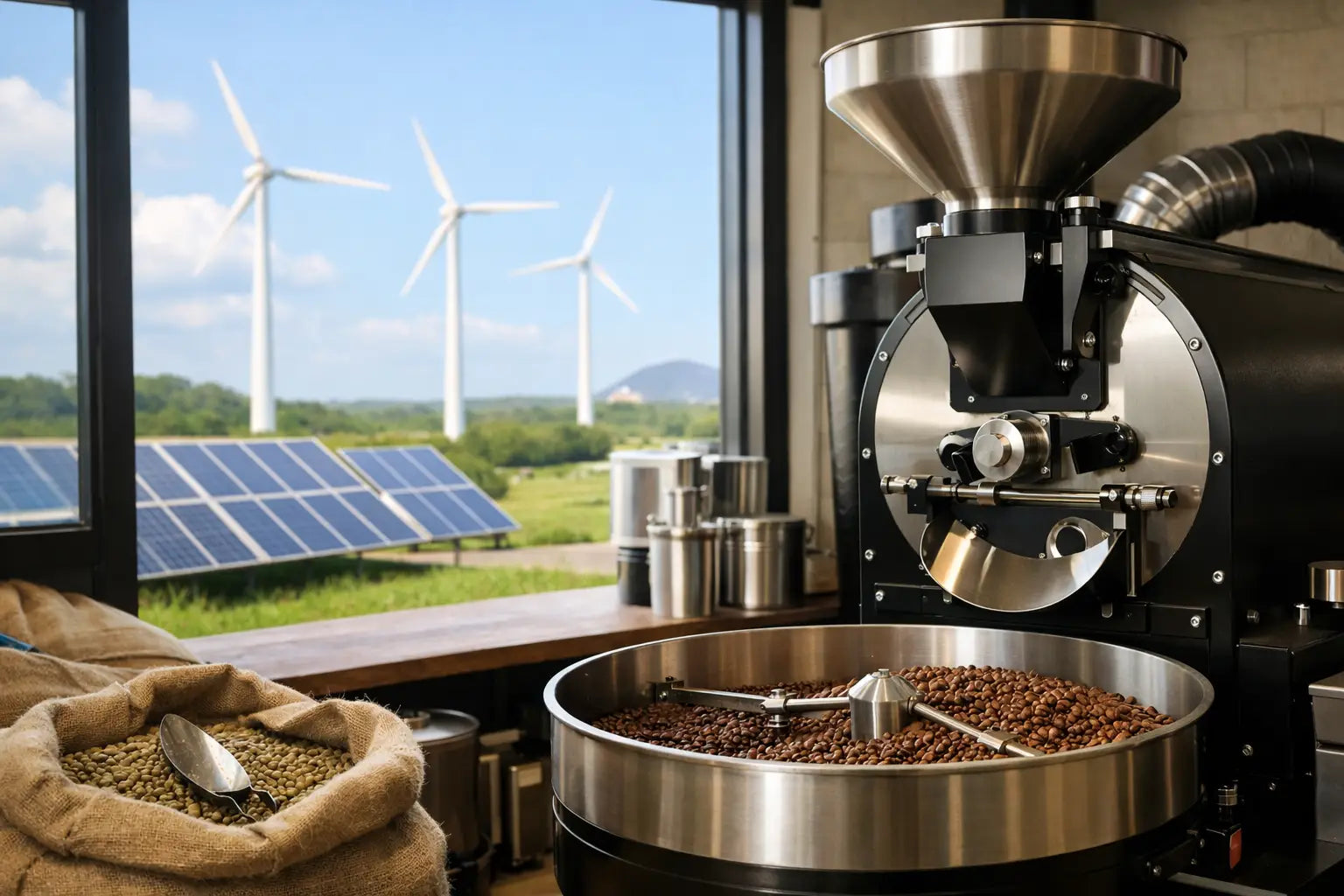
A great cup should not leave you choosing between flavor and responsibility. Renewable energy coffee roasters are proving that the same operation that protects the planet can also protect what matters in the cup: freshness, clarity, and a smooth finish without bitterness.
Coffee roasting takes serious heat. It is the moment when green coffee becomes the rich, aromatic coffee you know and love, but it is also where a roaster's energy choices become real. For coffee drinkers who care about organic ingredients, thoughtful sourcing, and how their purchases add up, renewable power is more than a nice label. It is part of what makes a better roast worth seeking out.
Why Roasting Energy Matters
Roasting is not a passive process. Machines must generate and control high heat, move air, power cooling systems, and keep production running consistently. Traditional roasting operations often rely on fossil-fuel-based electricity or gas to do that work. The coffee may be exceptional, but the energy behind it can carry a larger environmental cost than most people see from the grocery-store shelf.
Renewable energy changes the equation. Solar, wind, hydroelectric power, and other renewable sources can reduce dependence on finite fuels and lower the emissions tied to every batch. An off-grid system goes further by generating and managing its own power rather than relying on the conventional utility grid.
That is a meaningful commitment because it requires planning, equipment, and discipline. It is not a shortcut or a marketing sticker. A roaster has to build operations around energy availability while protecting the consistency customers expect from every bag.
Cleaner Power Does Not Mean Compromising the Cup
There is a fair question behind sustainable coffee: Does a cleaner operation change the flavor? Not by itself. Renewable energy is not a flavor note, and it cannot turn poor beans into great coffee. Bean quality, freshness, roast development, and brewing still determine what lands in your mug.
But energy independence can reinforce the habits that make quality possible. When a company is intentional about how it powers its roasting, it is more likely to be intentional about the rest of the process too: selecting certified organic beans, roasting in smaller batches, monitoring quality, and refusing to treat coffee as a commodity.
The best result is not coffee that tastes "green." It is coffee that tastes clean. Bright when it should be bright. Rich when it should be rich. Smooth enough to drink black, with no harsh, burnt aftertaste hiding behind cream and sugar.
Precision Heat Is the Real Test
Every roast profile depends on control. Coffee needs enough heat to develop sweetness and body, but too much heat, too fast, or too long can flatten delicate origin character and create bitterness. That is true whether the power source is renewable or conventional.
This is where precision fluid-bed roasting earns its place. Instead of allowing beans to sit against a hot metal surface, a stream of clean hot air lifts and circulates them in a coffee tornado. The beans roast evenly as they move through the air, helping reduce scorching and allowing the roaster to respond closely to the coffee as it develops.
For the person making coffee before work, the technical detail leads to a simple benefit: a fresher, smoother cup with pure flavor. That is the standard. Renewable power should support that standard, never distract from it.
What to Look for in Renewable Energy Coffee Roasters
Not every sustainability claim means the same thing. Some companies buy renewable-energy credits. Others use a utility plan that includes renewable generation. Some install solar panels to offset part of their power use. A smaller number operate with full off-grid energy independence.
Each approach can be a step in the right direction, but they are not interchangeable. If renewable power matters to you, look for plain-language specifics. Is the roasting facility powered directly by a renewable system? Is the business reducing reliance on the grid? Does it explain how its energy choices connect to its day-to-day production?
It also pays to look beyond energy alone. Responsible coffee is built from connected decisions: certified organic farming practices, careful sourcing, packaging choices, roast-to-order freshness, and a business model that does not encourage unnecessary waste. A roaster can make a strong environmental claim in one area while falling short elsewhere, so the fuller picture matters.
Here are four useful signals when choosing where to buy:
- Clear details about the source and use of renewable energy, not vague references to being eco-friendly.
- Organic certification that gives shoppers a verified standard for how coffee was grown.
- Small-batch or roast-to-order production that helps avoid the stale, overstocked coffee common in mass retail.
- A roasting method that explains how the company protects flavor, rather than using sustainability to excuse an average cup.
The Trade-Offs Are Worth Understanding
Renewable energy systems require investment. Solar arrays, battery storage, inverters, controls, maintenance, and energy management do not appear overnight. For a small family-owned coffee company, building an off-grid operation can demand more upfront effort than simply staying on conventional power.
Production also has to be managed intelligently. Weather, storage capacity, local conditions, and equipment needs all affect how an independent power system is designed. That does not make renewable roasting less dependable. It means dependable renewable roasting is built deliberately.
Consumers may see that investment reflected in the price of truly specialty coffee. But price should be considered alongside what you are receiving: certified organic beans, fresh roasting, careful quality control, a better flavor experience, and operations designed around lower-impact power. The cheapest bag is rarely the lowest-cost choice when it is stale, bitter, and produced with little transparency.
A Better Daily Coffee Routine Starts With Freshness
The strongest sustainability decision is often the one you can make again tomorrow. Choose coffee you genuinely want to drink, brew what you need, and store it well. Buy whole bean when possible, keep it in an airtight container away from heat and light, and grind shortly before brewing. Those small routines protect the work that happened before the bag reached your kitchen.
Then choose a roast that fits your taste. A bright medium roast can bring out crisp, lively notes for the morning. A balanced breakfast blend offers an easy, dependable daily cup. A deep French roast can deliver the bold, familiar richness some drinkers want after dinner. The right choice depends on your palate and brewing method, not a rule about which roast is supposedly best.
House of Franks Coffee brings these choices together with 100% USDA Certified Organic coffee, roast-to-order small batches, precision fluid-bed roasting, and full off-grid renewable-energy-powered operations. The point is not to make coffee complicated. It is to make every cup count.
Flavor Has a Footprint, and So Does Your Choice
Coffee is a daily ritual, which is exactly why the details matter. One bag will not solve every environmental challenge in the coffee supply chain. Renewable power does not replace responsible farming, fair business practices, or better packaging. It is one important part of a larger commitment.
Still, daily choices have a way of becoming standards. When more coffee drinkers expect real sourcing information, organic quality, fresh roasting, and cleaner energy, more companies have a reason to build their businesses around those expectations.
Your morning coffee can be bold, smooth, and better aligned with what you value. Look for the roaster willing to put the same care into the power behind the roast as the flavor inside the bag.