Cart
0
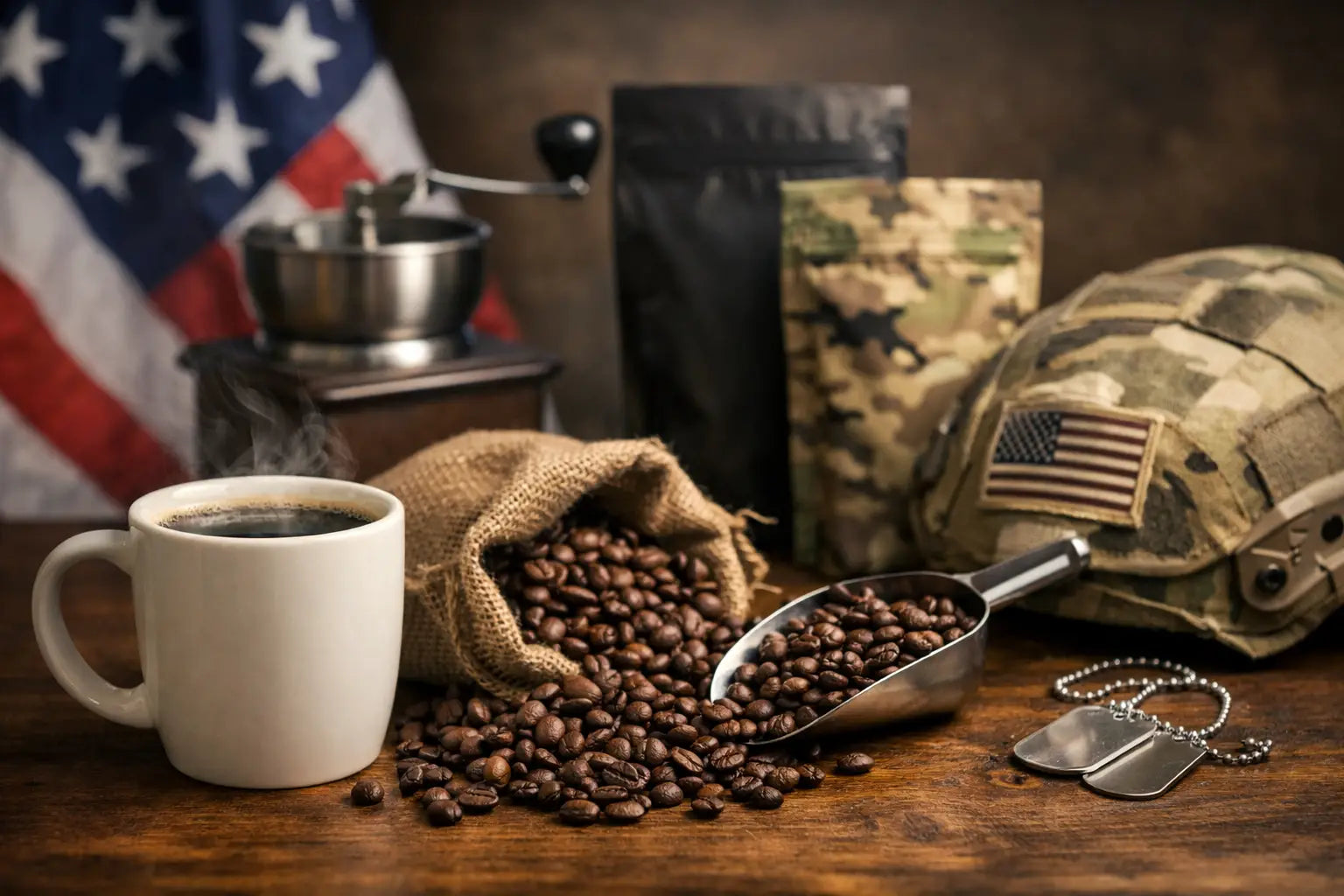
The best veteran owned coffee brands earn a place in your cabinet for more than the name on the bag. They earn it when the coffee smells alive when you open it, brews cleanly, and finishes smooth instead of leaving a harsh, burnt edge behind. Supporting a veteran-owned business can feel good. Starting your day with genuinely exceptional coffee feels even better.
That distinction matters. Coffee is full of big claims: bold, premium, craft, sustainable, small batch. Some signal real care; others are just packaging language. A great coffee company should be able to back up its mission with what reaches your mug - bean quality, roast freshness, clear sourcing, and a brewing experience that makes the next cup an easy decision.
What Veteran Owned Coffee Brands Should Deliver
Military service often builds habits that translate naturally to a quality-focused coffee business: discipline, consistency, responsibility, and an ability to keep standards high when no one is watching. But veteran ownership alone does not determine whether coffee tastes good. The beans, the roast, and the handling after roasting do.
Look for a company that treats the coffee itself as the mission. That means choosing quality green beans, roasting with intention, and shipping coffee while its flavor is still vibrant. Freshly roasted coffee has aromatic oils and layered notes that fade over time. A bag that has spent months in a warehouse may still make coffee, but it will rarely deliver the bright, rich cup people expect when they pay for specialty quality.
The strongest brands connect their values to tangible choices. They do not ask you to choose between purpose and flavor. They make a better cup because they care about how it is made.
A story is the start, not the finish
A veteran-owned label may tell you who built the company and what it stands for. It should not be used to cover up stale beans, vague sourcing, or an over-roasted product. The standard is simple: would you buy the coffee again if you knew nothing about the founder?
If the answer is yes, you have found something worth supporting. If the coffee is smooth, clean, dependable, and fairly priced for its quality, the ownership story becomes more meaningful because it is attached to a product that delivers every morning.
Freshness Changes the Cup
Coffee is not a shelf-stable flavor product in the way many grocery-store brands make it seem. Whole beans retain their character longer than ground coffee, but all roasted coffee gradually loses aromatics after roasting. That is why roast-to-order or small-batch roasting matters.
A careful roaster avoids producing enormous volumes that sit waiting for a buyer. Instead, coffee is roasted in smaller runs and moved quickly toward the customer. The result is not merely a fresher date on the bag. It is more aroma at the grinder, more character in the brew, and a cup that tastes like coffee rather than flat heat and bitterness.
For daily drinkers, this is one of the most practical upgrades available. You do not need a complicated espresso setup to notice it. A fresh medium roast in an ordinary drip brewer can taste fuller and cleaner than an old bag marketed as dark, intense, or extra bold.
Organic Sourcing Is a Better Standard
Organic coffee is not automatically better tasting, and non-organic coffee is not automatically poor quality. Still, 100% USDA Certified Organic coffee gives buyers a meaningful sourcing standard. It reflects farming practices designed to reduce reliance on certain synthetic inputs and provides a clear certification benchmark instead of a loose natural-sounding claim.
For people who drink coffee every day, that standard can matter. Coffee is part of the morning routine, the workday reset, the shared pot in the office, and the after-dinner conversation. Choosing organic means your regular habit can better reflect your expectations for what goes into your home.
It also pairs naturally with environmental responsibility. Sustainable operations should extend beyond the bean whenever possible. Renewable energy, responsible packaging decisions, and an effort to reduce waste are not magic fixes, but they are signs a company is thinking beyond the sale in front of it.
Why the Roast Method Matters
Most coffee problems blamed on the bean are really roast problems. When coffee is scorched, roasted unevenly, or pushed too far in the name of boldness, bitterness takes over. Dark coffee can be rich and satisfying, but dark should not mean burnt.
Precision fluid-bed roasting offers a different path. Picture a coffee tornado: clean hot air lifts and circulates the beans so they move continuously while they roast. That airflow helps produce an even roast and carries away chaff, the papery outer layer released during roasting. The goal is a cup with pure flavor - bright where it should be bright, rich where it should be rich, and clean from the first sip to the finish.
This is where technical craft becomes something every drinker can understand. You should not need to know roast curves or airflow settings to enjoy coffee. You should simply notice less bitterness and more of the flavor that belongs to the bean.
House of Franks Coffee puts that approach to work with small-batch, roast-to-order coffee and precision fluid-bed roasting powered by a fully off-grid, renewable-energy operation. That combination is purposeful: 100% organic beans, careful roasting, and a cleaner way to power the work behind the cup.
Choose Coffee for How You Actually Brew
The right roast depends partly on taste and partly on your brewing routine. A coffee that shines in a pour-over may not be your favorite in a pod brewer, and a French roast that tastes excellent with cream may feel too heavy black. There is no universal best roast. There is only the coffee that makes your preferred cup better.
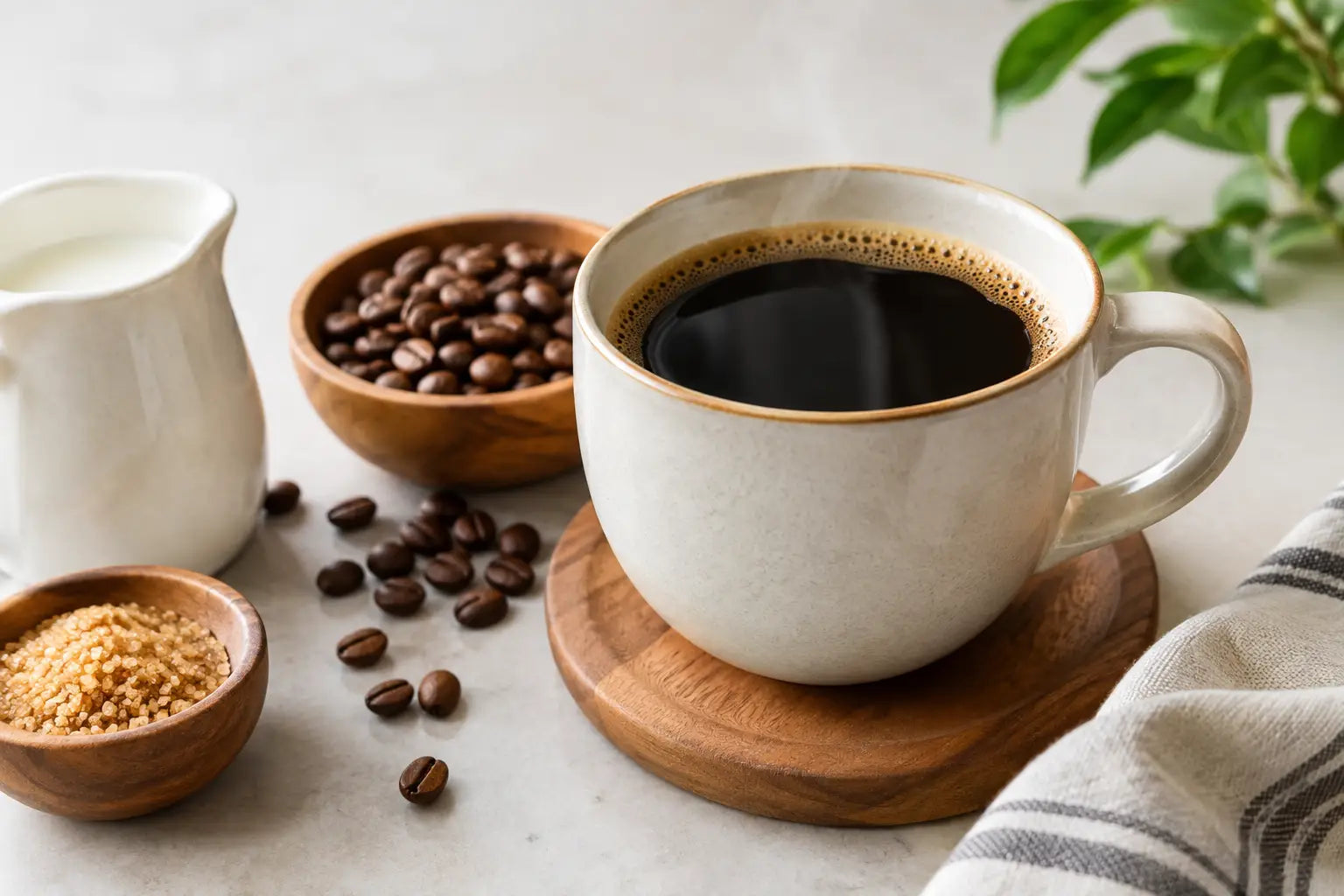
A medium roast is often the easiest place to start. It tends to balance body, sweetness, and origin character, making it useful for drip machines, pour-overs, and everyday black coffee. Breakfast blends can offer an approachable, lively profile for early mornings, while a French roast delivers deeper body and a more traditional dark-roast experience.
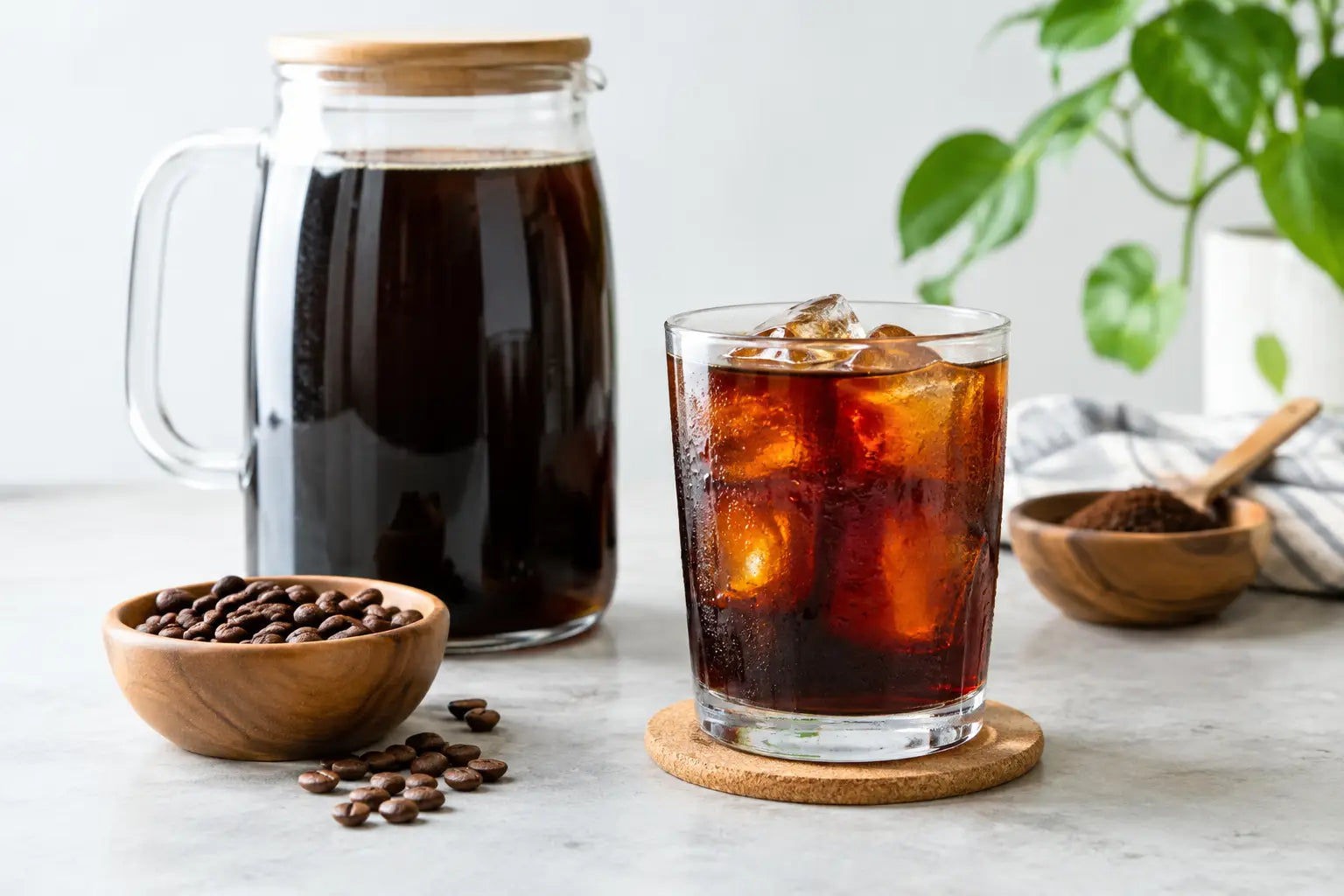
Convenience matters, too. Whole bean coffee gives you the greatest control and usually the best aromatic payoff if you own a grinder. Ground coffee saves time. Coffee pods can be the smart choice for busy households, offices, or anyone who wants consistency without measuring. Cold brew is ideal when you want a smooth, low-acid-style refreshment without turning on the kettle. The best format is the one you will actually use while the coffee is fresh.
Questions Worth Asking Before You Buy
You do not need to interrogate every coffee bag. A few direct questions can separate meaningful quality from vague marketing:
- Is the coffee roasted in small batches or made to order?
- Does the company clearly identify organic certification or sourcing practices?
- Is there a roast date or a clear commitment to freshness?
- Does the roaster explain how its process protects flavor and reduces bitterness?
- Are there options for the way you brew, from beans and grounds to pods or cold brew?
- Does the company’s environmental message include real operating choices, not only broad promises?
Make Your Next Bag Count
Buying from a veteran-owned company is a meaningful choice when the business pairs service-driven values with a product made to a higher standard. Look past the logo and taste the evidence: fresh roast aroma, clean flavor, dependable quality, and sourcing you can feel good about.
Start with a roast that fits your routine, brew it with clean water, and give it a few cups before making a judgment. The right coffee should make the morning feel less like a compromise and more like a standard worth keeping.