Cart
0
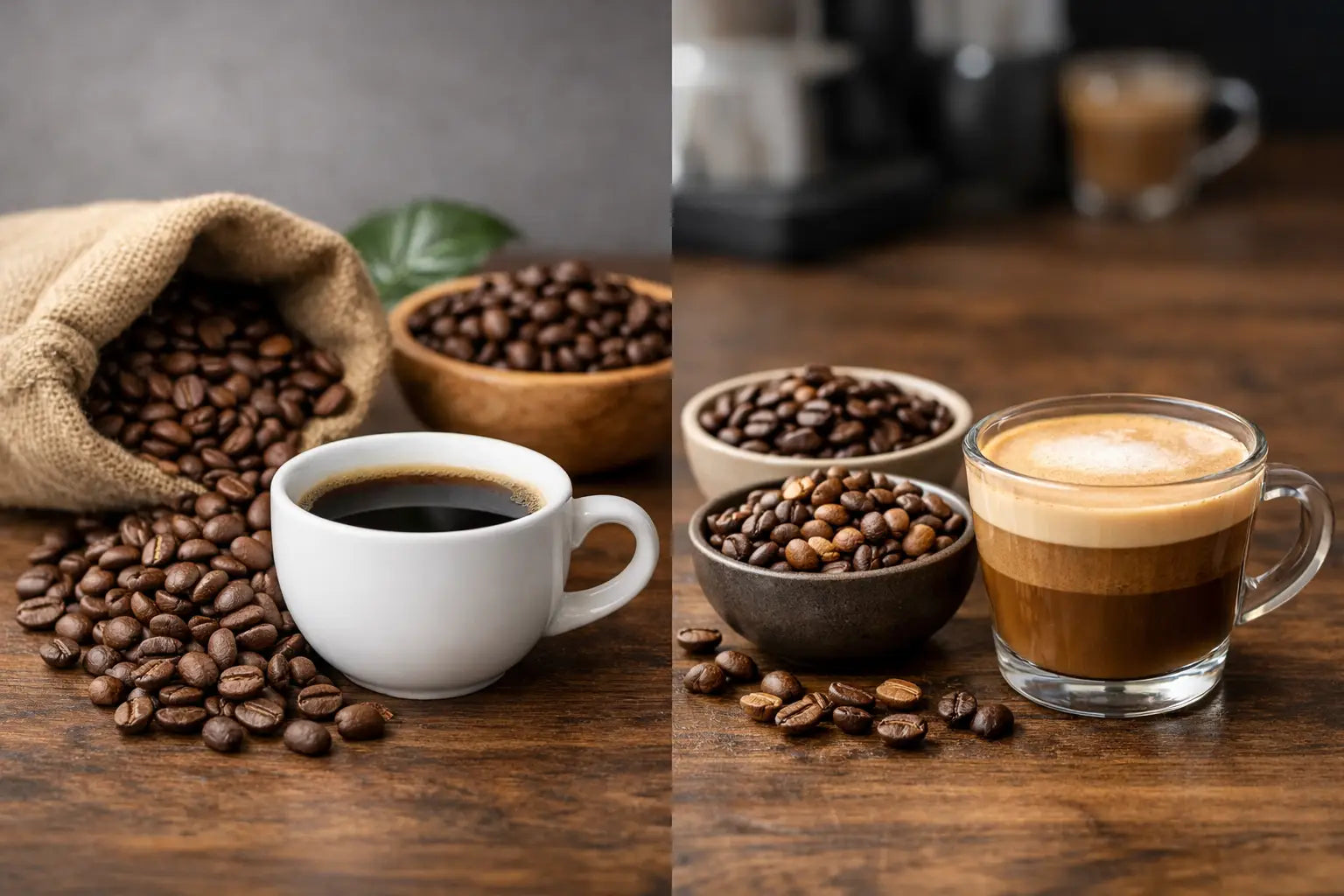
The difference between a memorable cup and a merely acceptable one often starts long before the brewer. It starts with a choice: do you want to taste one place in the world, or enjoy a carefully built flavor profile that delivers every morning? In the single origin vs blend coffee conversation, there is no automatic winner. There is only the coffee that fits your palate, your routine, and the way you like to brew.
For coffee drinkers tired of stale, bitter grocery-store coffee, both options can be a major upgrade when the beans are organic, freshly roasted, and handled with care. The key is knowing what each one is designed to do.
Single Origin vs Blend Coffee: The Real Difference
A single-origin coffee comes from one defined place. Depending on the producer and roaster, that may mean one country, region, cooperative, farm, or even a particular lot from a farm. Its purpose is clarity. You are tasting the character that growing region, altitude, soil, climate, processing method, and harvest brought to the bean.
A coffee from Ethiopia might offer bright citrus, tea-like florals, or ripe berry notes. A washed coffee from Central America may lean toward crisp apple, cocoa, and caramel. A coffee from Indonesia can bring deeper earthiness, spice, and a fuller body. Those are not guarantees, because every harvest is different, but they show why single origins can make a daily cup feel more specific and more alive.
A blend combines coffees selected to create a balanced, intentional result. Rather than highlighting one origin's signature, a roaster builds a profile. One coffee might supply chocolate depth, another may bring sweetness, and a third may add brightness or body. Done well, the final cup tastes complete rather than complicated.
That distinction matters: single origins show their individual character, while blends are designed around harmony. Neither approach is more “real” or more premium. Great coffee depends on green-bean quality, freshness, roast control, and whether the final flavor makes you want another cup.
Why Choose a Single-Origin Coffee?
Choose a single origin when curiosity is part of the ritual. It is the right lane for someone who wants to notice how coffees differ from one origin to the next, or who enjoys a cup with a distinctive fruit, floral, nutty, or cocoa-forward personality.
Single origins also make coffee feel seasonal. Harvests change, and a particular lot may only be available for a limited time. That variation is part of the appeal. You may find a coffee you absolutely love, then discover that the next arrival has a slightly different balance of sweetness and acidity. For many coffee enthusiasts, that is not a flaw. It is proof that coffee is an agricultural product, not a factory formula.
They are especially rewarding when brewed in ways that leave room for detail. Pour-over, drip coffee makers, and well-dialed-in automatic brewers can reveal a single origin's layered flavor. If you drink coffee black and enjoy noticing what is in the cup, a single origin gives you plenty to explore.
There is a trade-off. The more distinctive a coffee is, the more noticeable its variables can be. A bright, lightly roasted coffee may be fantastic in a pour-over but taste sharp if brewed too hot, ground too fine, or paired with a lot of milk. That does not make it difficult coffee. It simply asks for a little attention.
Why Blends Earn Their Place Every Morning
A great blend is not a way to hide lesser coffee. It is a roast team's recipe, built with purpose. For many households, it is the most practical path to a consistently smooth, satisfying cup.
Blends can be designed for familiar comfort: rich body, balanced sweetness, a clean finish, and enough structure to hold up with cream or milk. They can also be tailored for certain brew methods. An espresso blend, for example, may be built to stay sweet and full-bodied under pressure, while a breakfast blend may aim for a lively, easy-drinking cup that works beautifully in a standard drip brewer.
Consistency is the major advantage. Coffee crops naturally vary by season and availability. A thoughtful roaster can adjust components as needed while protecting the flavor experience customers count on. Your favorite blend may not use the exact same coffees every time, but it should deliver the same promise: a balanced, recognizable cup without unpleasant surprises.
That makes blends an excellent choice for busy mornings, shared households, offices, and anyone who wants good coffee without turning every brew into a tasting exercise. If your ideal cup is smooth, rich, and reliably free of bitterness, a well-built blend belongs in your rotation.
Roast Matters as Much as Origin
Origin and blending tell only part of the story. Even exceptional organic beans can taste flat, smoky, or harsh when roasted without precision. A roast that goes too far can cover up a coffee's natural sweetness with burnt flavors. A roast that is too underdeveloped can leave the cup grassy, sour, or thin.
That is why the roasting method matters. Precision fluid-bed roasting uses a controlled coffee tornado of clean hot air to keep beans moving evenly as they roast. This helps reduce scorching and supports an even development from bean to bean. The goal is simple: clear flavor, smoothness, and a clean finish instead of bitterness.
For a single origin, that precision protects the character that makes the coffee worth tasting in the first place. For a blend, it lets each component contribute its intended role without one roast note taking over the whole cup. Fresh roast-to-order coffee then carries more aroma and flavor into your kitchen than coffee that has been sitting on a store shelf for months.
How to Choose for Your Brewing Style
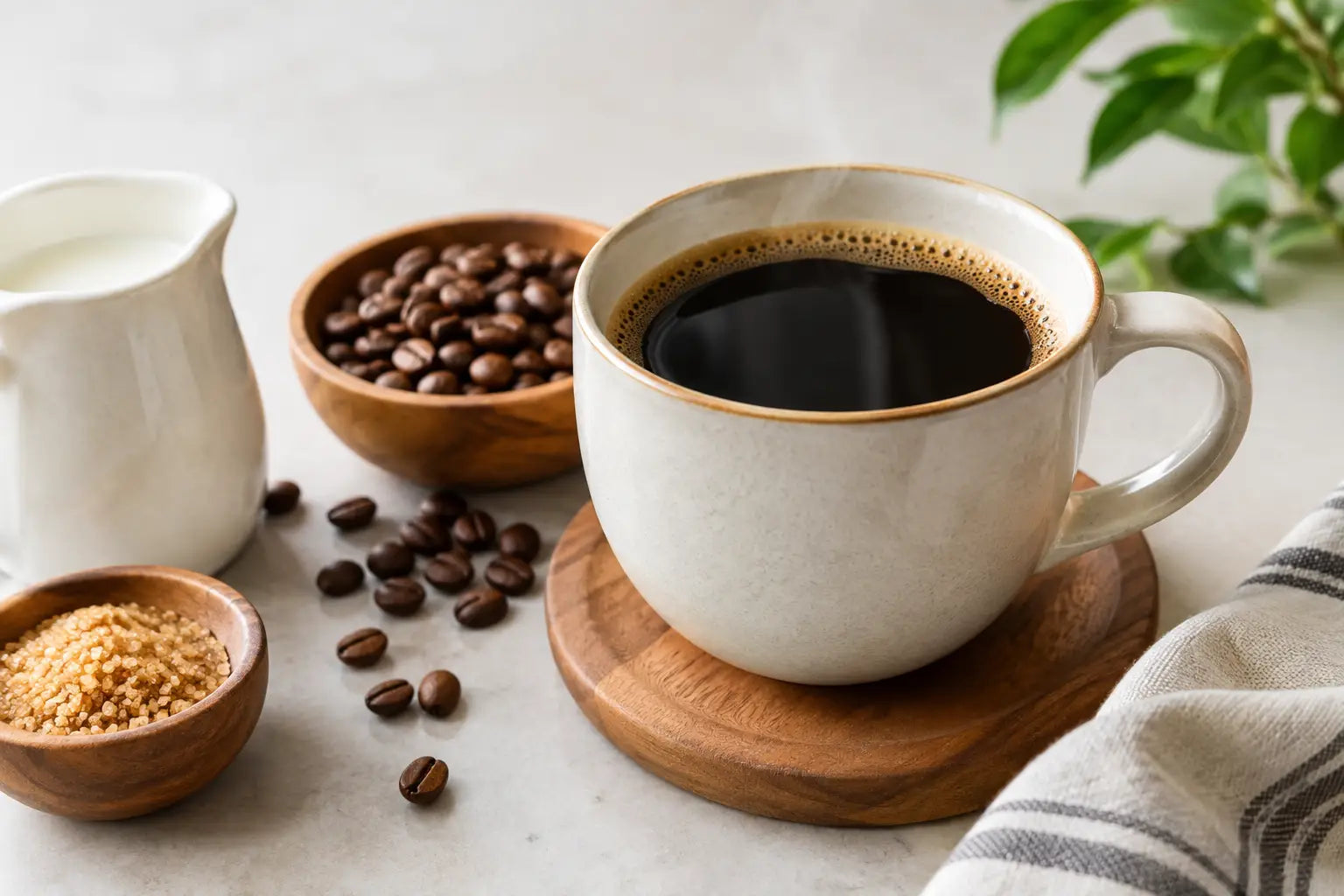
Your brewer can make the choice easier. A drip machine is flexible enough for either option, but a balanced medium roast blend is often the safest all-purpose choice for a household with different preferences. It delivers a dependable cup whether it is served black, with cream, or poured into a travel mug.
For pour-over, French press, or a manual brewer, single origins offer a chance to slow down and taste the details. A French press can emphasize body and sweetness, while a pour-over can bring out a coffee's brightness and aroma. Start with a medium grind, clean filtered water, and a coffee-to-water ratio that fits your brewer, then make small adjustments from there.
Espresso is another case where it depends. A single origin can make an exciting, expressive shot, but it may take more dialing in. A blend is often more forgiving and can provide the chocolatey, caramel-like body that stands up beautifully in lattes and cappuccinos.
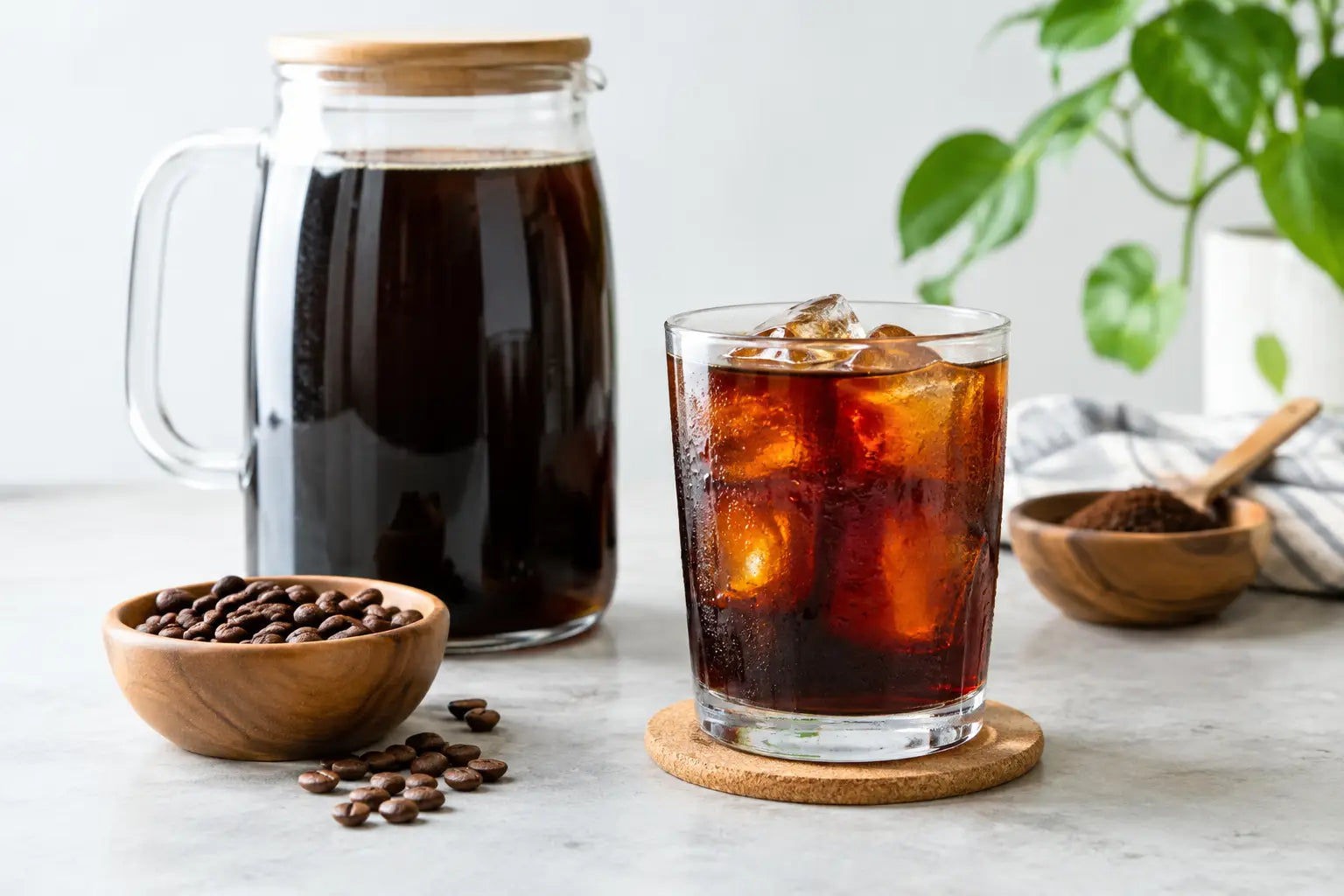
Cold brew favors smoothness and low perceived acidity, which can come from either category. Many drinkers prefer a deeper, more chocolate-forward blend for its round body, while others enjoy the surprise of a single origin that turns especially sweet when brewed cold.
A Simple Way to Find Your Favorite
If you are unsure where to begin, choose based on what you want from the moment. Reach for a blend when you want reliable comfort, a fuller cup, or coffee that works for everyone at the table. Reach for a single origin when you want to taste something new, drink your coffee black, or turn an ordinary morning into a small discovery.
There is no need to commit to one camp. Keep a dependable blend for weekday brewing and bring in a single origin when you want variety. That approach gives you consistency without sacrificing curiosity.
At House of Franks Coffee, the standard is not simply whether a coffee is a blend or a single origin. It is whether the organic beans are freshly roasted with care and whether the cup delivers bright, smooth, pure flavor with no bitterness. A better roast makes either choice worth drinking.
Your best coffee is the one that meets you where you are: a reliable, rich cup before a full day, or a distinctive brew that reminds you coffee can still surprise you. Start with the flavor you crave, brew it fresh, and let your next cup tell you what to try after that.